
Warsaw Grand Theatre - Polish National Opera (Teatr Wielki) tickets 25 February 2027 - The Best City in the World: An Opera About Warsaw | GoComGo.com

The Best City in the World: An Opera About Warsaw

Warsaw Grand Theatre - Polish National Opera (Teatr Wielki), Moniuszko Auditorium, Warsaw, Poland
All photos (10)
Select date and time
7 PM

E-tickets: Print at home or at the box office of the event if so specified. You will find more information in your booking confirmation email.

You can only select the category, and not the exact seats.
If you order 2 or 3 tickets: your seats will be next to each other.
If you order 4 or more tickets: your seats will be next to each other, or, if this is not possible, we will provide a combination of groups of seats (at least in pairs, for example 2+2 or 2+3).

Important Info
Type: Opera
City: Warsaw, Poland
Starts at: 19:00
Acts: 2
Intervals: 1
Duration: 2h 25min
Sung in: Polish
Titles in: English,Polish

E-tickets: Print at home or at the box office of the event if so specified. You will find more information in your booking confirmation email.

You can only select the category, and not the exact seats.
If you order 2 or 3 tickets: your seats will be next to each other.
If you order 4 or more tickets: your seats will be next to each other, or, if this is not possible, we will provide a combination of groups of seats (at least in pairs, for example 2+2 or 2+3).

Cast
Performers
Conductor: Piotr Bywalec
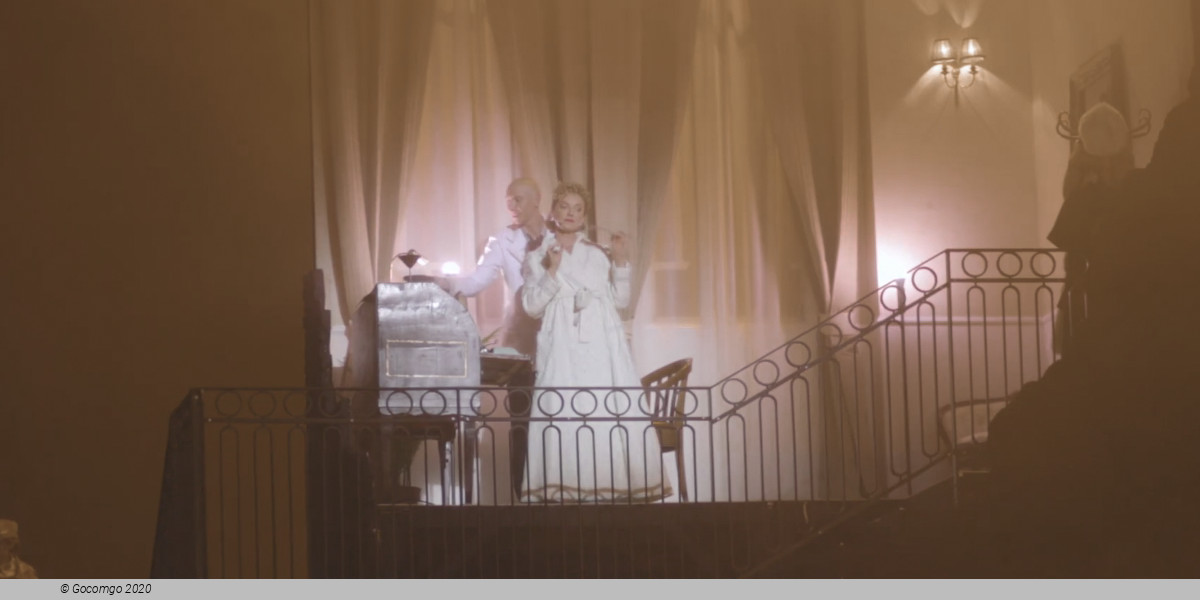
Soprano: Agata Zubel (Architect)
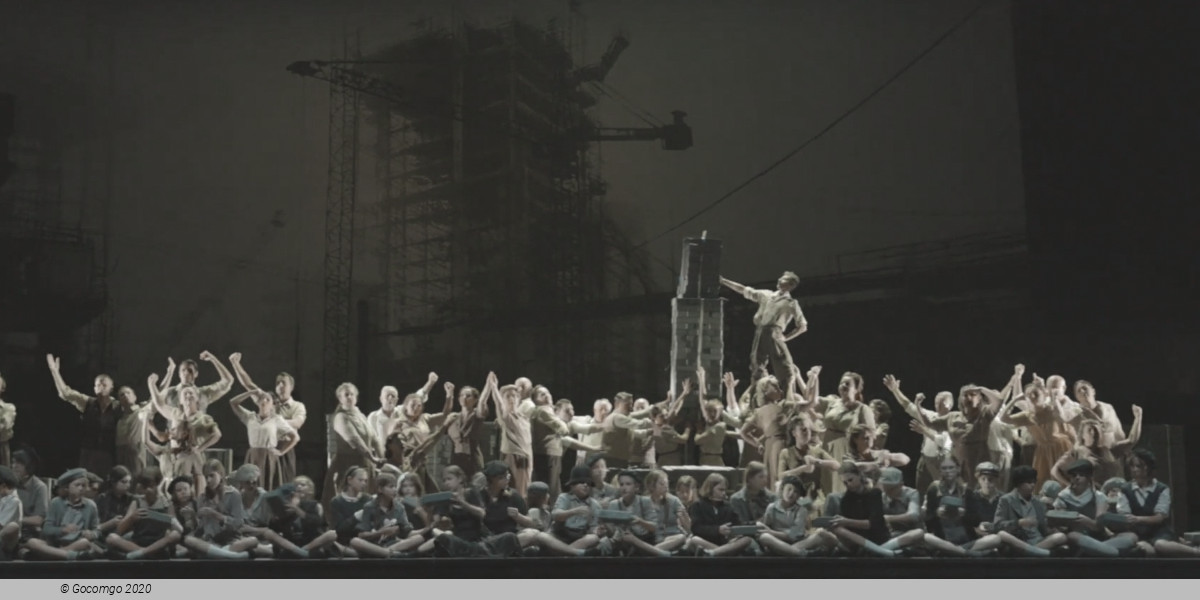
Chorus: Chorus of the Teatr Wielki – Polish National Opera
Soprano: Joanna Freszel (Journalist)
Orchestra: Sinfonia Varsovia
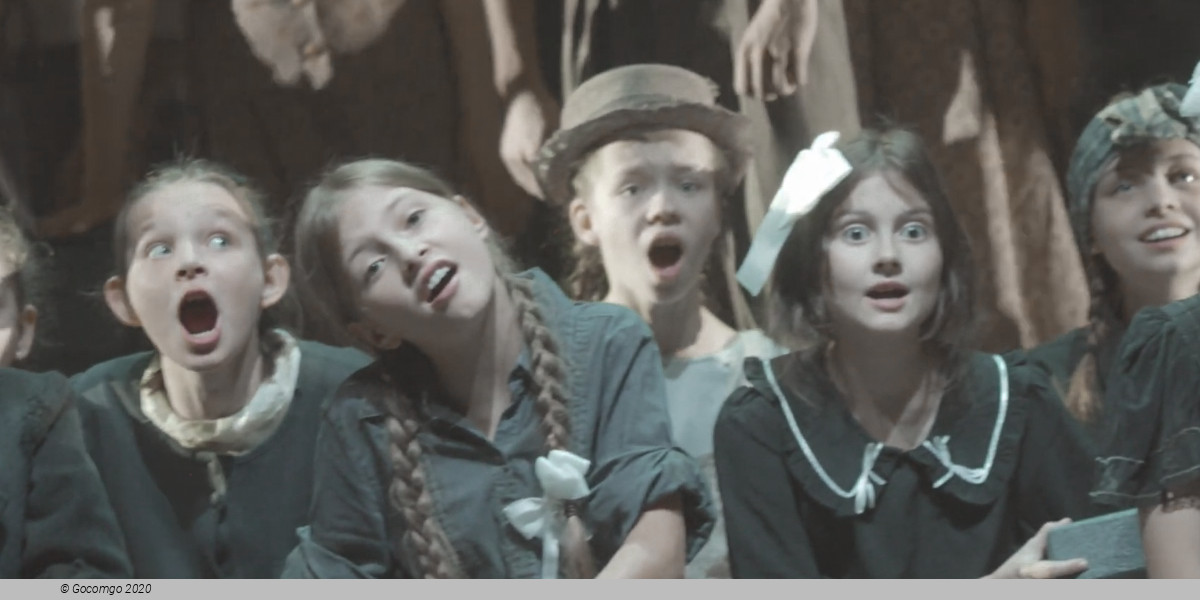
Choir: Władysław Skoraczewski Artos Children’s Choir
Creators
Composer: Cezary Duchnowski
Director: Barbara Wiśniewska
Librettist: Beniamin M. Bukowski
Author: Grzegorz Piątek
Opera Company: Polish National Opera
Overview

The post-war reconstruction of the Teatr Wielki took twenty years to complete. The opera house’s reopening in 1965 was a momentous event that demonstrated the scale of wartime damage and the residents' determination to rebuild the city from the ashes. In 2025 the Polish National Opera will give a debut to an opera that tells the story of Warsaw’s reconstruction, marking eighty years since the arduous process began.
 

The source of inspiration for the opera was Grzegorz Piątek’s book Najlepsze miasto świata. Warszawa w odbudowie 1944–1949 [The Best City in the World: Warsaw Under Reconstruction 1944–1949], which looks into the first years of the mammoth endeavour which brought together people of various viewpoints in a gesture of defiance against wartime destruction.

Beniamin Bukowski wrote the libretto tapping into archival sources: political discourse, urban design parlance, and street vernacular. This is not, however, a historical chronicle but a tale of interwoven human lots.  

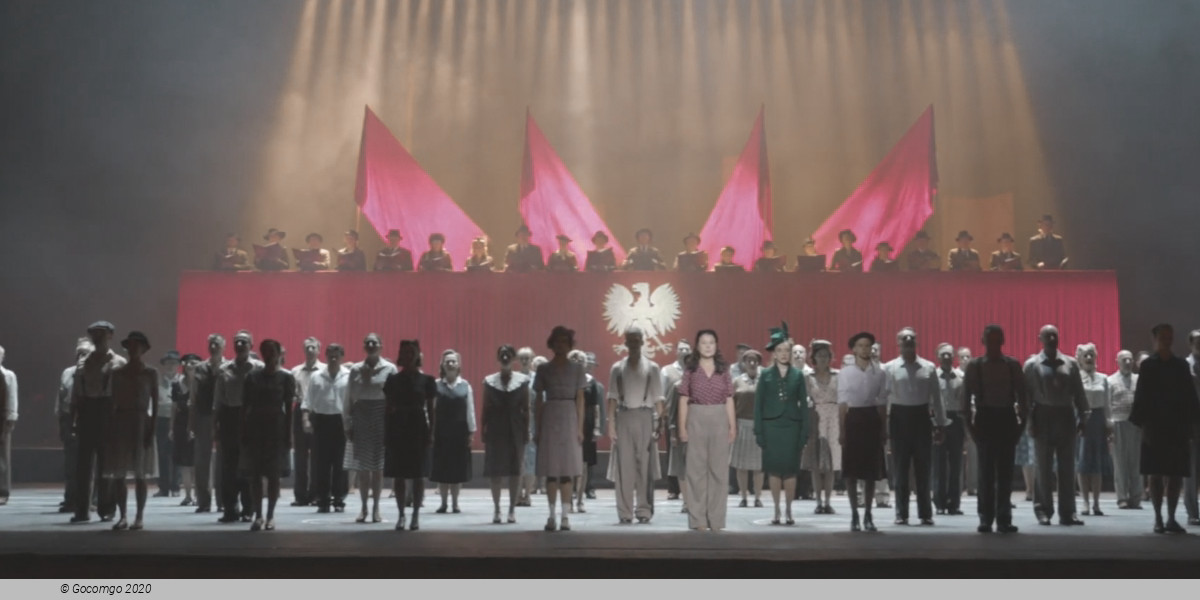
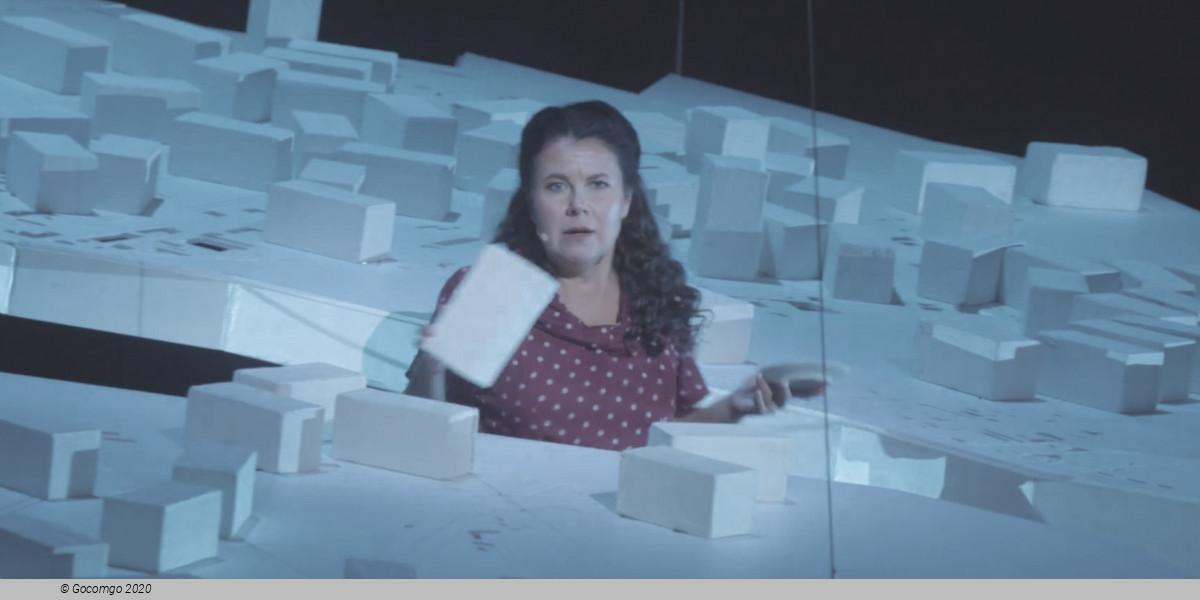
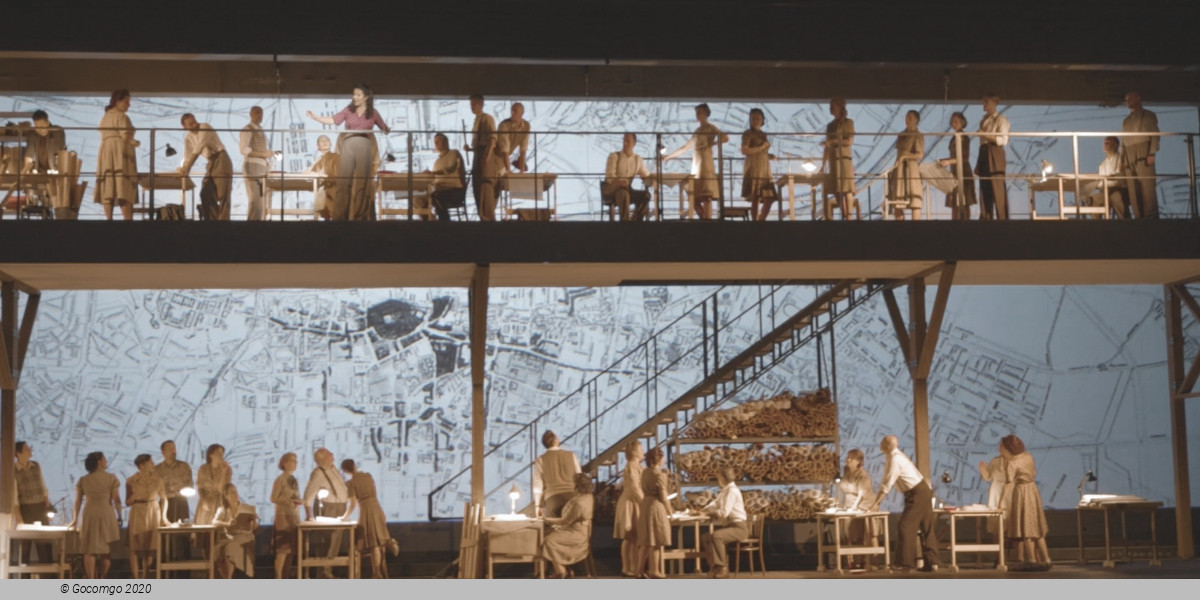
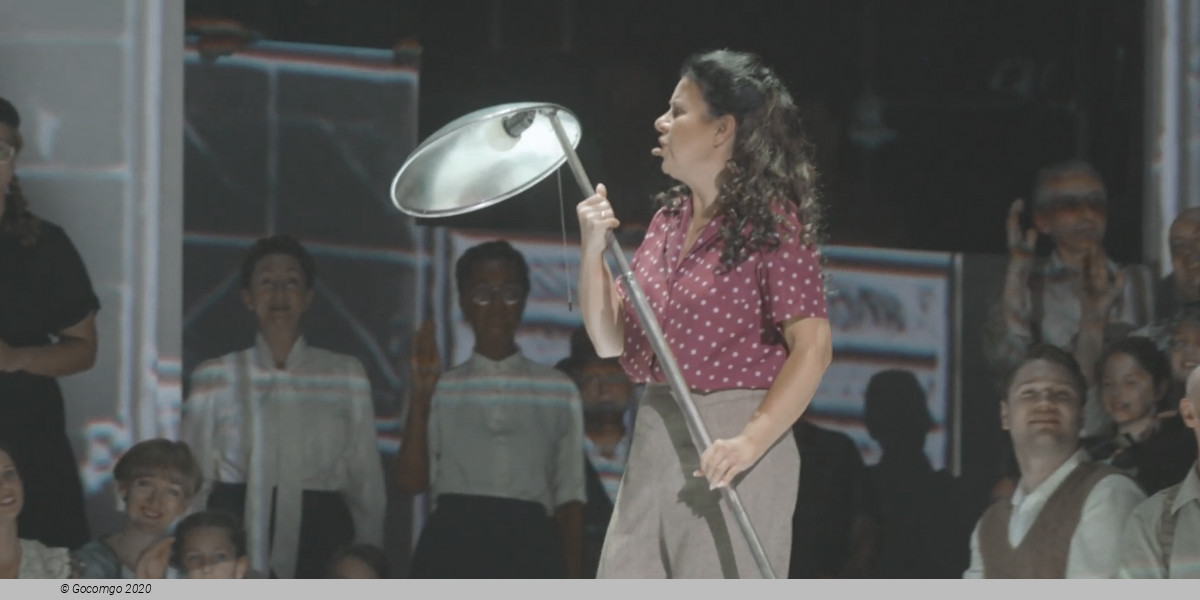
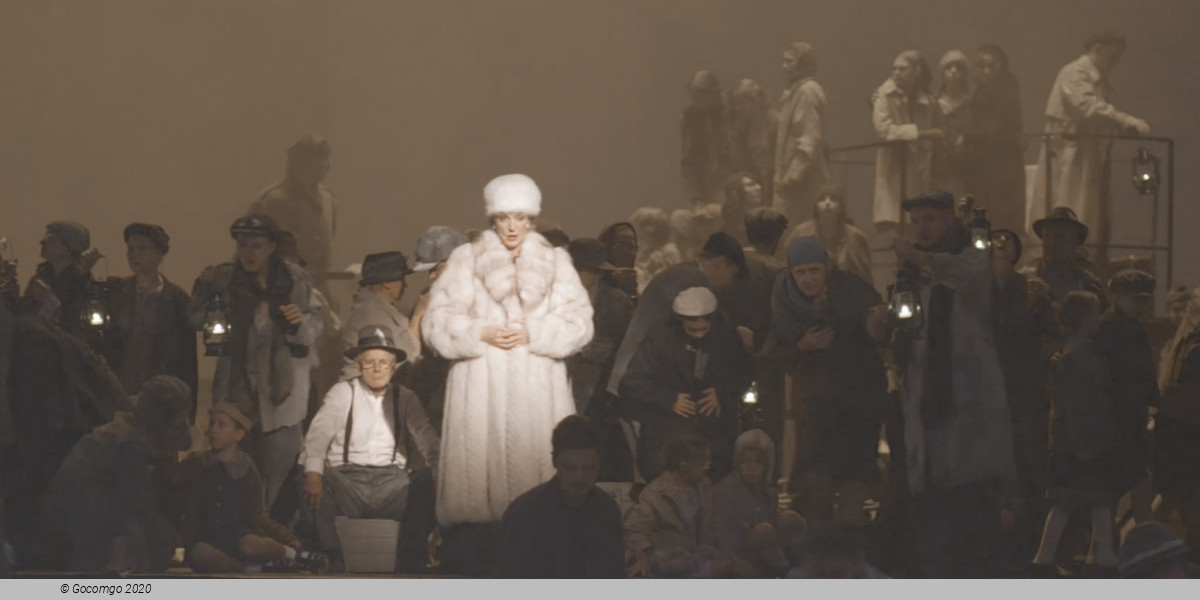
The opera’s two protagonists are women. One is a modernist architect modelled on Helena Syrkus, whose pre-war dream of redesigning the city to make it more functional has turned into gruesome reality. The other one is an American journalist inspired by Anne Louise Strong, a US reporter fascinated by Communism who travelled across worn-torn Poland with the Red Army. Their meeting will force the women to completely shift their perspectives.  

Composed by Cezary Duchnowski, the score combines orchestral sound with electronic music. The juxtaposition of solo parts and choruses makes it possible to shift the perspective on the city’s ordeal from general to personal. For the Warsaw-born director Barbara Wiśniewska the opera has a personal meaning as a reflection of her family history. At the same time, Wisniewska is interested in the broader social significance of the city’s destruction and reconstruction: a generational trauma that was successfully transformed into a joint endeavour of unparalleled scale.

An Opera about Warsaw is not just an account of the tragic and glorious chapters in the city’s history but a very modern piece about the life of a metropolis suspended between the vision of urban planners and architects, political ideologies, and the needs and dreams of its residents.

History
Premiere of this production: 19 September 2025, Polish National Opera, Teatr Wielki

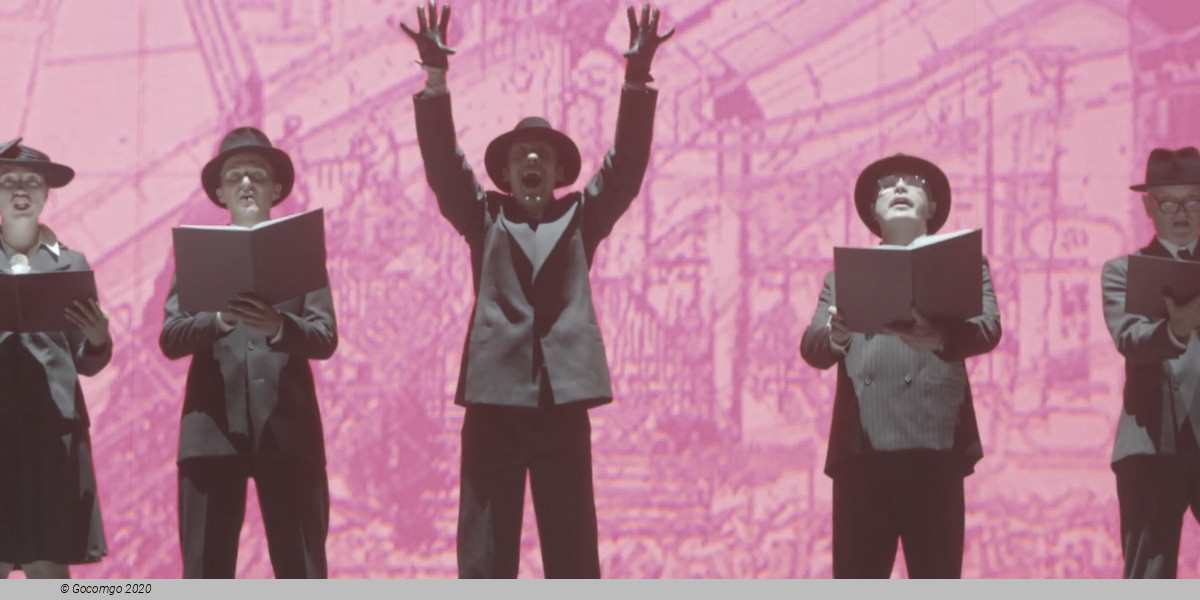
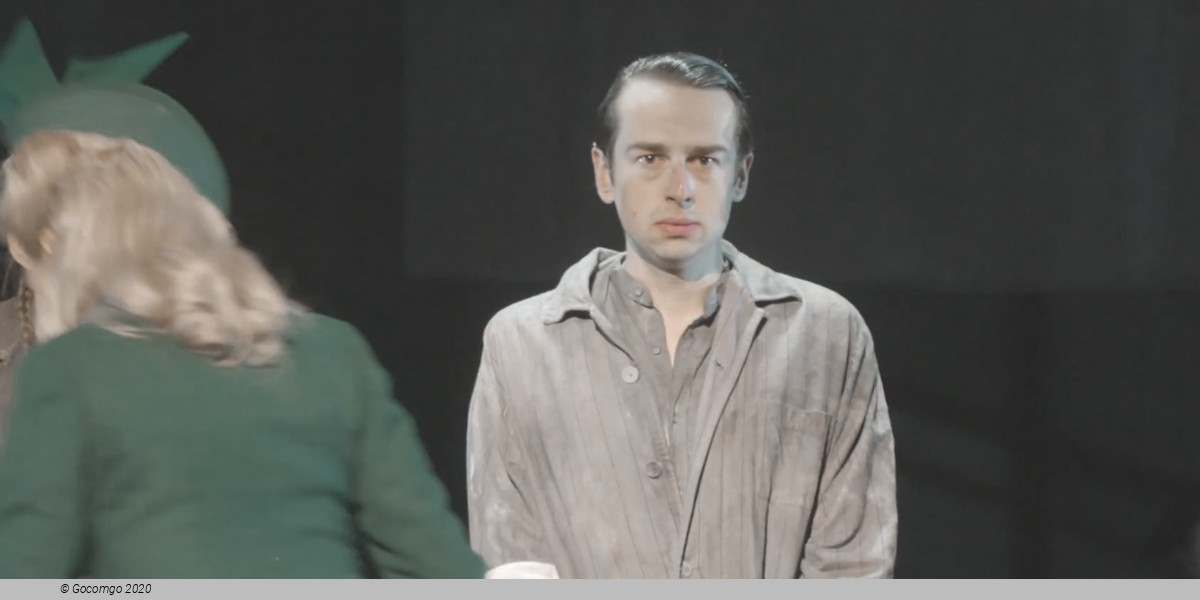
The Best City in the World: An Opera About Warsaw is a powerful contemporary opera by Cezary Duchnowski that tells the story of Warsaw’s extraordinary reconstruction after World War II. Through the intertwined journeys of an architect and an American journalist, the opera explores hope, resilience, and the human spirit, blending symphonic music, electronics, chorus, and compelling stage imagery into a moving tribute to a city reborn from the ashes.

Venue Info

Warsaw Grand Theatre - Polish National Opera (Teatr Wielki) - Warsaw
Location   plac Teatralny 1

The Grand Theatre in Warsaw is a theatre and opera complex situated on the historic Theatre Square in central Warsaw. The Warsaw Grand Theatre is home to the Polish National Ballet and is one of the largest theatrical venues in the world.

The Theatre was built on Theatre Square between 1825 and 1833, replacing the former building of Marywil, from Polish classicist designs by the Italian architect Antonio Corazzi of Livorno, to provide a new performance venue for existing opera, ballet and drama companies active in Warsaw. The building was remodeled several times and, in the period of Poland's political eclipse from 1795 to 1918, it performed an important cultural and political role in producing many works by Polish composers and choreographers.

It was in the new theatre that Stanisław Moniuszko's two best-known operas received their premieres: the complete version of Halka (1858), and The Haunted Manor (1865). After Frédéric Chopin, Moniuszko was the greatest figure in 19th-century Polish music, for in addition to producing his own works, he was director of the Warsaw Opera from 1858 until his death in 1872.

While director of the Grand Theatre, Moniuszko composed The Countess, Verbum Nobile, The Haunted Manor and Paria, and many songs that make up 12 Polish Songbooks.

Also, under Moniuszko's direction, the wooden Summer Theatre was built close by in the Saxon Garden. Summer performances were given annually, from the repertories of the Grand and Variety (Rozmaitości) theatres. Józef Szczublewski writes that during this time, even though the country had been partitioned out of political existence by its neighbors, the theatre flourished: "the ballet roused the admiration of foreign visitors; there was no equal troupe of comedians to be found between Warsaw and Paris, and Modrzejewska was an inspiration to drama."

The theatre presented operas by Władysław Żeleński, Ignacy Jan Paderewski, Karol Szymanowski and other Polish composers, as well as ballet productions designed by such choreographers as Roman Turczynowicz, Piotr Zajlich and Feliks Parnell. At the same time, the repertoire included major world opera and ballet classics, performed by the most prominent Polish and foreign singers and dancers. It was also here that the Italian choreographer Virgilius Calori produced Pan Twardowski (1874), which (in the musical arrangement first of Adolf Sonnenfeld and then of Ludomir Różycki) has for years been part of the ballet company's repertoire.

During the 1939 battle of Warsaw, the Grand Theatre was bombed and almost completely destroyed, with only the classical façade surviving. During the Warsaw Uprising of 1944 the Germans shot civilians in the burnt-out ruins. The plaque to the right of the main entrance commemorates the suffering and heroism of the victims of fascism.

Important Info
Type: Opera
City: Warsaw, Poland
Starts at: 19:00
Acts: 2
Intervals: 1
Duration: 2h 25min
Sung in: Polish
Titles in: English,Polish
Top of page