
Warsaw Grand Theatre - Polish National Opera (Teatr Wielki) tickets 8 December 2026 - Salome | GoComGo.com

Salome

Warsaw Grand Theatre - Polish National Opera (Teatr Wielki), Moniuszko Auditorium, Warsaw, Poland
All photos (11)
Select date and time
7 PM

E-tickets: Print at home or at the box office of the event if so specified. You will find more information in your booking confirmation email.

You can only select the category, and not the exact seats.
If you order 2 or 3 tickets: your seats will be next to each other.
If you order 4 or more tickets: your seats will be next to each other, or, if this is not possible, we will provide a combination of groups of seats (at least in pairs, for example 2+2 or 2+3).

Important Info
Type: Opera
City: Warsaw, Poland
Starts at: 19:00
Sung in: German
Titles in: English,Polish

E-tickets: Print at home or at the box office of the event if so specified. You will find more information in your booking confirmation email.

You can only select the category, and not the exact seats.
If you order 2 or 3 tickets: your seats will be next to each other.
If you order 4 or more tickets: your seats will be next to each other, or, if this is not possible, we will provide a combination of groups of seats (at least in pairs, for example 2+2 or 2+3).

Cast
Performers
Conductor: Yoel Gamzou
Tenor: Gerhard Siegel (Herodes)
Mezzo-Soprano: Magdalena Pluta (The Page of Herodias)
Soprano: Monika Radecka (Salome)
Tenor: Musliu Granite (Narraboth)
Soprano: Nadine Lehner (Herodias)
Bass-Baritone: Tomasz Konieczny (Jochanaan (John the Baptist))
Creators
Composer: Richard Strauss
Director: Claus Guth
Librettist: Hedwig Lachmann
Poet: Oscar Wilde
Opera Company: Polish National Opera
Overview

Co-production: Teatro Real, Madrid

The Dresden premiere of Richard Strauss’s Salome in 1905 was a shock to the public. As the basis for the libretto, the composer used Oscar Wilde’s play, which had already been banned in a few countries. The playwright drew inspiration from a brief biblical passage about Herod’s step-daughter. Wilde not only gave her a name but made her a fully-fledged character. Salome's appeal is irresistible to the entire court, including her stepfather. There is, however, one person who remains unmoved by her charms: the prophet Jochanaan, who is being held captive by Herod. Salome does not give up. When she fails to win Jochanaan’s favour, she resolves to achieve her goal by other means. Through the Dance of the Seven Veils, she manages to persuade Herod to grant her wish: the prophet’s head, served on a platter. She triumphs, kissing Jochanaan's dead lips, yet she will have to pay the ultimate price for her victory.  

The audience was shocked both by the protagonist’s murderous instincts and the opera’s score. Strauss composed a condensed yet monumental one-act piece for a large orchestra, full of dissonance and featuring an extraordinarily sensual title role. The scandal worked out in Strauss’s favour, just as the composer had hoped: the work became an instant hit across Europe and remains one of the most frequently mounted pieces of the 20th-century repertoire. The piece continues to fascinate new generations of artists, who explore the causes of the tragedy, both mysterious and inevitable.

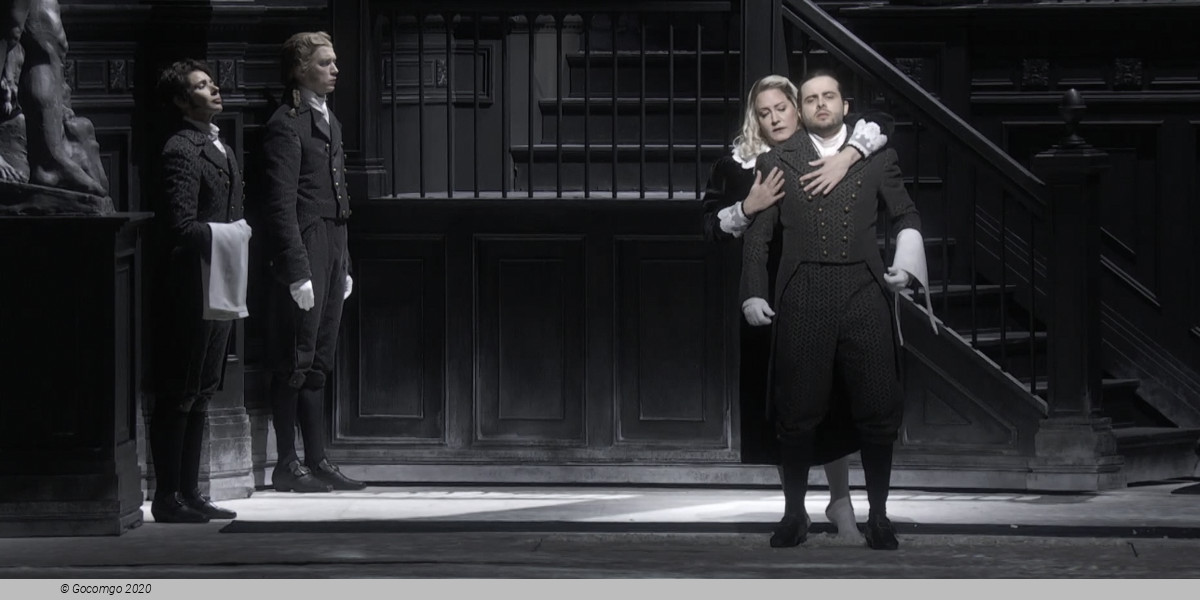
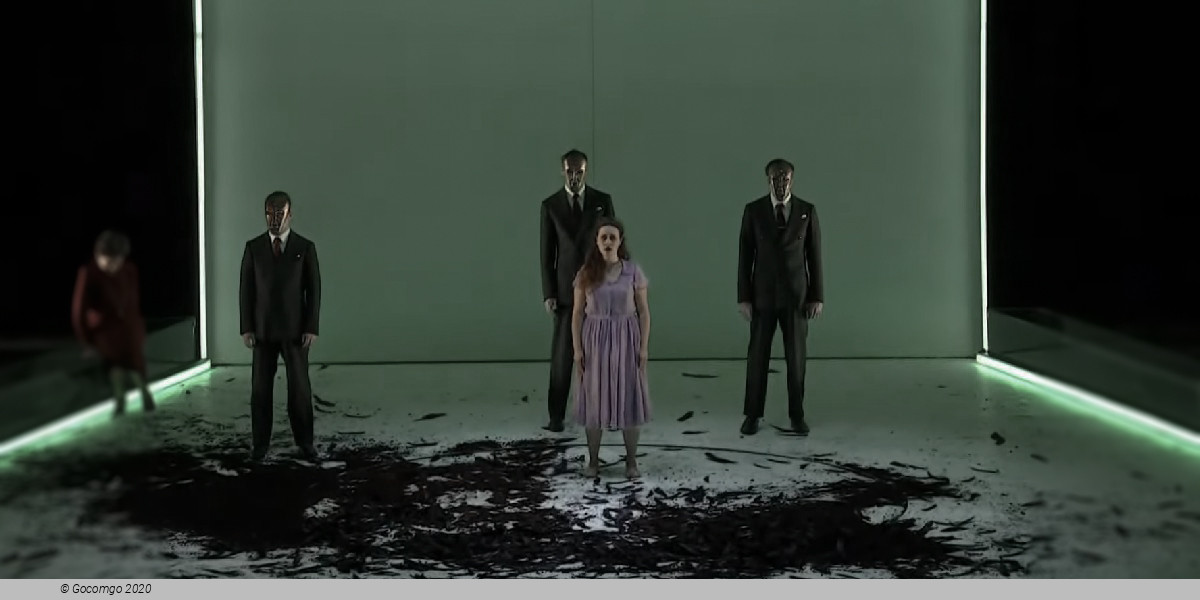
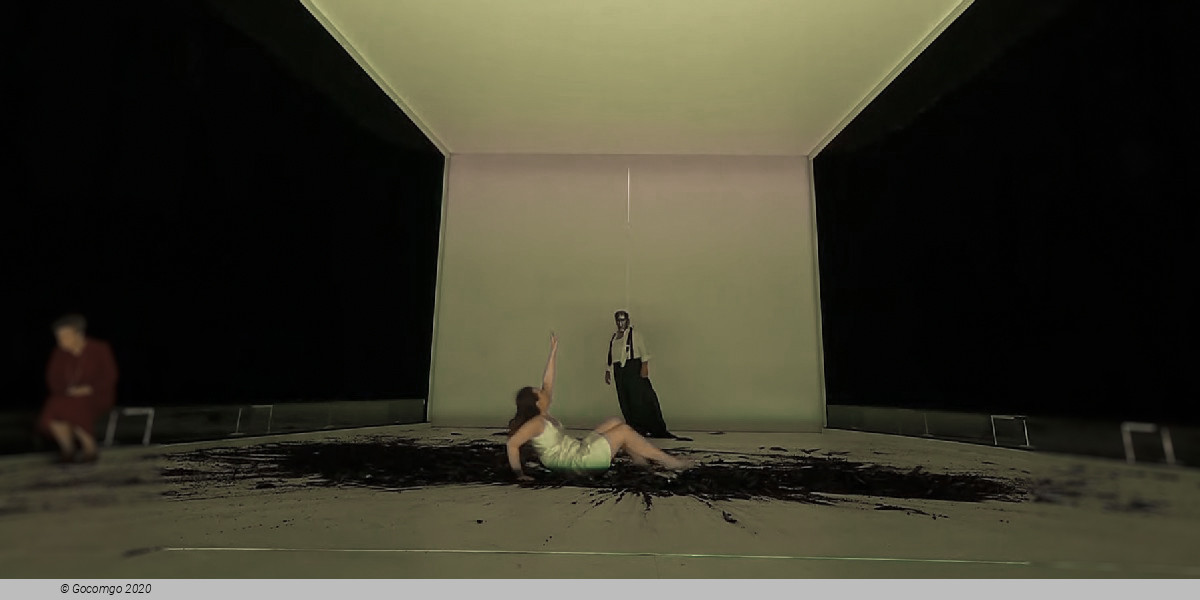
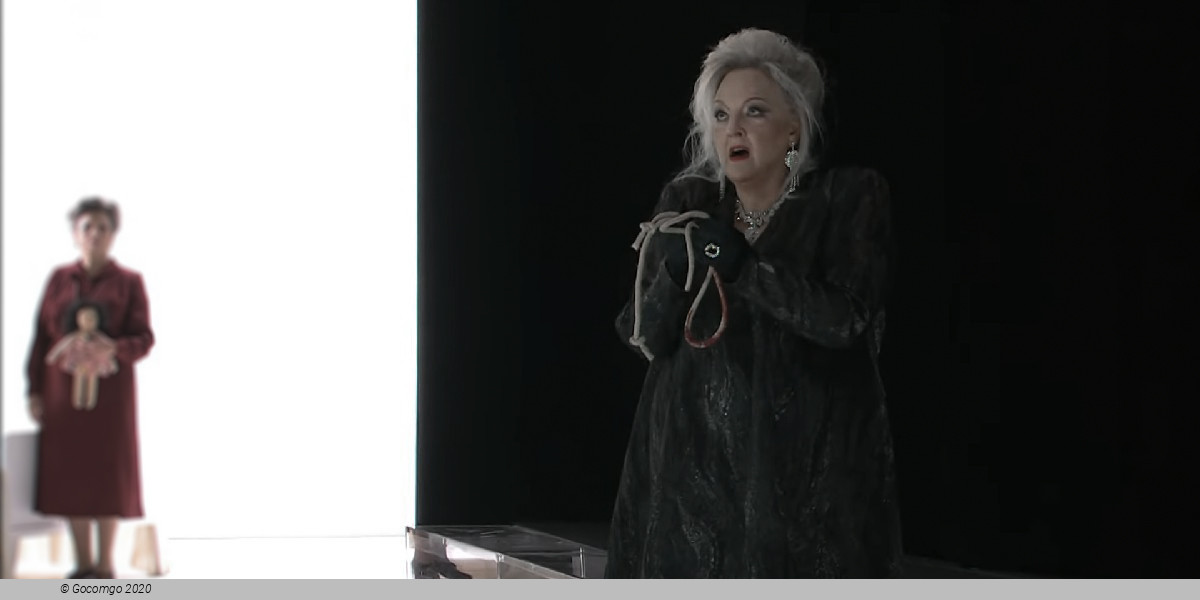
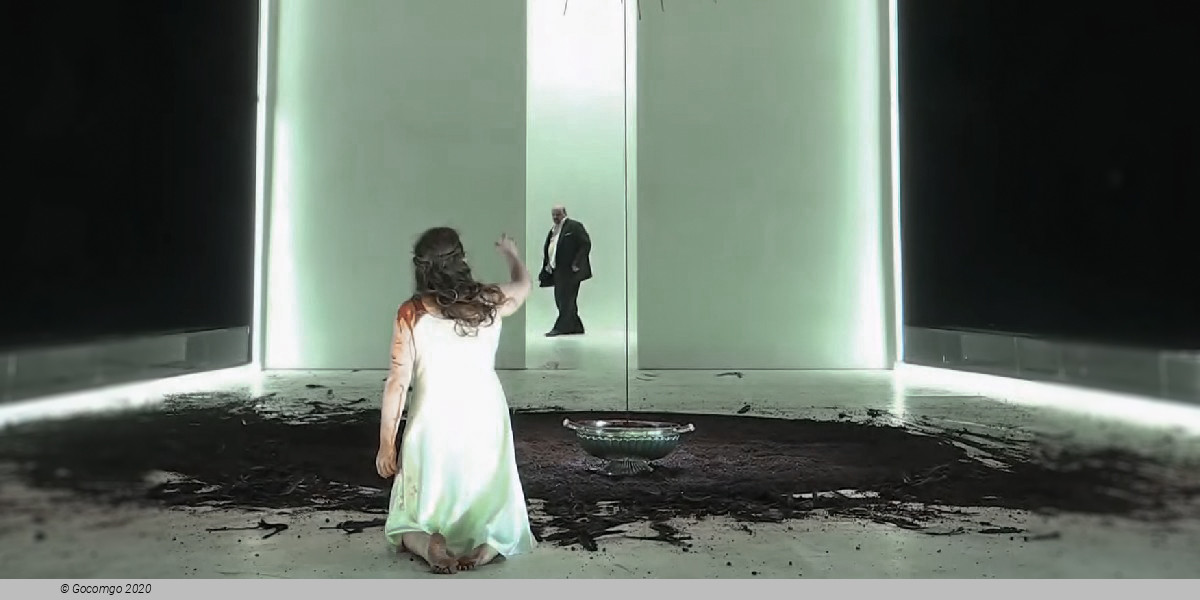
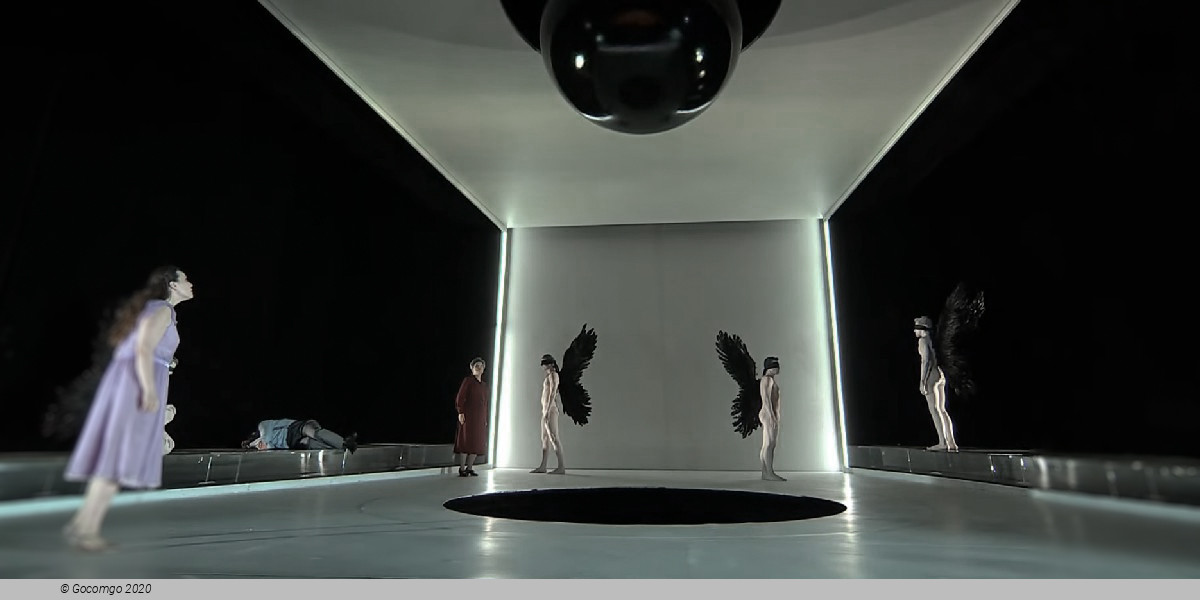
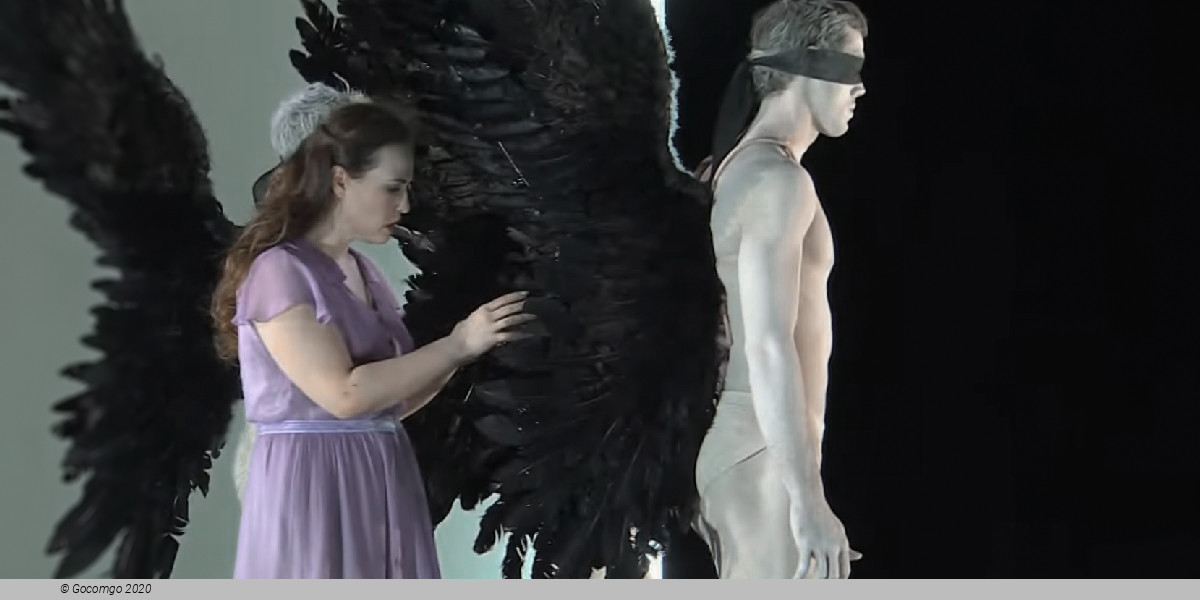
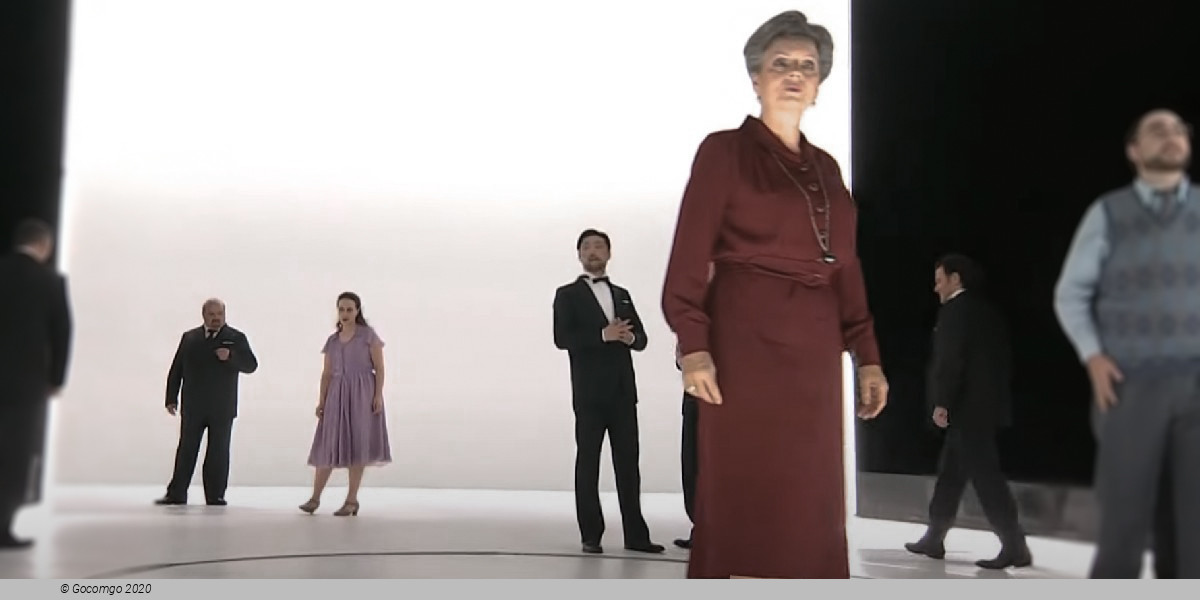
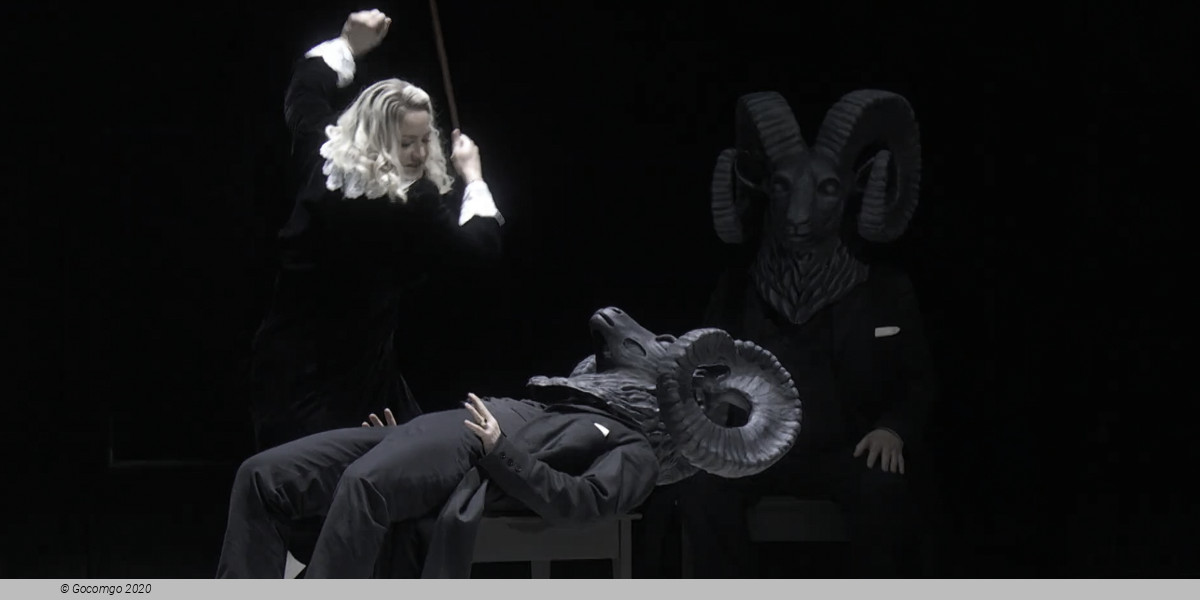
This production by Claus Guth, one of the world's most prominent opera directors, does not focus on the biblical aspects of the story. Guth stresses that the obsession with the character of Salome developed at the turn of the 19th and 20 century, which means the ancient costume is just veiled criticism of the hypocrisy of Victorian society. 

Co-produced with Madrid's Teatro Real, his take on Salome is a symbolism-laden, deeply psychological tale about finding one’s voice. Who is the real victim and the real predator in the story? 

The production is Yoel Gamzou’s debut as the Music Director of the Polish National Opera. The cast features the best Polish singers, led by Tomasz Konieczny and Monika Radecka.

History
Premiere of this production: 09 December 1905, Königliches Opernhaus, Dresden

Salome is an opera in one act by Richard Strauss. The libretto is Hedwig Lachmann's German translation of the French play Salomé by Oscar Wilde, edited by the composer. Strauss dedicated the opera to his friend Sir Edgar Speyer. The opera is famous (at the time of its premiere, infamous) for its "Dance of the Seven Veils". The final scene is frequently heard as a concert-piece for dramatic sopranos.

Synopsis

A great terrace in the Palace of Herod, set above the banqueting hall. Some soldiers are leaning over the balcony. To the right there is a gigantic staircase, to the left, at the back, an old cistern surrounded by a wall of green bronze. The moon is shining very brightly.

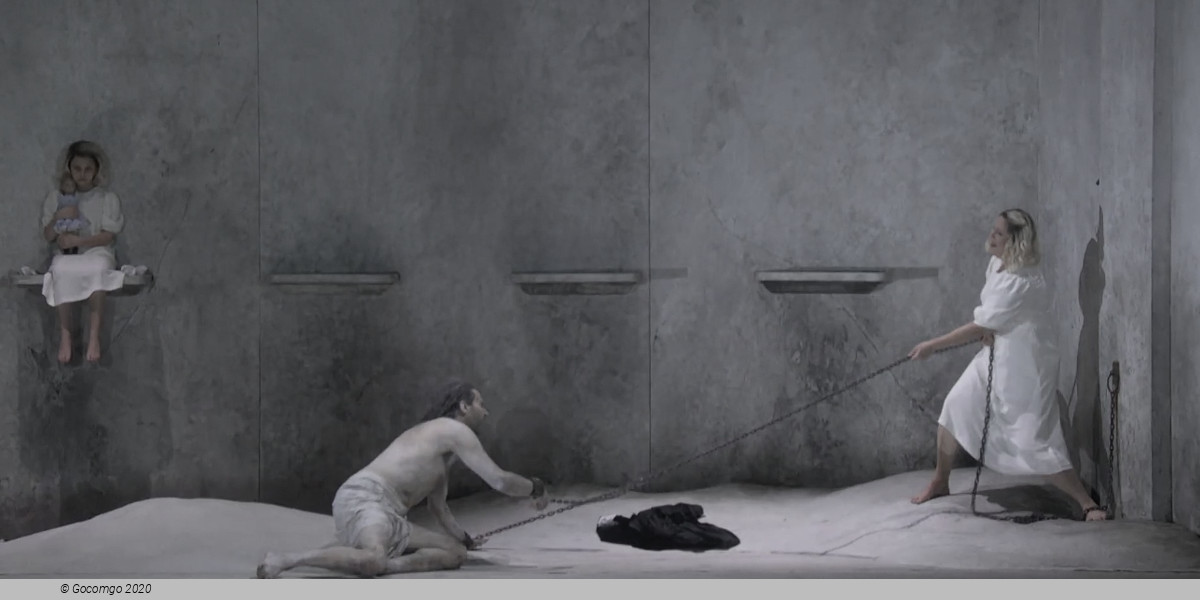
Narraboth gazes from a terrace in Herod's palace into the banquet hall at the beautiful Princess Salome; he is in love with her, and apotheosizes her, much to the disgusted fearfulness of the Page of Herodias. The voice of the Prophet Jochanaan is heard from his prison in the palace cistern; Herod fears him and has ordered that no one should contact him, including Jerusalem's High Priest.

Tired of the feast and its guests, Salome flees to the terrace. When she hears Jochanaan cursing her mother (Herodias), Salome's curiosity is piqued. The palace guards will not honor her petulant orders to fetch Jochanaan for her, so she teasingly works on Narraboth to bring Jochanaan before her. Despite the orders he has received from Herod, Narraboth finally gives in after she promises to smile at him.

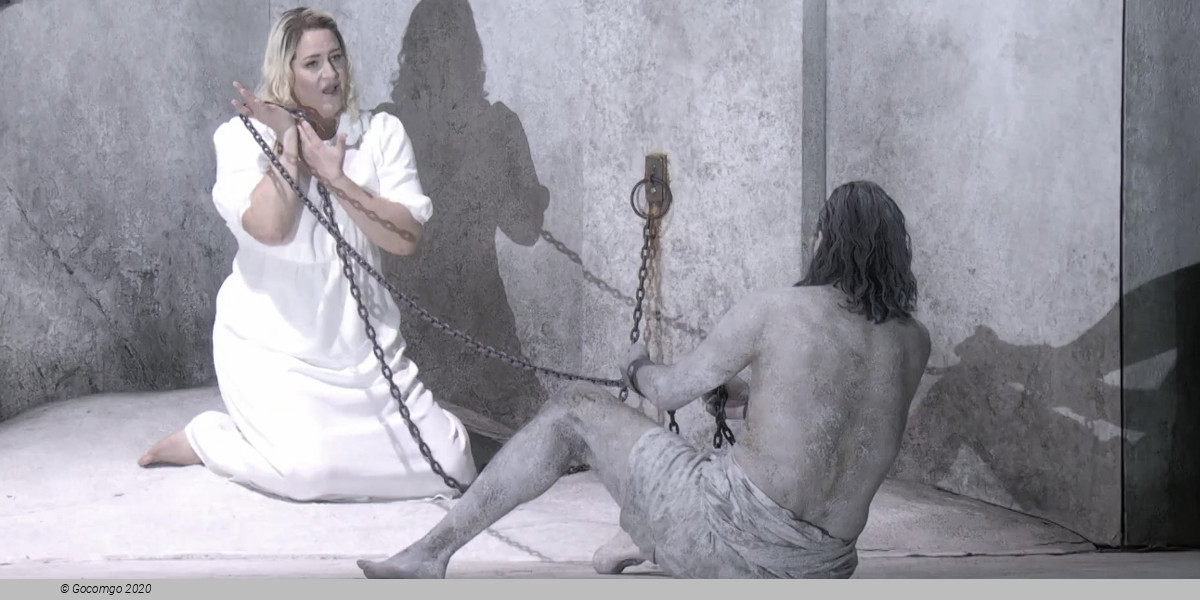
Jochanaan emerges from the cistern and shouts prophecies regarding Herod and Herodias that no one understands, except Salome when the Prophet refers to her mother. Upon seeing Jochanaan, Salome is filled with an overwhelming desire for him, praising his white skin and asking to touch it, but he rejects her. She then praises his black hair, again asking to touch it, but is rejected once more. She finally begs for a kiss from Jochanaan's lips, and Narraboth, who cannot bear to hear this, kills himself. As Jochanaan is returned to the well, he preaches salvation through the Messiah.

Herod enters, followed by his wife and court. He slips in Narraboth's blood and starts hallucinating. He hears the beating of wings. Despite Herodias' objections, Herod stares lustfully at Salome, who rejects him. Jochanaan harasses Herodias from the well, calling her incestuous marriage to Herod sinful. She demands that Herod silence him. Herod refuses, and she mocks his fear. Five Jews argue concerning the nature of God. Two Nazarenes tell of Christ's miracles; at one point they bring up the raising of Jairus' daughter from the dead, which Herod finds frightening.

Herod asks for Salome to eat with him, drink with him; indolently, she twice refuses, saying she is not hungry or thirsty. Herod then begs Salome to dance for him, Tanz für mich, Salome, though her mother objects. He promises to reward her with her heart's desire – even if it were one half of his kingdom.

After Salome inquires into his promise, and he swears to honor it, she prepares for the "Dance of the Seven Veils". This dance, very oriental in orchestration, has her slowly removing her seven veils, until she lies naked at his feet. Salome then demands the head of the prophet on a silver platter. Her mother cackles in pleasure. Herod tries to dissuade her with offers of jewels, peacocks, and the sacred veil of the Temple. Salome remains firm in her demand for Jochanaan's head, forcing Herod to accede to her demands. After a desperate monologue by Salome, an executioner emerges from the well and delivers the severed head as she requested.

Salome now declares her love for the severed head, caressing it and kissing the prophet's dead lips passionately. Horrified, Herod orders his soldiers, "Kill that woman!" They rush forward and crush Salome under their shields.

Venue Info

Warsaw Grand Theatre - Polish National Opera (Teatr Wielki) - Warsaw
Location   plac Teatralny 1

The Grand Theatre in Warsaw is a theatre and opera complex situated on the historic Theatre Square in central Warsaw. The Warsaw Grand Theatre is home to the Polish National Ballet and is one of the largest theatrical venues in the world.

The Theatre was built on Theatre Square between 1825 and 1833, replacing the former building of Marywil, from Polish classicist designs by the Italian architect Antonio Corazzi of Livorno, to provide a new performance venue for existing opera, ballet and drama companies active in Warsaw. The building was remodeled several times and, in the period of Poland's political eclipse from 1795 to 1918, it performed an important cultural and political role in producing many works by Polish composers and choreographers.

It was in the new theatre that Stanisław Moniuszko's two best-known operas received their premieres: the complete version of Halka (1858), and The Haunted Manor (1865). After Frédéric Chopin, Moniuszko was the greatest figure in 19th-century Polish music, for in addition to producing his own works, he was director of the Warsaw Opera from 1858 until his death in 1872.

While director of the Grand Theatre, Moniuszko composed The Countess, Verbum Nobile, The Haunted Manor and Paria, and many songs that make up 12 Polish Songbooks.

Also, under Moniuszko's direction, the wooden Summer Theatre was built close by in the Saxon Garden. Summer performances were given annually, from the repertories of the Grand and Variety (Rozmaitości) theatres. Józef Szczublewski writes that during this time, even though the country had been partitioned out of political existence by its neighbors, the theatre flourished: "the ballet roused the admiration of foreign visitors; there was no equal troupe of comedians to be found between Warsaw and Paris, and Modrzejewska was an inspiration to drama."

The theatre presented operas by Władysław Żeleński, Ignacy Jan Paderewski, Karol Szymanowski and other Polish composers, as well as ballet productions designed by such choreographers as Roman Turczynowicz, Piotr Zajlich and Feliks Parnell. At the same time, the repertoire included major world opera and ballet classics, performed by the most prominent Polish and foreign singers and dancers. It was also here that the Italian choreographer Virgilius Calori produced Pan Twardowski (1874), which (in the musical arrangement first of Adolf Sonnenfeld and then of Ludomir Różycki) has for years been part of the ballet company's repertoire.

During the 1939 battle of Warsaw, the Grand Theatre was bombed and almost completely destroyed, with only the classical façade surviving. During the Warsaw Uprising of 1944 the Germans shot civilians in the burnt-out ruins. The plaque to the right of the main entrance commemorates the suffering and heroism of the victims of fascism.

Important Info
Type: Opera
City: Warsaw, Poland
Starts at: 19:00
Sung in: German
Titles in: English,Polish
Top of page