
Warsaw Grand Theatre - Polish National Opera (Teatr Wielki) tickets 19 February 2027 - King Roger | GoComGo.com

King Roger

Warsaw Grand Theatre - Polish National Opera (Teatr Wielki), Moniuszko Auditorium, Warsaw, Poland
All photos (6)
Select date and time
7 PM
From
US$ 92

E-tickets: Print at home or at the box office of the event if so specified. You will find more information in your booking confirmation email.

You can only select the category, and not the exact seats.
If you order 2 or 3 tickets: your seats will be next to each other.
If you order 4 or more tickets: your seats will be next to each other, or, if this is not possible, we will provide a combination of groups of seats (at least in pairs, for example 2+2 or 2+3).

Important Info
Type: Opera
City: Warsaw, Poland
Starts at: 19:00

E-tickets: Print at home or at the box office of the event if so specified. You will find more information in your booking confirmation email.

You can only select the category, and not the exact seats.
If you order 2 or 3 tickets: your seats will be next to each other.
If you order 4 or more tickets: your seats will be next to each other, or, if this is not possible, we will provide a combination of groups of seats (at least in pairs, for example 2+2 or 2+3).

Cast
Performers
Conductor: Piotr Jaworski
Soprano: Gabriela Legun (Roxana)
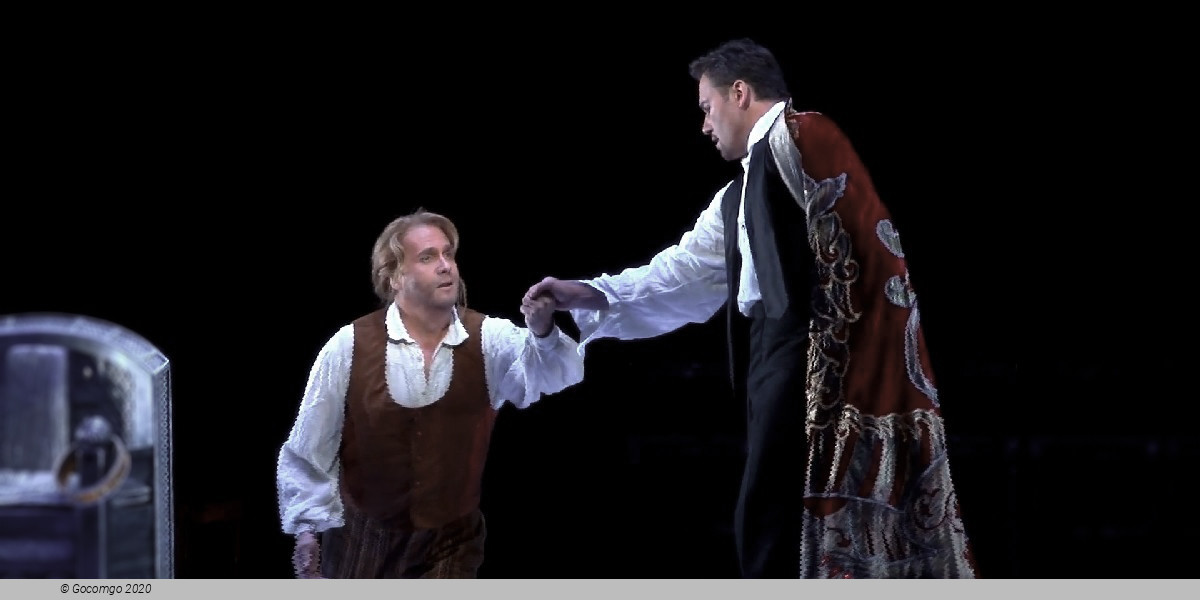
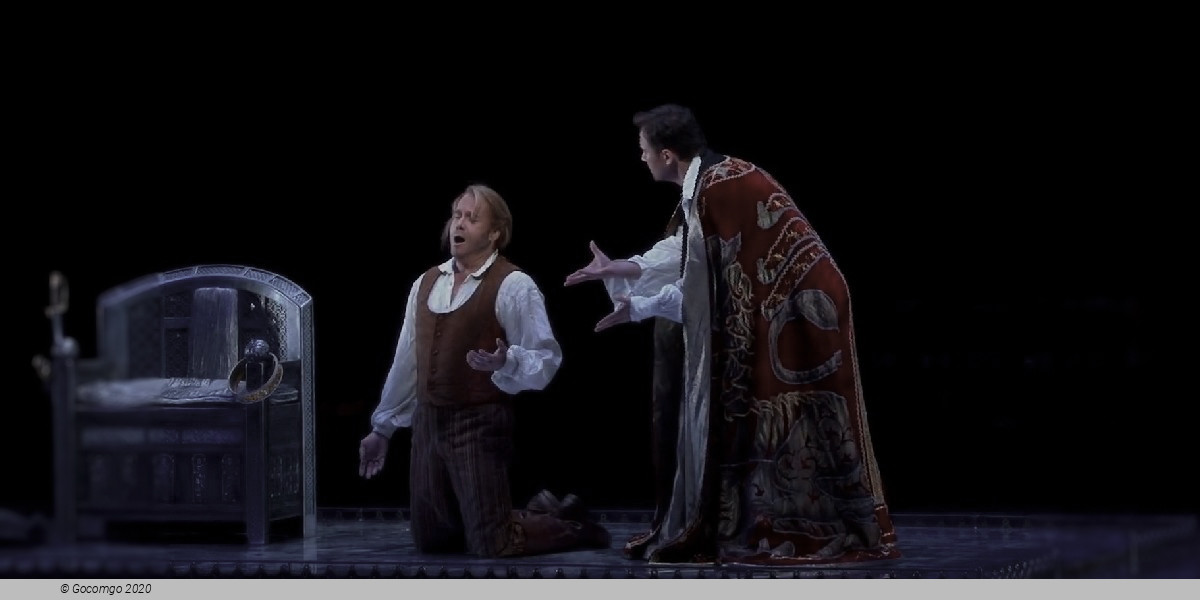
Baritone: Hubert Zapiór (King Roger)
Creators
Composer: Karol Szymanowski
Librettist: Karol Szymanowski
Director: Mariusz Treliński
Opera Company: Polish National Opera
Overview
History
Premiere of this production: 19 June 1926, Grand Theatre, Warsaw

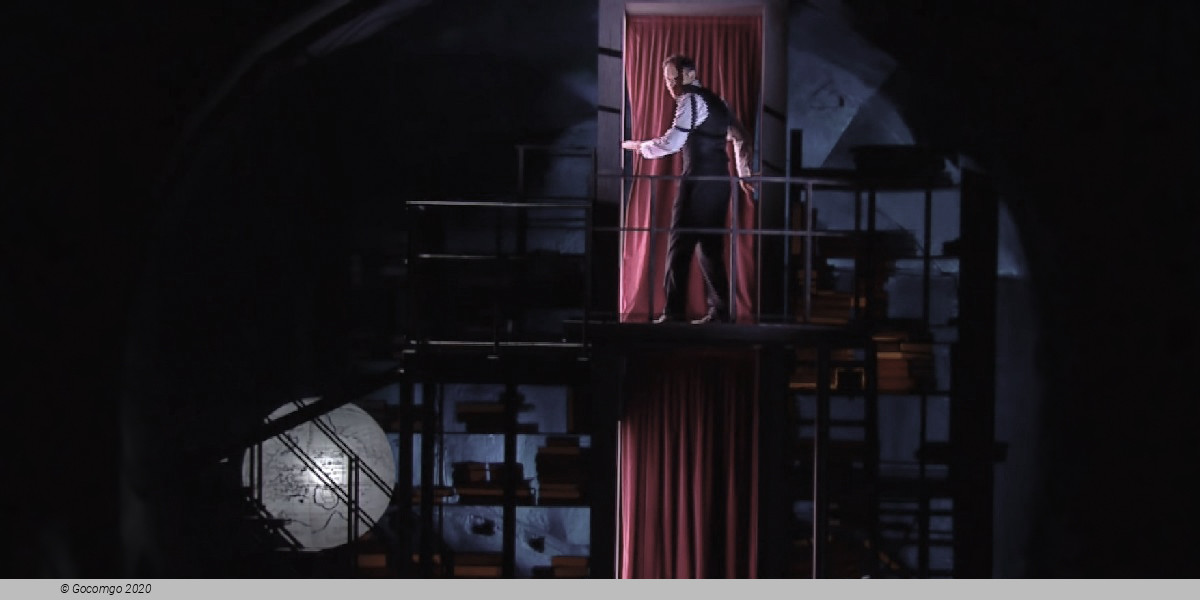
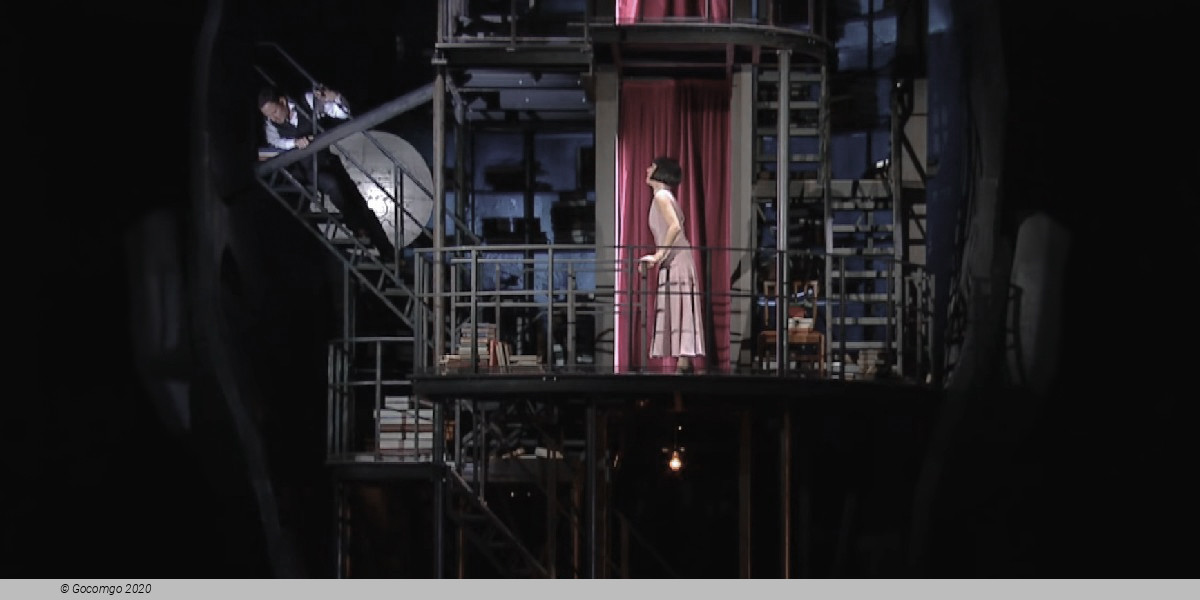
King Roger (Polish: Król Roger) is an opera in three acts by Karol Szymanowski to a Polish libretto by the composer himself and Jarosław Iwaszkiewicz, the composer's cousin. The score was finished in 1924. The opera received its world premiere on 19 June 1926 at the Grand Theatre, Warsaw, with the cast including the composer's sister, the soprano Stanisława Korwin-Szymanowska, as Roxana.

Synopsis

Place: Sicily
Time: 12th century
The story concerns the enlightenment of the Christian King Roger II by a young shepherd who represents pagan ideals.

Act 1
Often known as the "Byzantine" act

The Shepherd is introduced to King Roger and his court during mass at the Palermo Cathedral. Despite calls by the Archbishop as well as the crowd for his punishment as a heretic, Roxana, Roger's wife, convinces the King not to kill him. She implores him to pass a fair judgment on the Shepherd. Roger orders the young man to appear at the palace that night, where he will explain himself and submit to the King's judgement.

Act 2
The "Oriental" act, representing India and the Middle East

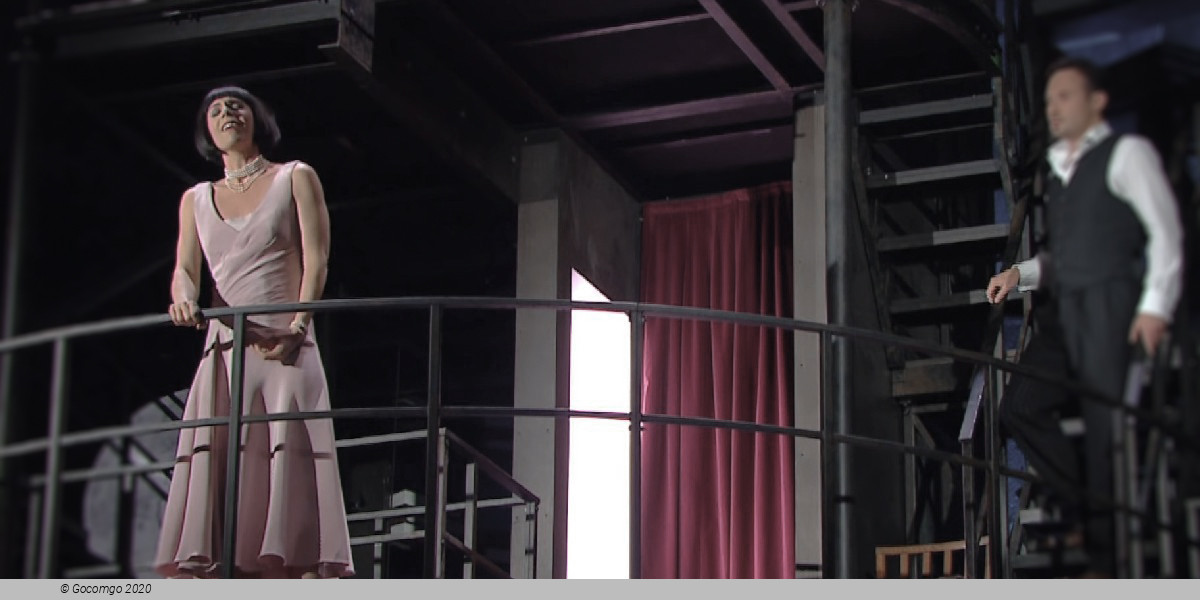
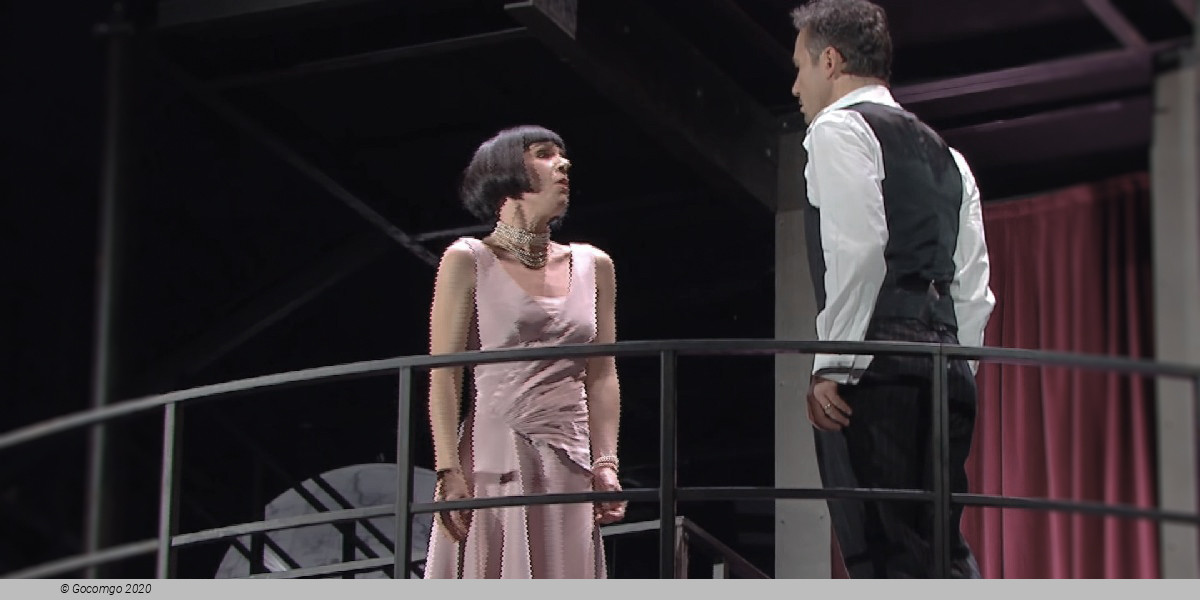
As instructed, the Shepherd appears at the palace gates. Roxana sings a seductive song which is clearly a response to the visitor, causing Roger to grow increasingly agitated. As the Shepherd is led in, he describes his faith in detail and soon almost the entire court joins him in an ecstatic dance. Roger attempts to chain him, but the Shepherd easily breaks free, and leaves the palace with almost all of those assembled following him. At first the King and his Arab advisor, Edrisi are left alone, but soon it is decided that Roger will join the Shepherd.

Act 3
The "Greco-Roman" act

In an ancient Greek theater, King Roger and Edrisi rejoin Roxana, who informs her husband that only the Shepherd can free him of his fear and jealousy. A fire is lit, and the Shepherd's followers commence another dance, while the Shepherd is transformed into Dionysus. As the dance ends and the participants leave the stage, Roger is left transformed by the experience, and sings a joyous hymn at the arrival of the morning sun.

Venue Info

Warsaw Grand Theatre - Polish National Opera (Teatr Wielki) - Warsaw
Location   plac Teatralny 1

The Grand Theatre in Warsaw is a theatre and opera complex situated on the historic Theatre Square in central Warsaw. The Warsaw Grand Theatre is home to the Polish National Ballet and is one of the largest theatrical venues in the world.

The Theatre was built on Theatre Square between 1825 and 1833, replacing the former building of Marywil, from Polish classicist designs by the Italian architect Antonio Corazzi of Livorno, to provide a new performance venue for existing opera, ballet and drama companies active in Warsaw. The building was remodeled several times and, in the period of Poland's political eclipse from 1795 to 1918, it performed an important cultural and political role in producing many works by Polish composers and choreographers.

It was in the new theatre that Stanisław Moniuszko's two best-known operas received their premieres: the complete version of Halka (1858), and The Haunted Manor (1865). After Frédéric Chopin, Moniuszko was the greatest figure in 19th-century Polish music, for in addition to producing his own works, he was director of the Warsaw Opera from 1858 until his death in 1872.

While director of the Grand Theatre, Moniuszko composed The Countess, Verbum Nobile, The Haunted Manor and Paria, and many songs that make up 12 Polish Songbooks.

Also, under Moniuszko's direction, the wooden Summer Theatre was built close by in the Saxon Garden. Summer performances were given annually, from the repertories of the Grand and Variety (Rozmaitości) theatres. Józef Szczublewski writes that during this time, even though the country had been partitioned out of political existence by its neighbors, the theatre flourished: "the ballet roused the admiration of foreign visitors; there was no equal troupe of comedians to be found between Warsaw and Paris, and Modrzejewska was an inspiration to drama."

The theatre presented operas by Władysław Żeleński, Ignacy Jan Paderewski, Karol Szymanowski and other Polish composers, as well as ballet productions designed by such choreographers as Roman Turczynowicz, Piotr Zajlich and Feliks Parnell. At the same time, the repertoire included major world opera and ballet classics, performed by the most prominent Polish and foreign singers and dancers. It was also here that the Italian choreographer Virgilius Calori produced Pan Twardowski (1874), which (in the musical arrangement first of Adolf Sonnenfeld and then of Ludomir Różycki) has for years been part of the ballet company's repertoire.

During the 1939 battle of Warsaw, the Grand Theatre was bombed and almost completely destroyed, with only the classical façade surviving. During the Warsaw Uprising of 1944 the Germans shot civilians in the burnt-out ruins. The plaque to the right of the main entrance commemorates the suffering and heroism of the victims of fascism.

Important Info
Type: Opera
City: Warsaw, Poland
Starts at: 19:00
Top of page