


Warsaw Grand Theatre - Polish National Opera (Teatr Wielki) tickets 17 January 2027 - Premiere Káťa Kabanova | GoComGo.com

Premiere
Káťa Kabanova

Warsaw Grand Theatre - Polish National Opera (Teatr Wielki), Moniuszko Auditorium, Warsaw, Poland
All photos (8)
Select date and time
7 PM
From
US$ 103

E-tickets: Print at home or at the box office of the event if so specified. You will find more information in your booking confirmation email.

You can only select the category, and not the exact seats.
If you order 2 or 3 tickets: your seats will be next to each other.
If you order 4 or more tickets: your seats will be next to each other, or, if this is not possible, we will provide a combination of groups of seats (at least in pairs, for example 2+2 or 2+3).

Important Info
Type: Opera
City: Warsaw, Poland
Starts at: 19:00
Sung in: Czech
Titles in: English,Polish

E-tickets: Print at home or at the box office of the event if so specified. You will find more information in your booking confirmation email.

You can only select the category, and not the exact seats.
If you order 2 or 3 tickets: your seats will be next to each other.
If you order 4 or more tickets: your seats will be next to each other, or, if this is not possible, we will provide a combination of groups of seats (at least in pairs, for example 2+2 or 2+3).

Cast
Performers
Conductor: Yoel Gamzou
Soprano: Ausrine Stundyte (Káťa (Katerina))
Bass: Brindley Sherratt (Savël Prokofjevic Dikój)
Soprano: Evelyn Herlitzius (Marfa Ignatěvna Kabanová (Kabanicha))
Tenor: Jamez McCorkle (Boris Grigorjevič)
Mezzo: Nataliia Tepla (Varvara)
Tenor: Thomas Kinch (Tichon Ivanyč Kabanov)
Creators
Composer: Leoš Janáček
Playwright: Alexander Ostrovsky
Director: Kornél Mundruczó
Opera Company: Polish National Opera
Librettist: Vincenc Červinka
Overview

The story of Káťa Kabanova might seem simple at first glance. A young woman living in an unhappy marriage and suffering abuse from her mother-in-law gets involved in an affair. Hounded by her guilty conscience, she eventually confesses her betrayal to her husband and commits suicide. Although factually accurate, this brief synopsis does not convey the opera's psychological complexity.

Leoš Janáček, one of the most fascinating and singular creators of the turn of the 19th and 20th centuries, achieved his greatest successes in his sixties. Most of his stage works explore unconventional female characters, and so does Káťa Kabanova. The composer was prompted to write the piece by his encounter with Kamila Stösslova. The relationship never developed into an affair, but Stösslová became the composer’s muse. Káťa is one of the woman’s musical portrayals. By a stroke of luck, Janáček came across a Czech translation of Alexander Ostrovsky’s then-popular Russian-language play The Storm. Just before adapting the play into a libretto, he also had a chance to see Puccini’s Madama Butterfly, whose eponymous protagonist reminded Janáček of Stösslová. The combination produced one of the most delicate heroines in 20th-century opera. 

Káťa is gentle by nature, extremely fragile, a feature brought out when juxtaposed with her principled and possessive mother-in-law, who plays an equally important role in the opera. The piece's main focus is the younger woman's ill-adjustment. No character is unequivocally good or bad: none gets a chance to spread their wings. 

Káťa Kabanova undoubtedly ranks among the most pessimistic works ever written by Janáček. The music’s great lyrical power and intensity derive from the composer's genuine emotion. While fatalistic, the opera radiates sympathy towards the titular character, torn between her principles and desire. 

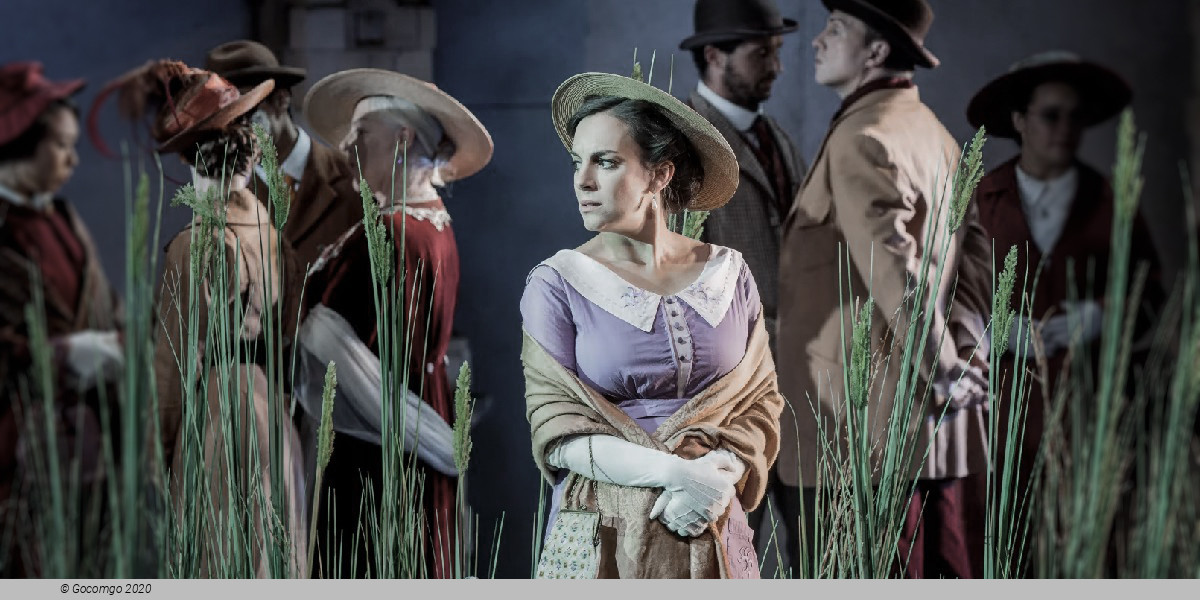
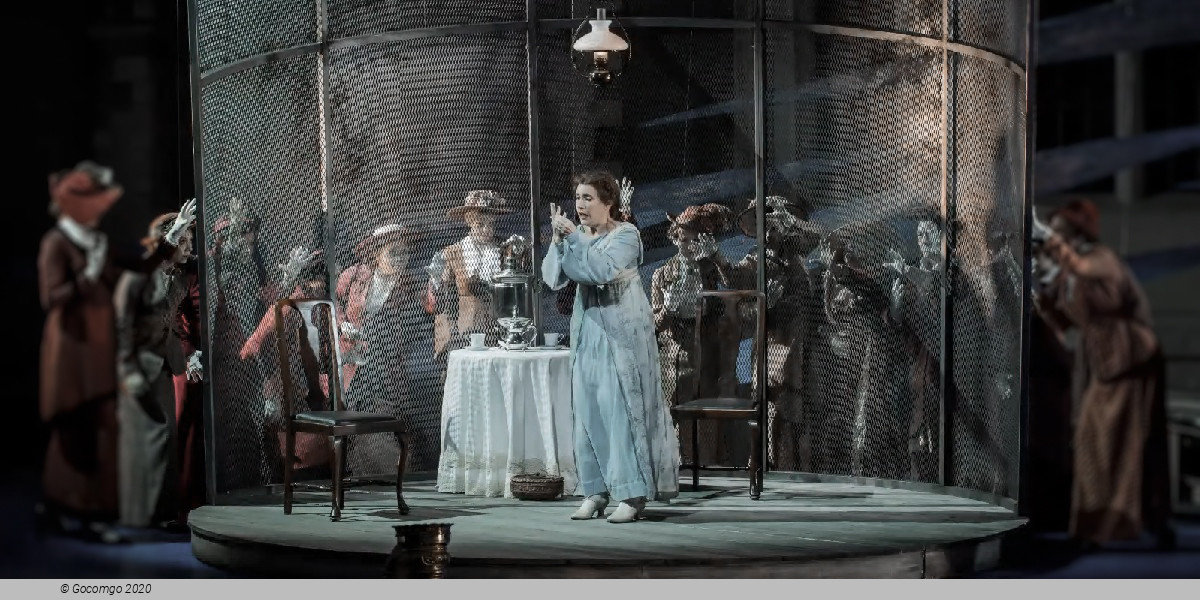
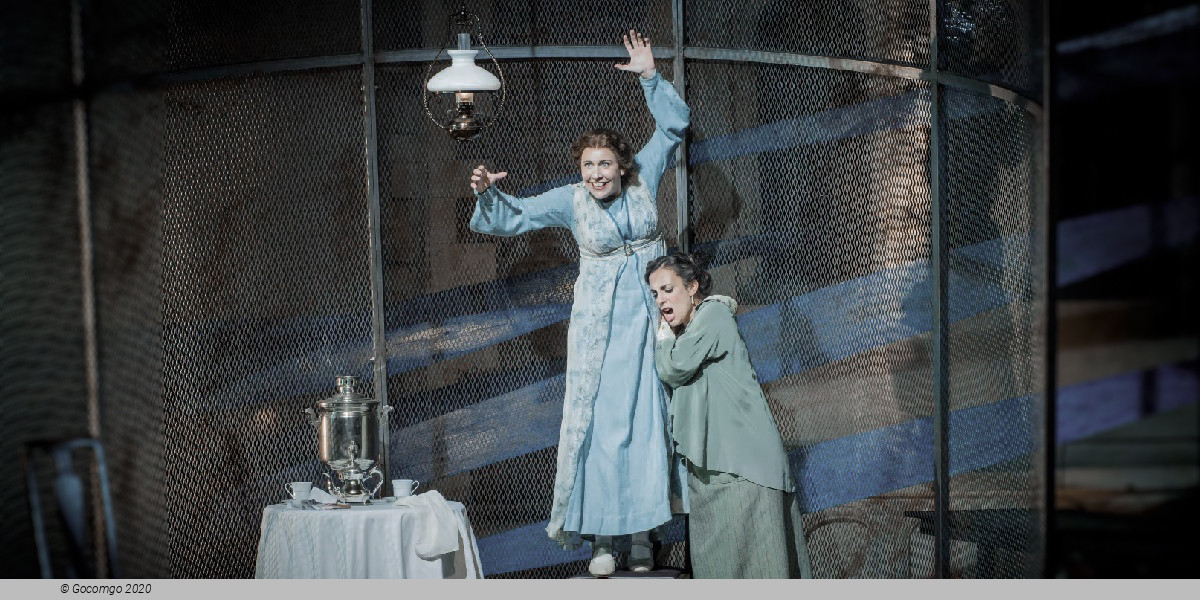
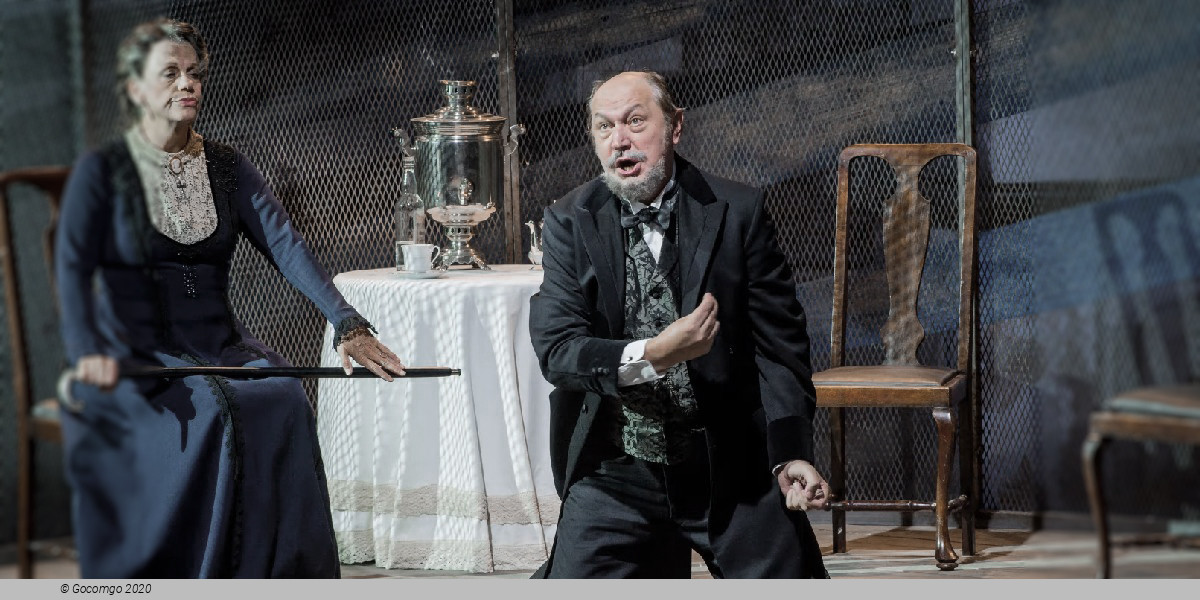
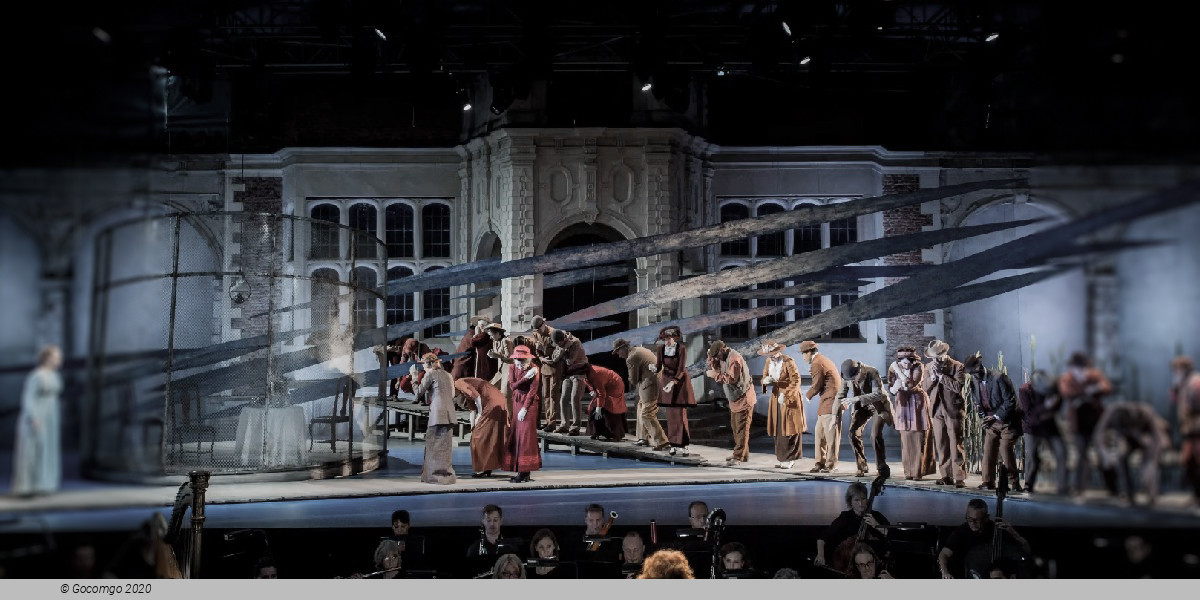
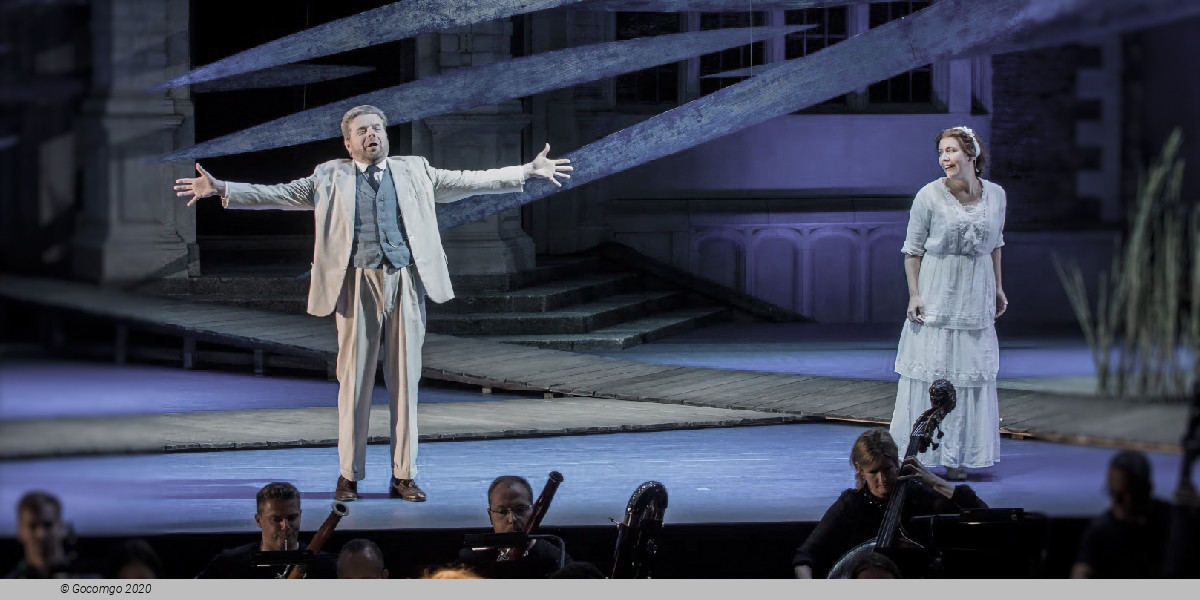
Kornél Mundruczó, a director who works with the same enthusiasm in opera, theatre, and film, sees the opera through a contemporary lens. He approaches it as a local story rooted in the post-communist past of Central and Eastern Europe and a tale about a world that is only superficially open, while, in fact, being governed by strict social norms.

The production is conducted by Yoel Gamzou. Aušrinė Stundytė and Natalia Tanasii star in the lead roles.  

History
Premiere of this production: 23 November 1921, National Theatre, Brno

Káťa Kabanová (also known in various spellings including Katia, Katja, Katya, and Kabanowa) is an opera in three acts, with music by Leoš Janáček to a libretto by Vincenc Červinka, based on The Storm, a play by Alexander Ostrovsky. The opera was also largely inspired by Janáček's love for Kamila Stösslová. This is often considered his first "mature" opera, despite the fact that he was 67 when it was premiered. Káťa Kabanová is a clear response to Janáček's feelings for Kamila, and the work is dedicated to her.

Synopsis

Place: The Russian town of Kalinov on the shores of the Volga River
Time: The 1860s

Act 1
Vána Kudrjás admires the view of the Volga River, which amuses the more literal-minded housekeeper of the adjoining Kabanov estate. Two men approach, Dikoj and his nephew, Boris Grigorjevic, where Dikoj is berating Boris. Dikoj learns that Kabanicha, the Kabanov family matriarch, is not at home. Dikoj leaves, and Boris explains to Vána Kudrjás why he tolerates the abuse: his parents are dead, and to be able collect his inheritance, he must respect his uncle no matter what his uncle says to him. Boris also tells Vána Kudrjás that he is secretly in love with Káťa, the young wife of Tichon. Káťa appears and Kabanicha reproaches her son Tichon – Kata's husband – for his inattentiveness. Tichon and Káťa try to calm her down, but Kabanicha will have none of it, telling Tichon that he spoils Káťa. Tichon complains to Varvara, the family's foster daughter, who rebukes him for retreating into drinking more than defending Káťa.

In the house, Káťa tells Varvara of her happy childhood, and dreams of having a man who truly loves her. Tichon enters to say good-bye, as he is journeying to Kazan on business, for Kabanicha. Káťa asks to accompany him or for him not to go, but he insists. Káťa then asks him to make her swear an oath to speak to no strangers during his absence, which puzzles Tichon. Kabanicha announces that Tichon must go, but not before instructing Káťa how to behave in his absence. Tichon dutifully says that Káťa must treat Kabanicha like her own mother and always act properly. He bows to Kabanicha and kisses her and Kát'a before he departs.

Act 2
The women are working on embroidery. Kabanicha criticizes Káťa for not appearing more sorrowful at Tichon's absence. After Kabanicha leaves, Varvara shows Káťa the key to the far part of the garden. Varvara intends to meet Vána, her lover, there. She hints at the same suggestion for Káťa, and puts the key in her hand. Káťa is hesitant, but then surrenders to fate and will meet Boris. She steps outside as evening comes on. Kabanicha reappears with Dikoj, who is drunk and complaining that people take advantage of his softhearted nature. However, Kabanicha chastises him.

Vána Kudrjás is waiting for Varvara in the garden. Boris then unexpectedly appears, after receiving a message to go there. Varvara arrives, and she and Vána go for a walk by the river. Káťa then appears, and Boris declares his love for her. She is at first worried about social ruin, but finally she reciprocates, confessing her secret feelings for him. They embrace and themselves leave for a walk. Vána and Varvara return, as she explains her precautions in case Kabanicha suddenly appears. Káťa and Boris are heard in wordless, ecstatic duet as Vána and Varvara say that it is time to return home.

Act 3
Ten days later
Vána Kudrjás and Kuligin are strolling near the river when an approaching storm causes them to take shelter in a ruined building. Other people join them, including Dikoj. Vána tries to calm Dikoj with scientific explanations about a new invention, the lightning rod. However, this only angers Dikoj, who insists that lightning is not caused by electricity but is the punishment from God. The rain dies down, and people start to leave the shelter. Vána meets Boris and Varvara. Varvara says that Tichon has returned, and Káťa is very agitated. Kabanicha arrives with Tichon and Káťa. The storm returns, and people assume initially that this is what upsets Káťa. However, she confesses to Tichon in front of everyone her assignation with Boris during her husband's absence. Then she runs out into the storm.

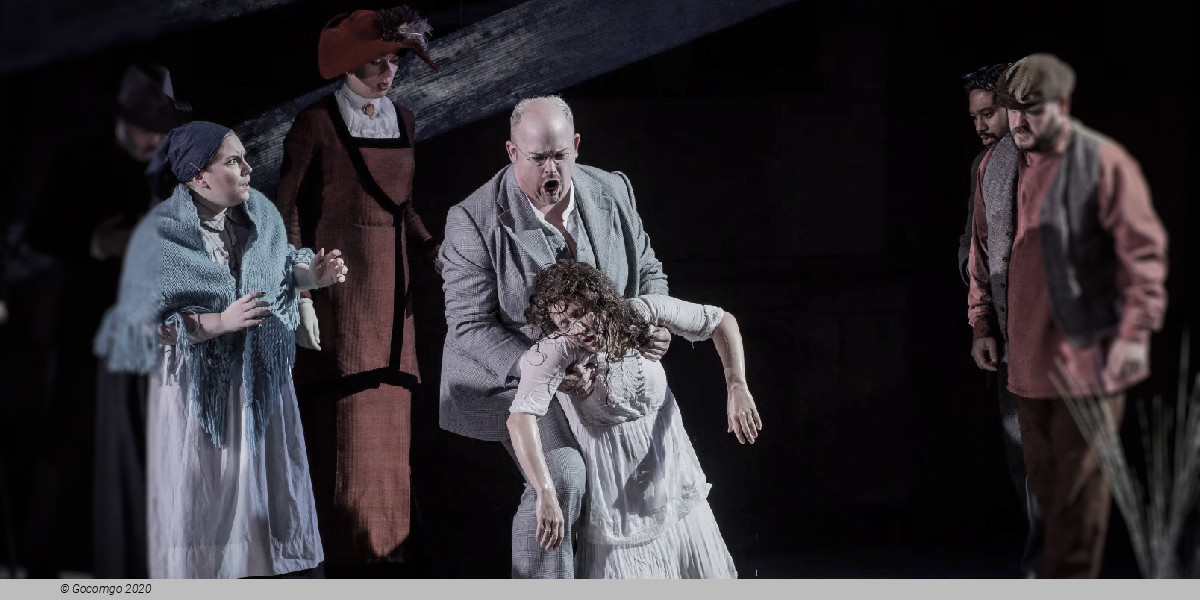
Evening approaches after the storm has ended. Tichon and a search party are looking for Káťa. At first among the party, Varvara and Vána then decide to leave the village for Moscow and start a new life. They leave, and as the searchers continue, Káťa appears. She knows that her confession has dishonoured her and humiliated Boris. She feels tormented and wants to meet Boris one more time. Boris appears and sees her, and the two embrace. Boris says that his uncle is sending him away to another town, but asks her what will become of her. As her sanity deteriorates, she first begs him to be allowed to accompany him, then insists that she could not and bids him farewell; he leaves in sorrow. After thinking of how nature will continue to flourish over her grave, Káťa throws herself into the river. Kuligin sees this from the far bank and calls for help. Tichon appears, followed by Kabanicha. Tichon tries to help Káťa but is restrained by Kabanicha; he blames her for Káťa's suicide. Dikoj appears with Káťa's body and lays her on the ground. Tichon cries over the body as, without any emotion, Kabanicha thanks the bystanders—or, as often done, the audience—for their help.

Venue Info

Warsaw Grand Theatre - Polish National Opera (Teatr Wielki) - Warsaw
Location   plac Teatralny 1

The Grand Theatre in Warsaw is a theatre and opera complex situated on the historic Theatre Square in central Warsaw. The Warsaw Grand Theatre is home to the Polish National Ballet and is one of the largest theatrical venues in the world.

The Theatre was built on Theatre Square between 1825 and 1833, replacing the former building of Marywil, from Polish classicist designs by the Italian architect Antonio Corazzi of Livorno, to provide a new performance venue for existing opera, ballet and drama companies active in Warsaw. The building was remodeled several times and, in the period of Poland's political eclipse from 1795 to 1918, it performed an important cultural and political role in producing many works by Polish composers and choreographers.

It was in the new theatre that Stanisław Moniuszko's two best-known operas received their premieres: the complete version of Halka (1858), and The Haunted Manor (1865). After Frédéric Chopin, Moniuszko was the greatest figure in 19th-century Polish music, for in addition to producing his own works, he was director of the Warsaw Opera from 1858 until his death in 1872.

While director of the Grand Theatre, Moniuszko composed The Countess, Verbum Nobile, The Haunted Manor and Paria, and many songs that make up 12 Polish Songbooks.

Also, under Moniuszko's direction, the wooden Summer Theatre was built close by in the Saxon Garden. Summer performances were given annually, from the repertories of the Grand and Variety (Rozmaitości) theatres. Józef Szczublewski writes that during this time, even though the country had been partitioned out of political existence by its neighbors, the theatre flourished: "the ballet roused the admiration of foreign visitors; there was no equal troupe of comedians to be found between Warsaw and Paris, and Modrzejewska was an inspiration to drama."

The theatre presented operas by Władysław Żeleński, Ignacy Jan Paderewski, Karol Szymanowski and other Polish composers, as well as ballet productions designed by such choreographers as Roman Turczynowicz, Piotr Zajlich and Feliks Parnell. At the same time, the repertoire included major world opera and ballet classics, performed by the most prominent Polish and foreign singers and dancers. It was also here that the Italian choreographer Virgilius Calori produced Pan Twardowski (1874), which (in the musical arrangement first of Adolf Sonnenfeld and then of Ludomir Różycki) has for years been part of the ballet company's repertoire.

During the 1939 battle of Warsaw, the Grand Theatre was bombed and almost completely destroyed, with only the classical façade surviving. During the Warsaw Uprising of 1944 the Germans shot civilians in the burnt-out ruins. The plaque to the right of the main entrance commemorates the suffering and heroism of the victims of fascism.

Important Info
Type: Opera
City: Warsaw, Poland
Starts at: 19:00
Sung in: Czech
Titles in: English,Polish
Top of page