
RAMT tickets 27 July 2026 - Spartacus | GoComGo.com

Spartacus

RAMT, Moscow, Russia
All photos (8)
Select date and time
7 PM
Request for Tickets
Important Info
Type: Ballet
City: Moscow, Russia
Starts at: 19:00

E-tickets: Print at home or at the box office of the event if so specified. You will find more information in your booking confirmation email.

You can only select the category, and not the exact seats.
If you order 2 or 3 tickets: your seats will be next to each other.
If you order 4 or more tickets: your seats will be next to each other, or, if this is not possible, we will provide a combination of groups of seats (at least in pairs, for example 2+2 or 2+3).

Cast
Creators
Composer: Aram Khachaturian
Choreographer: Natalia Kasatkina
Choreographer: Vladimir Vasiliev
Librettist: Nikolai Volkov
Overview

“Spartacus” by Natalia Kasatkina and Vladimir Vasiliev: Rare Music, Eroticism, and True Roman Combat

The Theater of Classical Ballet of Natalia Kasatkina and Vladimir Vasiliev presents their version of Aram Khachaturian’s ballet Spartacus on the Ramt stage. This is a production that every true ballet lover must see. Here’s why.

Music
Kasatkina and Vasiliev knew Aram Khachaturian personally and understood better than anyone his frustration over the fact that the original score of Spartacus had been cut in half in the most famous productions. To properly honor their friend’s memory, in 2003—on the composer’s 100th birthday—they presented their own version of Khachaturian’s masterpiece, nearly half of which consisted of previously unused music.

Plot (spoiler alert!)
The choreographers completely reinterpreted the concept of the ballet. Their Spartacus is not merely a gladiator who leads a slave revolt. Above all, he is an idealist, dreaming that everyone could emerge victorious in the battle with the slave within themselves. Such heroes have no place in real life: all his companions, in reality, prove to be no better than their oppressors. The tragic ending is, therefore, inevitable. The death of the noble romantic Spartacus becomes symbolic: he can only be defeated by Crassus with a sword already stained by the blood of an innocent girl sacrificed earlier.

Choreography
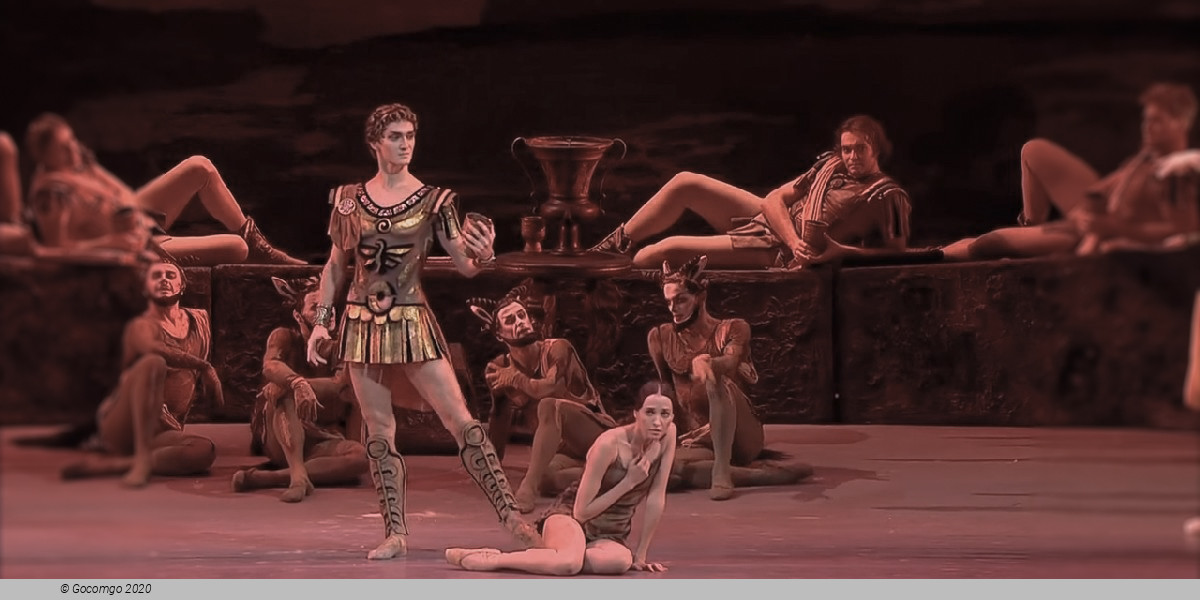
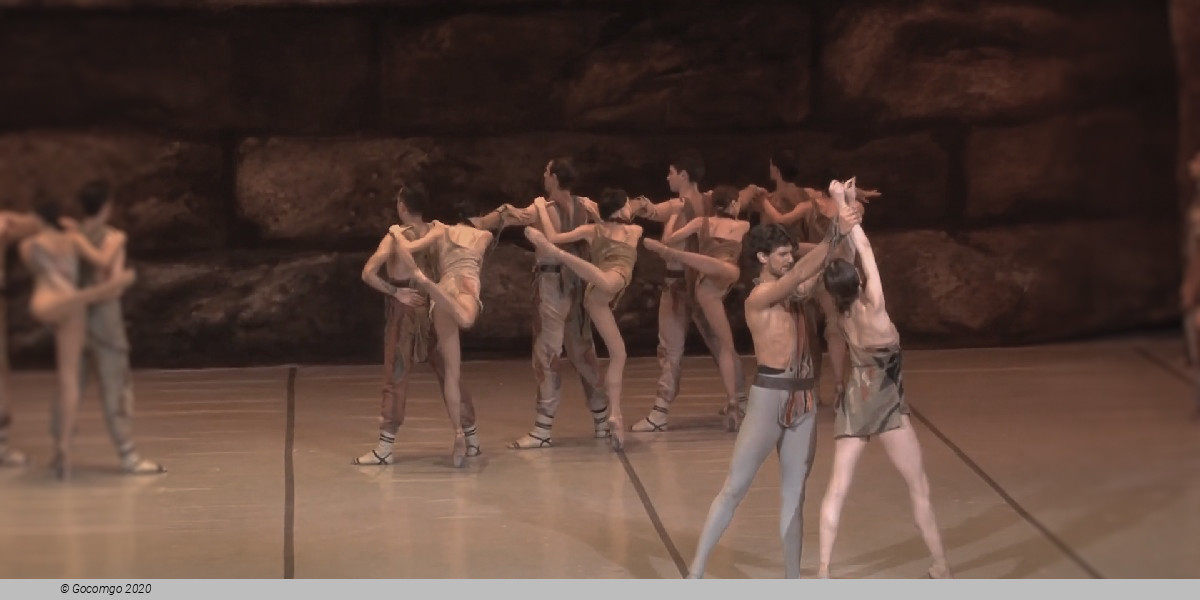
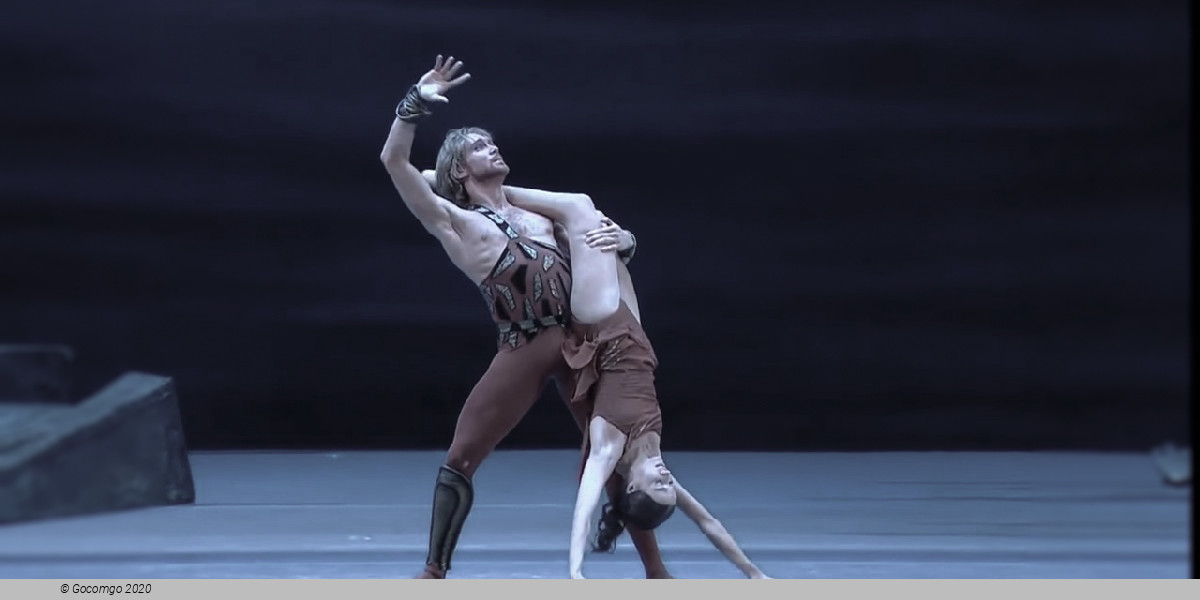
The original choreography by Kasatkina and Vasiliev fully conveys the morals of the Roman Empire, steeped in greed, gluttony, and vice. Some critics have noted that the sensuality sometimes borders on excess: one journalist famously titled his review, “Only the little dog remained innocent in this performance”. Others emphasized that every movement serves the overall idea. Everything in this production is subordinated to passion—including the passion for freedom. The sensual scenes are deliberately “rhymed” with gladiatorial combat.

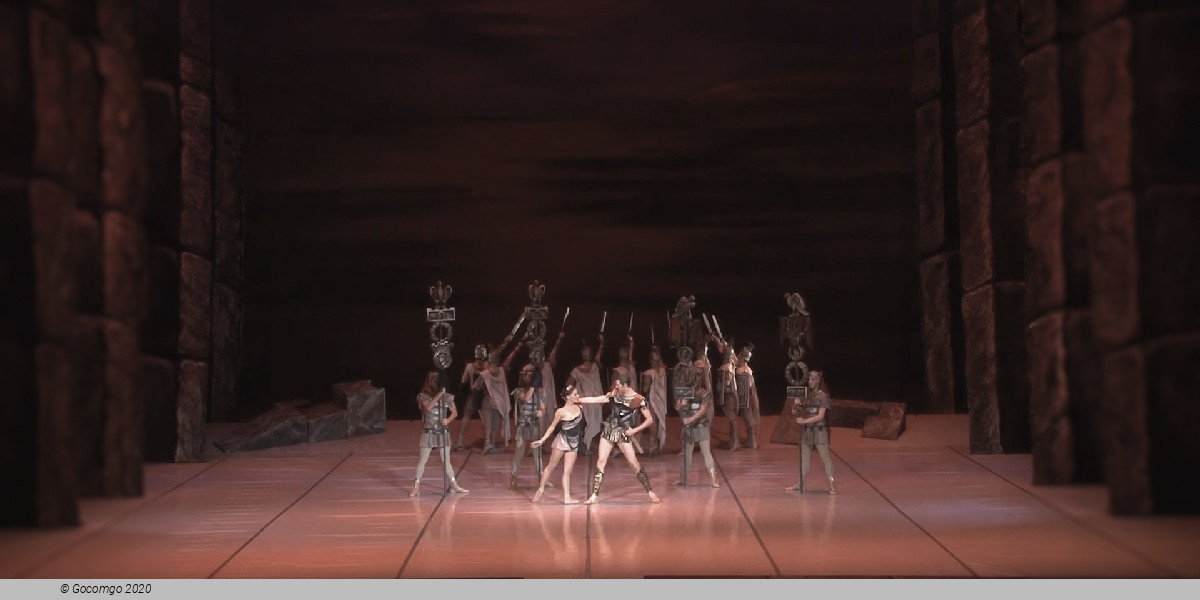
A delight for historians and lovers of historical reconstructions: Kasatkina and Vasiliev integrated real Roman combat techniques into the choreography, taught to the dancers by the renowned film stunt coordinator Alexander Malyshev.

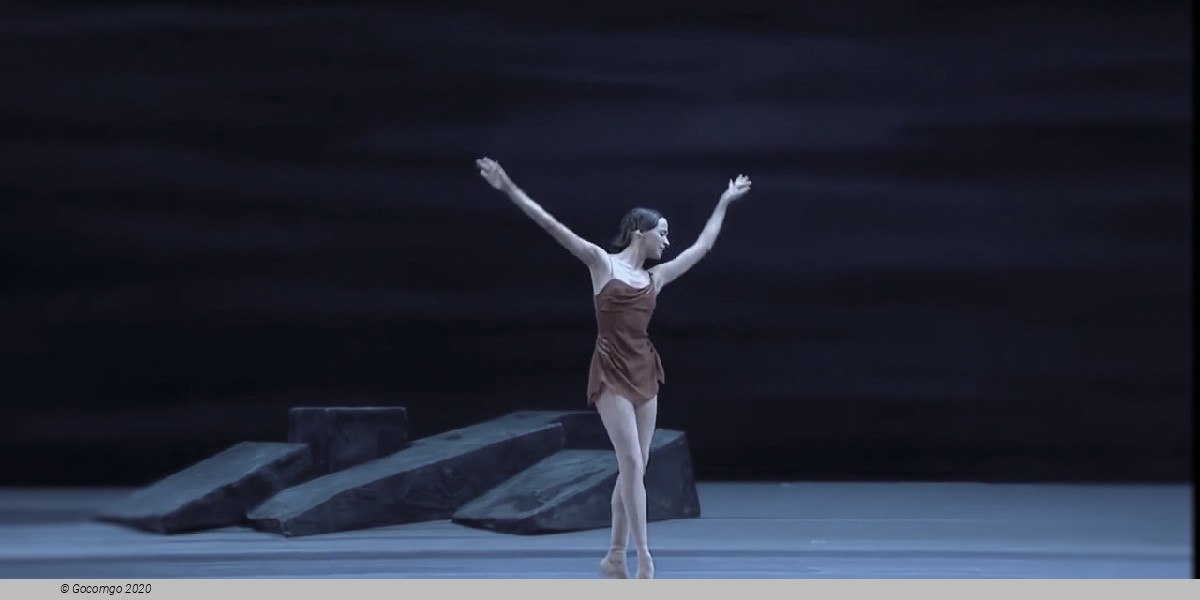
Finally, Spartacus delights ballet enthusiasts with the largest number of soloists in a production. There are six in total, each with their own character, complex steps, and unique colors, making the ballet a spectacular visual and emotional experience.

Fifty years ago, the Bolshoi Theater hosted the premiere of the ballet Aram Khachaturian by the Soviet composer Spartak staged by Yuri Grigorovich. By that time, Igor Moiseev and Leonid Yakobson had already presented their stage incarnations of this score. However, it was “Spartak” of Grigorovich that became the hallmark of the theater and the Soviet ballet as a whole.

History
Premiere of this production: 27 December 1956, Kirov Theatre, Leningrad

Spartacus is a ballet by Aram Khachaturian (1903–1978). The work follows the exploits of Spartacus, the leader of the slave uprising against the Romans known as the Third Servile War, although the ballet's storyline takes considerable liberties with the historical record.

Synopsis

Act I
The Roman consul Crassus returns to Rome from his latest conquests in a triumphal procession. Among his captives are the Thracian king Spartacus and his wife Phrygia. Spartacus laments his captivity and bids a bitter farewell to Phrygia, who is taken off to join Crassus’ harem of concubines. To entertain Crassus and his entourage, Spartacus is sent into the gladiatorial ring and is forced to kill a close friend. Horrified at his deed, Spartacus incites his fellow captives to rebellion.

Act II
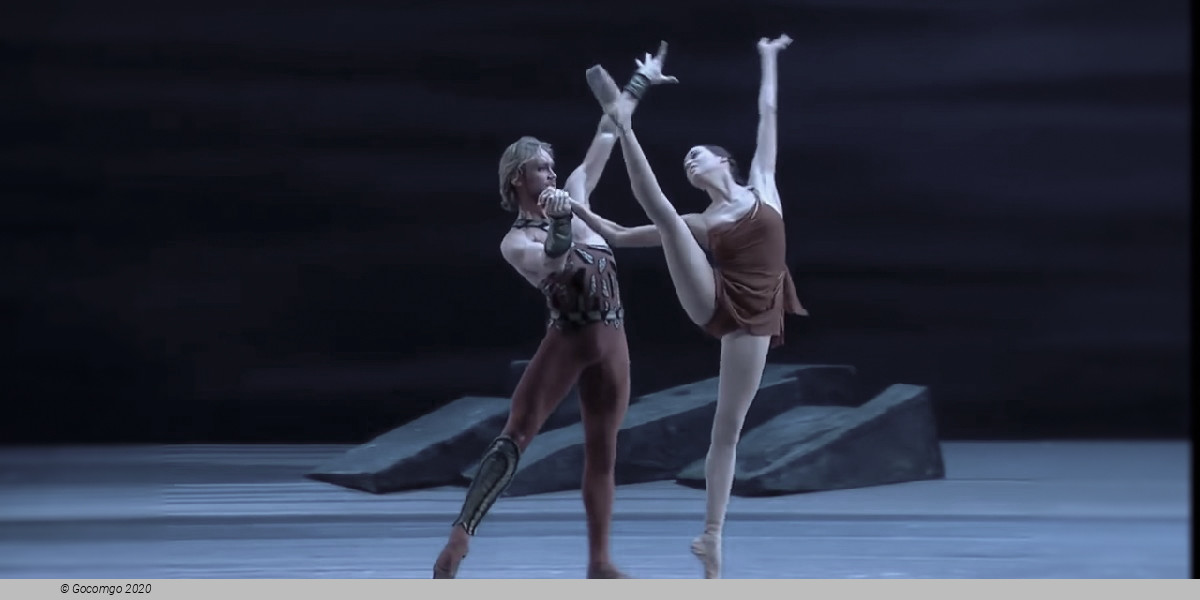
The escaped captives celebrate their freedom. Meanwhile, Crassus entertains the Roman patricians with lavish entertainment. Spartacus and the other escaped captives disrupt the orgy and rescue the slave women, including Phrygia. Aegina insists that Crassus pursue the slave army immediately. The lovers celebrate their escape to the "Adagio of Spartacus and Phrygia".

Act III
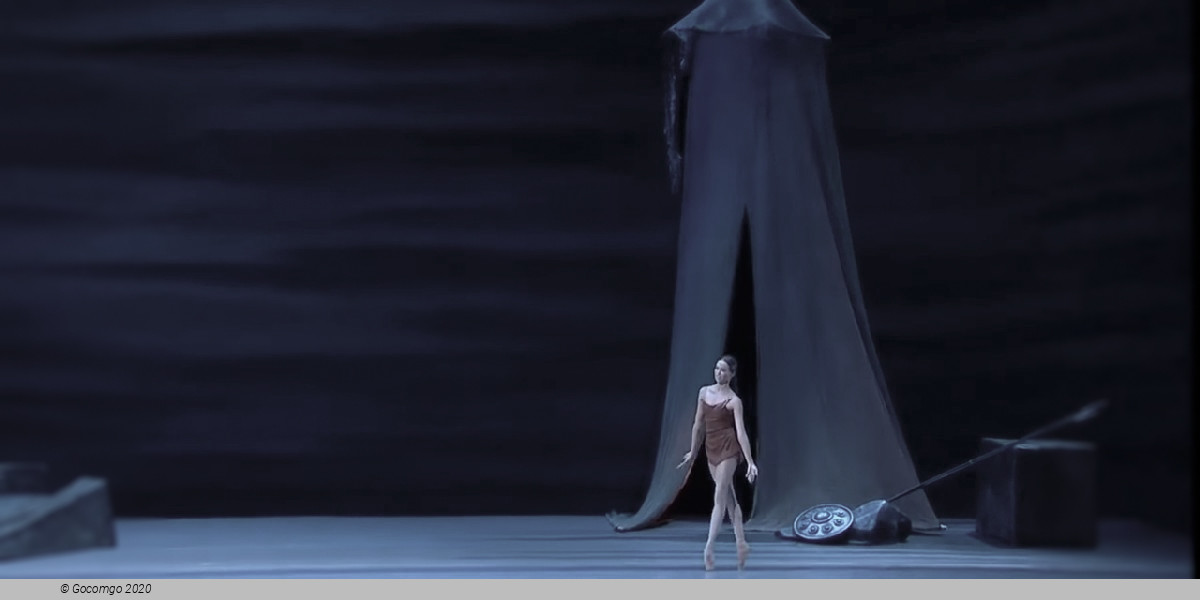
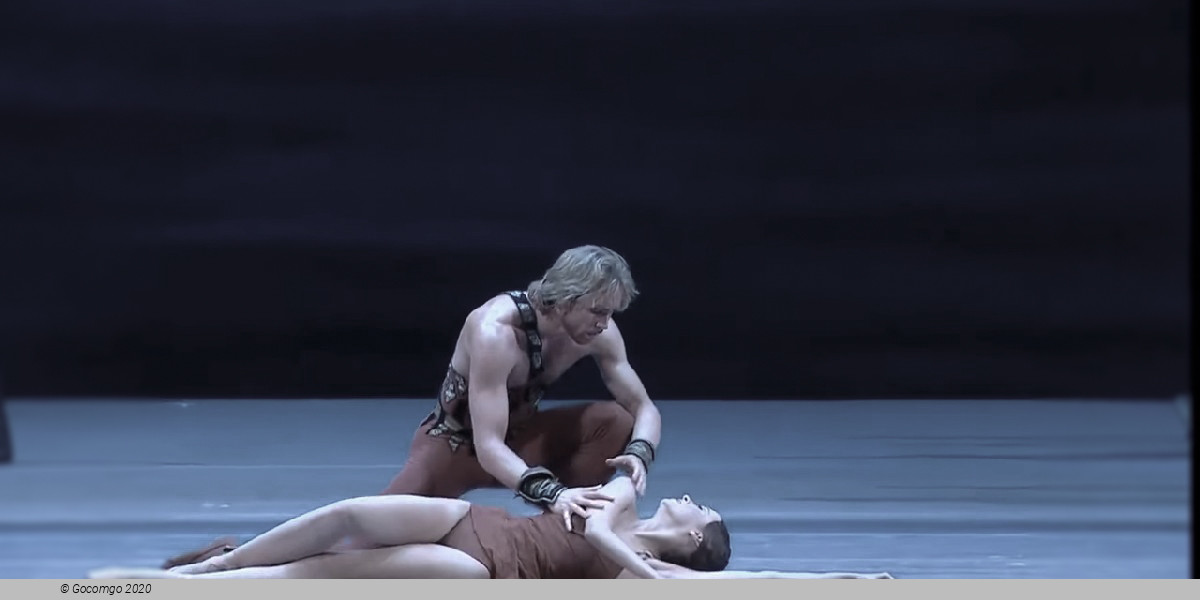
Aegina discovers Spartacus’s camp and observes the lovers emerging from their tent the next morning. Aegina sends word to Crassus, who sends his army in pursuit. Internecine struggles break out among Spartacus’s forces. Finally, Crassus’s forces discover Spartacus and impale him upon their spears. Spartacus’s closest followers recover his body and carry it off while Phrygia mourns her loss.

Venue Info

RAMT - Moscow
Location   Teatralnaya Square, 2

RAMT is the traditional home of the Summer Ballet Seasons. It is located in a grand historical building at the heart of Moscow – Teatralnaya Square, right next to the Bolshoi and Maly Theaters. The stage remembers performances of Zimin Private Opera (where Fyodor Shalyapin appeared regularly in 1907), Moscow Art Theatre the Second run by Mikhail Chekhov, and many other famous theater companies.

In 1871, on the Theater Square, to the left of the Bolshoi Theater and opposite the building of the Malyi Theater, architects F. Shestakov and O.Bove built the house of Major General K.M. Poltoratsky. This house quickly became one of the centers of Moscow's cultural life: it was a place where the balls drew the creme de la creme of Moscow's high society, and it was frequented by the owner's niece Anna Kern.

In 1840 the house was bought by the merchant P.A. Bronnikov. Between 1869 and 1882 the merchant rented the second floor to the theater of Moscow's "Artistic circle". This group of prominent literary men and artists was established by playwright Alexander Ostrovsky. The "Artistic Circle" theater was one of Russia's first private theaters.

In 1882 the building was rented out by the famous actor, director and entrepreneur M.V. Leontovsky. He hired architect B.Freidenberg to reconstruct the house, changing it significantly. The building has been preserved pretty much unchanged to this day. Leontovsky, who was a student of M.S. Tschepkin, strove to create an exemplary drama theater with a diverse repertoire that would combine operetta, extravaganza and the art of drama. Such theater was opened on December 29, 1882, but it did not last long.

In September 1898 the building became a home to the Imperial New Theater, which lent its stage to the youth troupes of Bolshoi and Malyi theaters. The young actors' troupe of the Malyi Theater was headed by the actor, director and pedagogue A.N. Lensky.

In the beginning of the 20th century the stage housed performances by the private opera of S.I. Zimin. In 1909 the building was rented out by a well-known entrepreneur, director and actor K.N. Nezlobin.

In 1920s the opera and ballet performances of Bolshoi Theater took place in this building. In the fall of 1924 the First Studio of the Art Theater was given the name of MKhAT (Moscow Art Academic Theater). The new theater was given the building on Theater Square. It lasted until 1936.

Starting in 1936 the building houses the Central Children's Theater that was established in 1921 by Natalia Satz. It has started the professional careers of Anatoly Efros, Georgy Tovstonogov, Oleg Efremov, Viktor Rozov, Valentina Sperantova and many others.
In 1992 the theater was given a new name – Russian Academic Youth Theater.

The project's mission is to keep Russian ballet's rich traditions, an important part of Russia's cultural heritage. Another, equally important, goal is to attract the mass audience to the art of ballet. The Seasons organizers are in constant search of new professional troupes and brightest performers, preserving continuity of generations in the Art of Dance.

Important Info
Type: Ballet
City: Moscow, Russia
Starts at: 19:00
Top of page