
RAMT tickets 16 July 2026 - Coppélia | GoComGo.com

Coppélia

RAMT, Moscow, Russia
All photos (7)
Select date and time
7 PM
Request for Tickets
Important Info
Type: Ballet
City: Moscow, Russia
Starts at: 19:00

E-tickets: Print at home or at the box office of the event if so specified. You will find more information in your booking confirmation email.

You can only select the category, and not the exact seats.
If you order 2 or 3 tickets: your seats will be next to each other.
If you order 4 or more tickets: your seats will be next to each other, or, if this is not possible, we will provide a combination of groups of seats (at least in pairs, for example 2+2 or 2+3).

Cast
Creators
Choreographer: Pierre Lacotte
Composer: Léo Delibes
Choreographer: Arthur Saint-Léon
Librettist: Charles-Louis-Étienne Nuitter
Author: Ernst Theodor Amadeus Hoffmann
Overview

"Coppélia" is often called the last French Romantic ballet. The famous choreographer George Balanchine noted that if Giselle is recognized as the greatest tragedy in ballet history, then Coppélia is the greatest ballet comedy.

The story is based on a tale by E. T. A. Hoffmann. It tells of a young man who falls in love with a mechanical doll. Interestingly, this story feels especially relevant today, as artificial ideals of beauty have become so popular worldwide.

The dance in this ballet combines the traditions of French, Italian, and Russian classical choreography. As always in the productions of Natalia Kasatkina and Vladimir Vasiliev, this beautiful historic ballet takes on a fresh, dynamic, and captivating form. The vintage choreography is not only carefully preserved but also skillfully adapted. Meanwhile, the new dances are bright, inventive, and full of energy.

Ever since its first performance, Coppélia has retained its status as one of the most masterful works of the ballet genre, owing to the compelling quality of both Arthur Saint-Léon’s original choreography and Léo Delibes’ music. Pierre Lacotte, choreographer and “dance archaeologist”, restored the work in 1973, including parts that had been deleted in 1872. His picturesque version won lasting success in Paris and is now part of the Wiener Staatsballett’s repertoire.

History
Premiere of this production: 25 May 1870, Théâtre Impérial l Opéra, Paris

Coppélia is a comic ballet originally choreographed by Arthur Saint-Léon to the music of Léo Delibes, with libretto by Charles-Louis-Étienne Nuitter. Nuitter's libretto and mise-en-scène was based upon two stories by E. T. A. Hoffmann: Der Sandmann (The Sandman) and Die Puppe (The Doll).

Synopsis

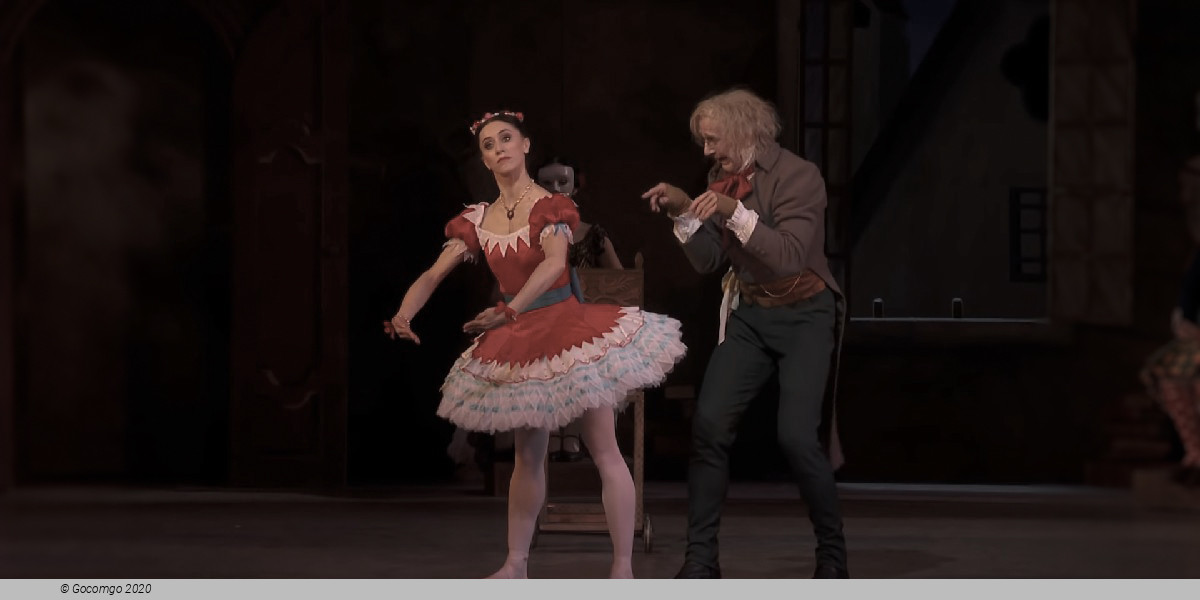
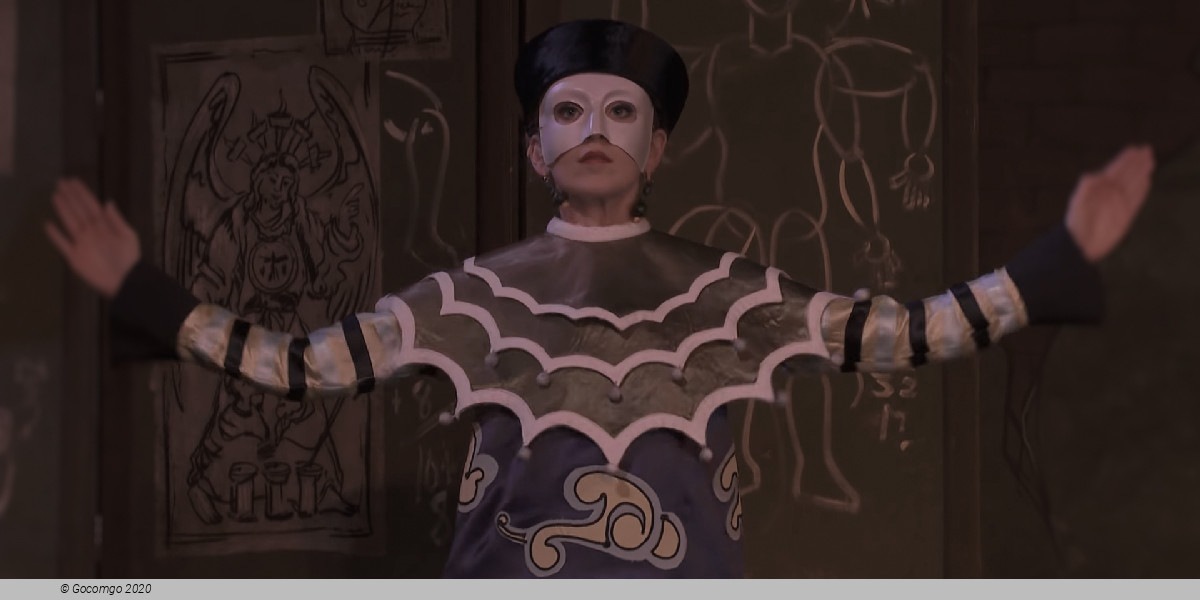
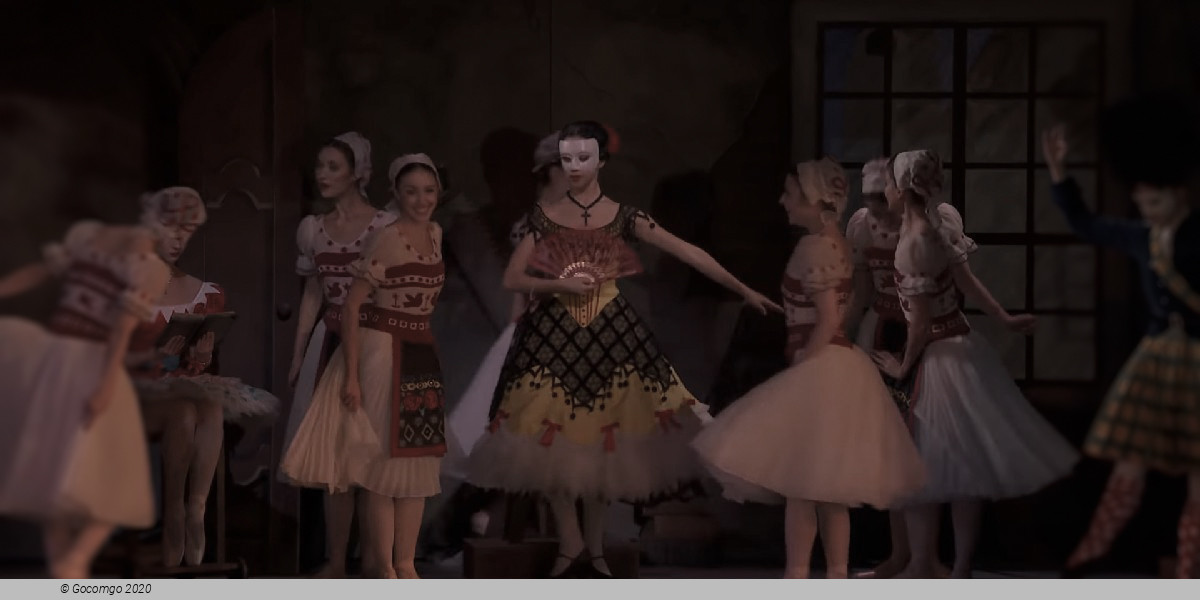
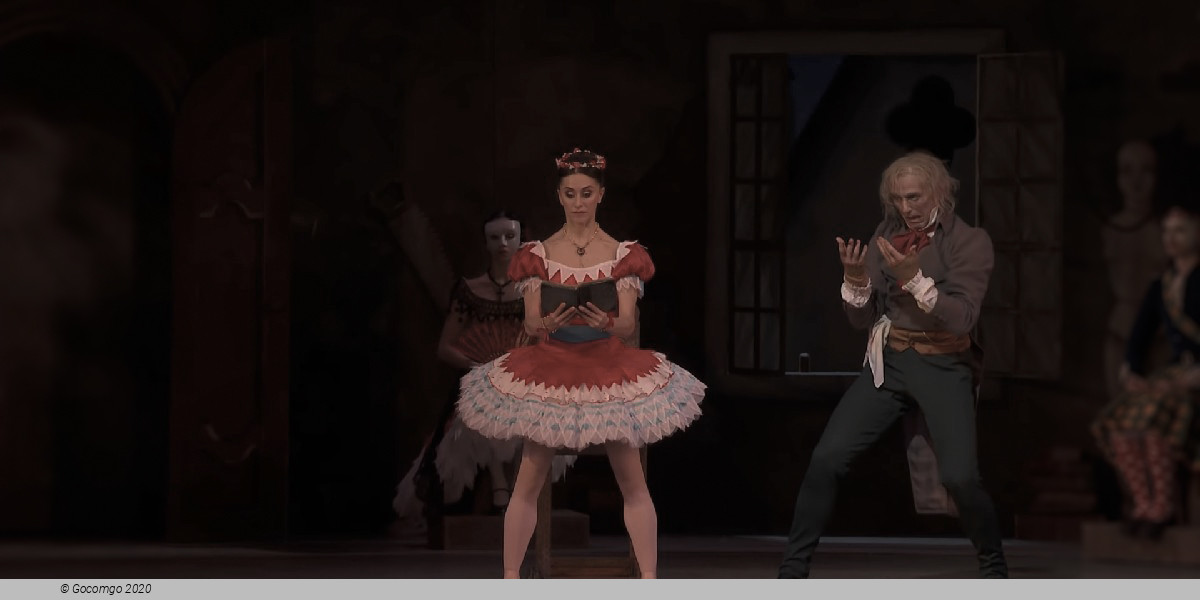
Dr. Coppélius is a doctor who has made a life-size dancing doll. It is so lifelike that Franz, a village youth, becomes infatuated with it and sets aside his heart's true desire, Swanhilda. She shows him his folly by dressing as the doll, pretending to make it come to life and ultimately saving him from an untimely end at the hands of the inventor.

Act I
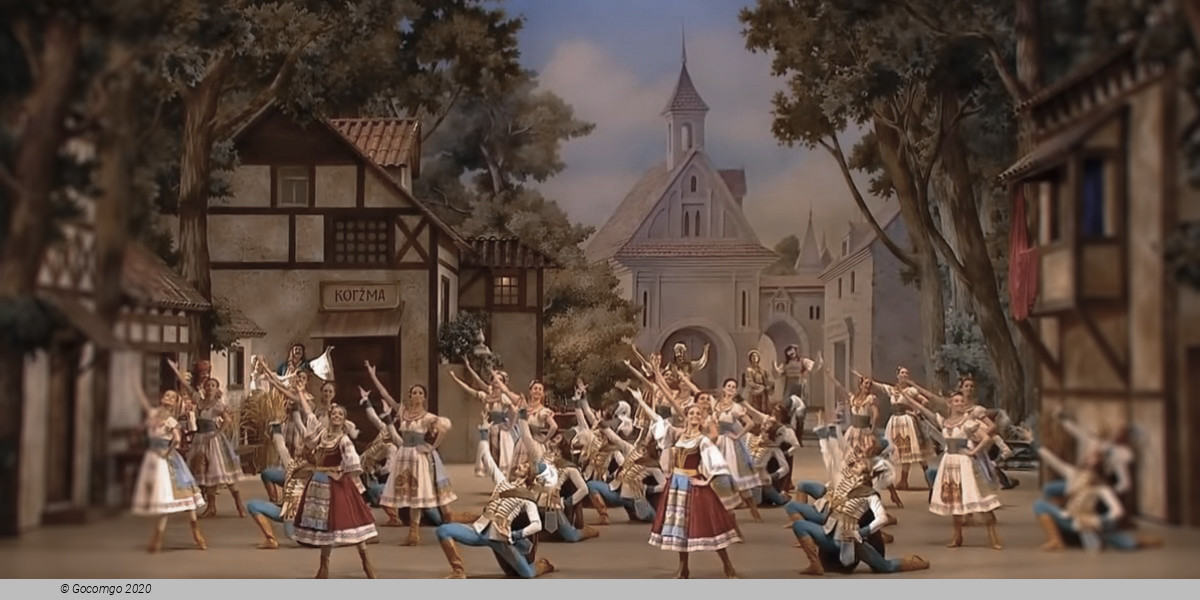
The story begins during a town festival to celebrate the arrival of a new bell. The town crier announces that, when it arrives, anyone who becomes married will be awarded a special gift of money. Swanilda and Franz plan to marry during the festival. However, Swanilda becomes unhappy with Franz because he seems to be paying more attention to a girl named Coppélia, who sits motionless on the balcony of a nearby house. The house belongs to a mysterious and faintly diabolical inventor, Doctor Coppélius. Although Coppélia spends all of her time sitting motionless and reading, Franz is mesmerized by her beauty and is determined to attract her attention. Still upset with Franz, Swanilda shakes an ear of wheat to her head: if it rattles, then she will know that Franz loves her. Upon doing this, however, she hears nothing. When she shakes it by Franz's head, he also hears nothing; but then he tells her that it rattles. However, she does not believe him and runs away heartbroken.

Later on, Dr. Coppelius leaves his house and is heckled by a group of boys. After shooing them away, he continues on without realizing that he has dropped his keys in the melée. Swanilda finds the keys, which gives her the idea of learning more about Coppélia. She and her friends decide to enter Dr. Coppelius' house. Meanwhile, Franz develops his own plan to meet Coppélia, climbing a ladder to her balcony.

Act II
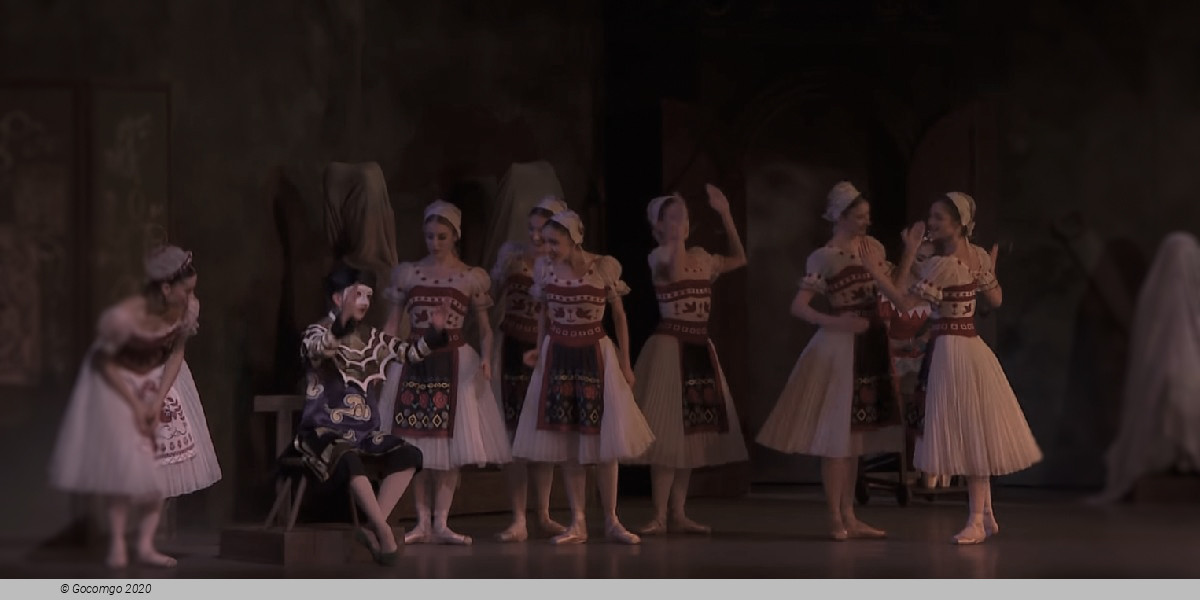
Swanilda and her friends find themselves in a large room filled with people. However, the occupants aren't moving. The girls discover that, rather than people, these are life-size mechanical dolls. They quickly wind them up and watch them move. Swanilda also finds Coppélia behind a curtain and discovers that she, too, is a doll.

Dr. Coppelius returns home to find the girls. He becomes angry with them, not only for trespassing but for also disturbing his workroom. He kicks them out and begins cleaning up the mess. However, upon noticing Franz at the window, Coppélius invites him in. The inventor wants to bring Coppélia to life but, to do that, he needs a human sacrifice. With a magic spell, he will take Franz's spirit and transfer it to Coppélia. After Dr. Coppelius proffers him some wine laced with sleeping powder, Franz begins to fall asleep. The inventor then readies his magic spell.

However, Dr. Coppelius did not expel all the girls: Swanilda is still there, hidden behind a curtain. She dresses up in Coppélia's clothes and pretends that the doll has come to life. She wakes Franz and then winds up all the mechanical dolls to aid their escape. Dr. Coppelius becomes confused and then saddened when he finds a lifeless Coppélia behind the curtain.

(Note: In some Russian versions of the ballet, after getting caught, Swanhilda confesses to Dr. Coppelius about what she and her friends did and her situation with Franz. Coppelius decides to forgive Swanhilda and teach her how to act like a doll coming to life to fool Franz, thus ending Act 2 on a happier note.)

Act III
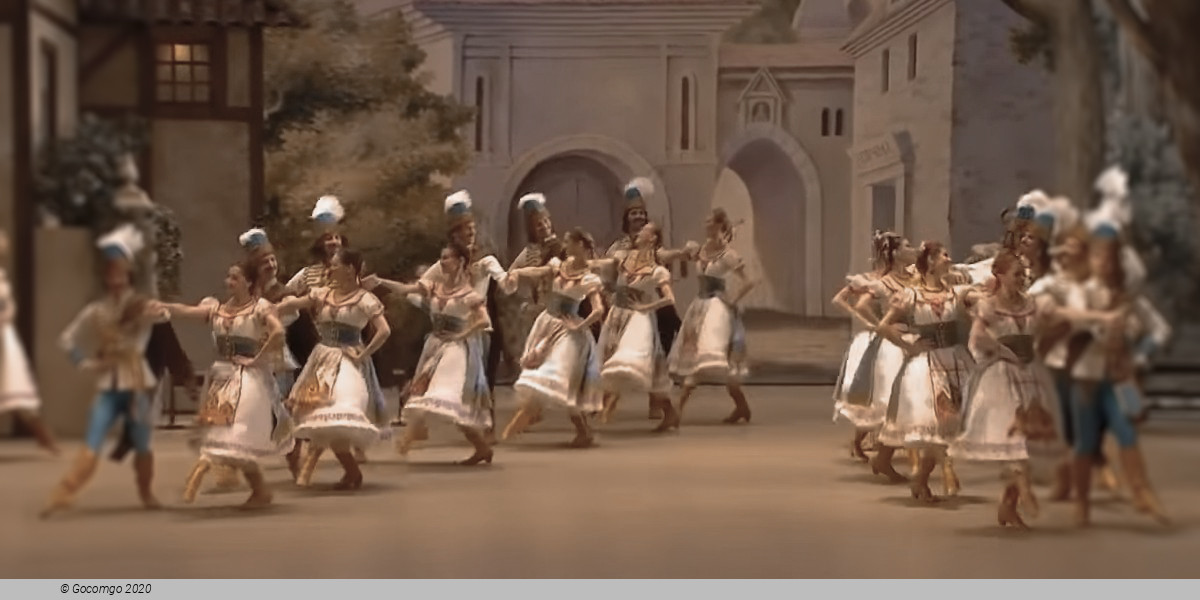
Swanilda and Franz are about to make their wedding vows when the angry Dr. Coppelius appears, claiming damages. Dismayed at having caused such an upset, Swanilda offers Dr. Coppelius her dowry in return for his forgiveness. However, Franz tells Swanilda to keep her dowry and offers to pay Dr. Coppelius instead. At that point, the mayor intervenes and gives Dr. Coppelius a bag of money, which placates him. Swanilda and Franz are married and the entire town celebrates by dancing.

Venue Info

RAMT - Moscow
Location   Teatralnaya Square, 2

RAMT is the traditional home of the Summer Ballet Seasons. It is located in a grand historical building at the heart of Moscow – Teatralnaya Square, right next to the Bolshoi and Maly Theaters. The stage remembers performances of Zimin Private Opera (where Fyodor Shalyapin appeared regularly in 1907), Moscow Art Theatre the Second run by Mikhail Chekhov, and many other famous theater companies.

In 1871, on the Theater Square, to the left of the Bolshoi Theater and opposite the building of the Malyi Theater, architects F. Shestakov and O.Bove built the house of Major General K.M. Poltoratsky. This house quickly became one of the centers of Moscow's cultural life: it was a place where the balls drew the creme de la creme of Moscow's high society, and it was frequented by the owner's niece Anna Kern.

In 1840 the house was bought by the merchant P.A. Bronnikov. Between 1869 and 1882 the merchant rented the second floor to the theater of Moscow's "Artistic circle". This group of prominent literary men and artists was established by playwright Alexander Ostrovsky. The "Artistic Circle" theater was one of Russia's first private theaters.

In 1882 the building was rented out by the famous actor, director and entrepreneur M.V. Leontovsky. He hired architect B.Freidenberg to reconstruct the house, changing it significantly. The building has been preserved pretty much unchanged to this day. Leontovsky, who was a student of M.S. Tschepkin, strove to create an exemplary drama theater with a diverse repertoire that would combine operetta, extravaganza and the art of drama. Such theater was opened on December 29, 1882, but it did not last long.

In September 1898 the building became a home to the Imperial New Theater, which lent its stage to the youth troupes of Bolshoi and Malyi theaters. The young actors' troupe of the Malyi Theater was headed by the actor, director and pedagogue A.N. Lensky.

In the beginning of the 20th century the stage housed performances by the private opera of S.I. Zimin. In 1909 the building was rented out by a well-known entrepreneur, director and actor K.N. Nezlobin.

In 1920s the opera and ballet performances of Bolshoi Theater took place in this building. In the fall of 1924 the First Studio of the Art Theater was given the name of MKhAT (Moscow Art Academic Theater). The new theater was given the building on Theater Square. It lasted until 1936.

Starting in 1936 the building houses the Central Children's Theater that was established in 1921 by Natalia Satz. It has started the professional careers of Anatoly Efros, Georgy Tovstonogov, Oleg Efremov, Viktor Rozov, Valentina Sperantova and many others.
In 1992 the theater was given a new name – Russian Academic Youth Theater.

The project's mission is to keep Russian ballet's rich traditions, an important part of Russia's cultural heritage. Another, equally important, goal is to attract the mass audience to the art of ballet. The Seasons organizers are in constant search of new professional troupes and brightest performers, preserving continuity of generations in the Art of Dance.

Important Info
Type: Ballet
City: Moscow, Russia
Starts at: 19:00
Top of page