
RAMT tickets 27 August 2026 - Russian Seasons Ballets: Scheherazade. Chopiniana. Polovtsian Dances | GoComGo.com

Russian Seasons Ballets: Scheherazade. Chopiniana. Polovtsian Dances

RAMT, Moscow, Russia
All photos (7)
Select date and time
7 PM
Request for Tickets
Important Info
Type: Ballet
City: Moscow, Russia
Starts at: 19:00

E-tickets: Print at home or at the box office of the event if so specified. You will find more information in your booking confirmation email.

You can only select the category, and not the exact seats.
If you order 2 or 3 tickets: your seats will be next to each other.
If you order 4 or more tickets: your seats will be next to each other, or, if this is not possible, we will provide a combination of groups of seats (at least in pairs, for example 2+2 or 2+3).

Cast
Creators
Composer: Alexander Glazunov
Composer: Alexandre Borodine
Composer: Frédéric Chopin
Composer: Nikolai Rimsky-Korsakov
Choreographer: Michel Fokine
Overview

The Natalia Sats Children’s Musical Theater presents masterpieces by the world-renowned choreographer Mikhail Fokin: Scheherazade, Chopiniana, and Polovtsian Dances. These ballets were first performed a century ago during Sergei Diaghilev’s “Russian Seasons” in Paris, and have now been revived in the 21st century by choreographer Andris Liepa.

"We did not undertake this production to be better than Mikhail Fokin, but to remain in the spirit of his innovation. Fokin, in addition to his undeniable genius as a classical choreographer, was always a pioneer, searching for new ways to combine different stage arts. I am thrilled to present a new realization of my twenty-year dream and work. Not a day goes by when I do not think about the 'Russian Seasons,' their creators, and participants," says Andris Liepa.

Costumes and sets for this project were recreated by Anna and Anatoly Nezhny:
"For us, this is an iconic project," says Anna Nezhny. "But it would be wrong to call it merely a restoration. Although many sketches survive, the materials for Fokin’s original designs were far from complete. For us, this is more of an acting work and a reconstruction of the legendary artists’ ideas, who, like all true innovators, were ahead of their time."

Scheherazade

Music: Nikolai Rimsky-Korsakov
Choreography: Mikhail Fokin
Revival: People’s Artist of Russia Andris Liepa
Set & Costume Designers: Anatoly Nezhny and Anna Nezhny, based on Léon Bakst sketches

Scheherazade is based on the symphonic poem by Rimsky-Korsakov, inspired by the tales from One Thousand and One Nights, specifically “The Story of King Shahryar and His Brother”. Fokin staged the ballet in 1910 for Diaghilev’s company, featuring Ida Rubinstein and Vaslav Nijinsky in the lead roles.

The ballet tells the story of how Queen Scheherazade saved the lives of Shahryar’s young wives by telling him her tales. It became a landmark in the history of dance, a revolutionary choreographic work full of passion and emotion, as daring as the early 20th-century theater could allow.

Chopiniana

Music: Frédéric Chopin, orchestrated by Alexander Glazunov
Choreography: Mikhail Fokin
Revival: People’s Artist of Russia Andris Liepa
Set & Costume Designer: Anna Nezhny, based on Alexander Benois sketches

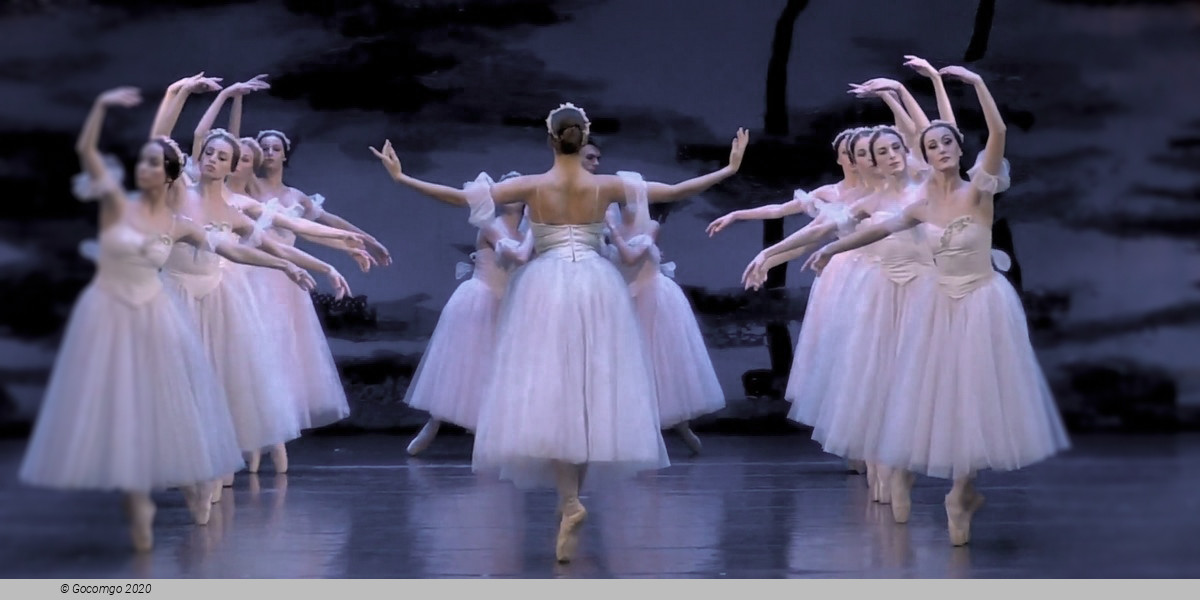
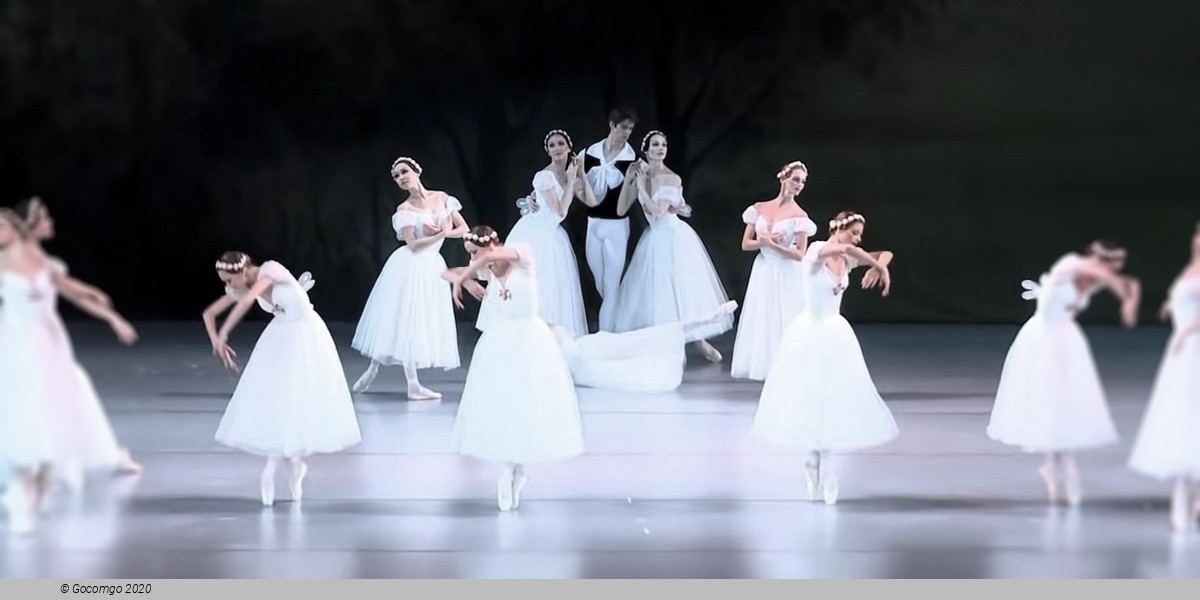
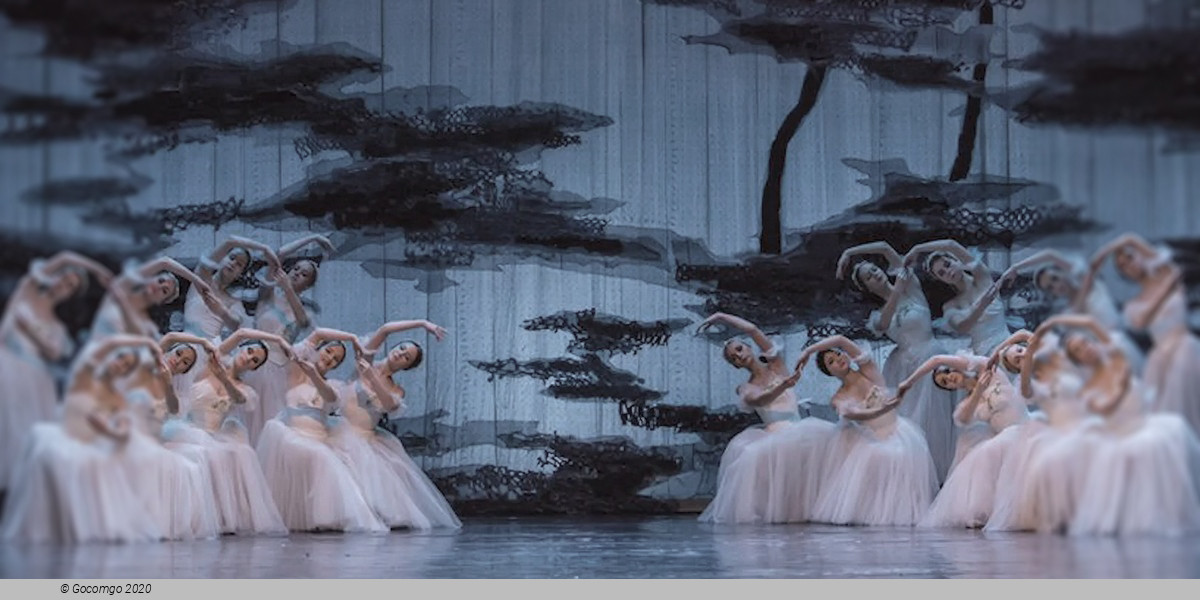
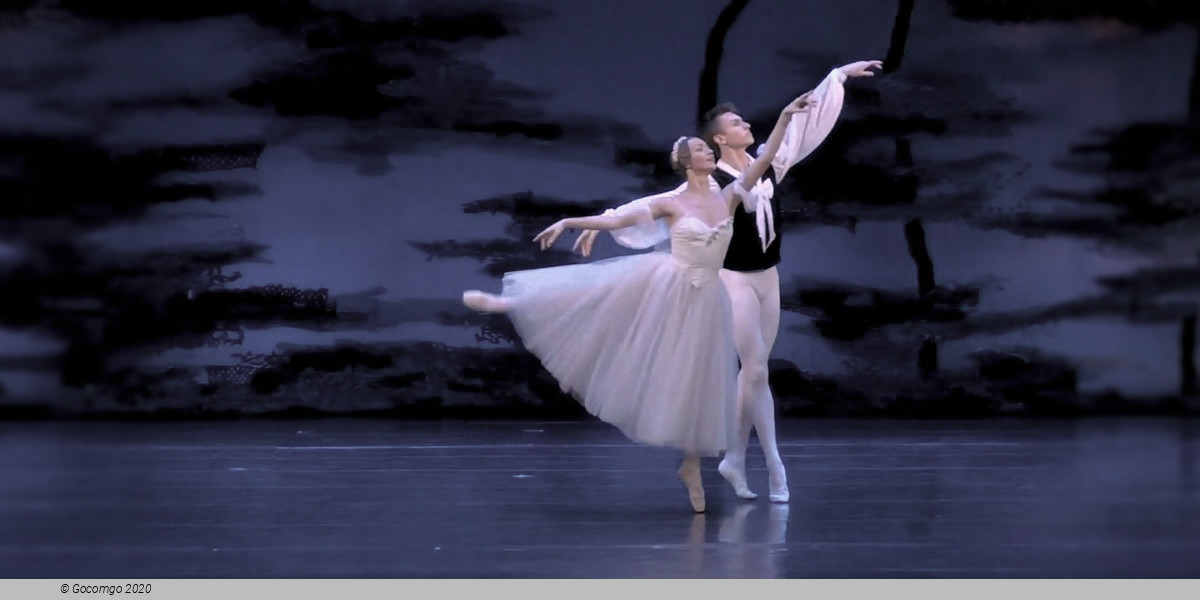
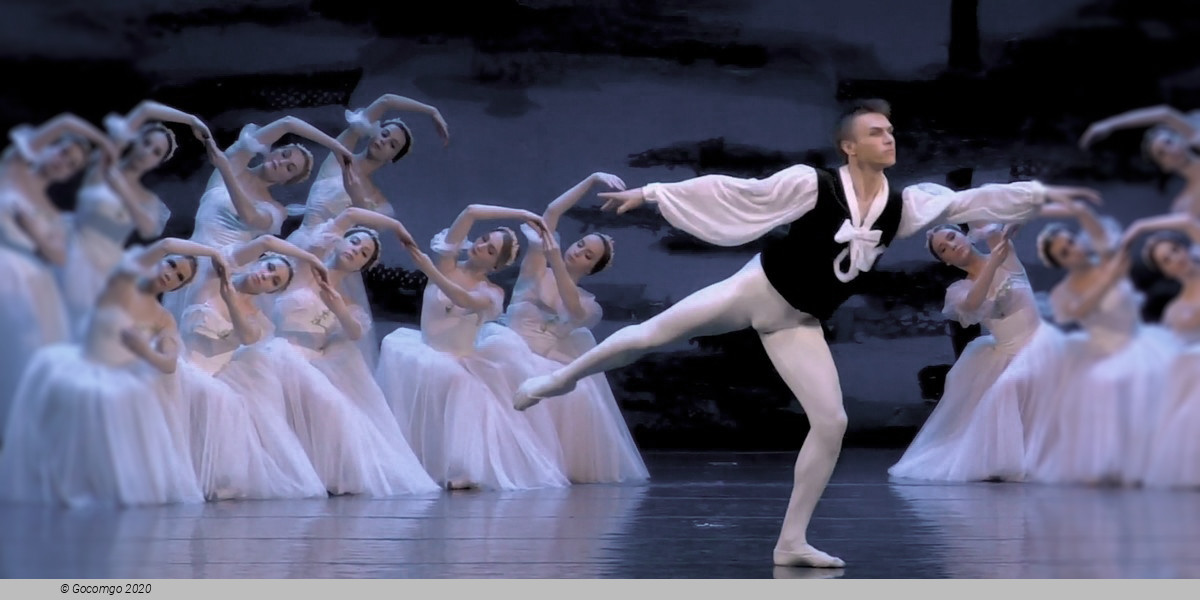
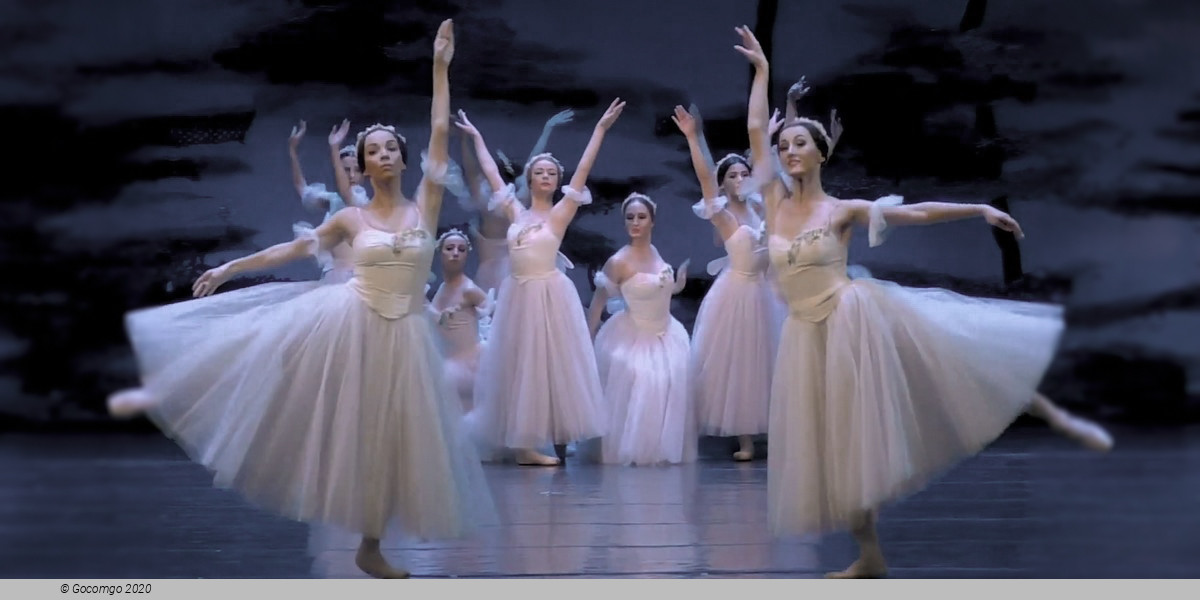
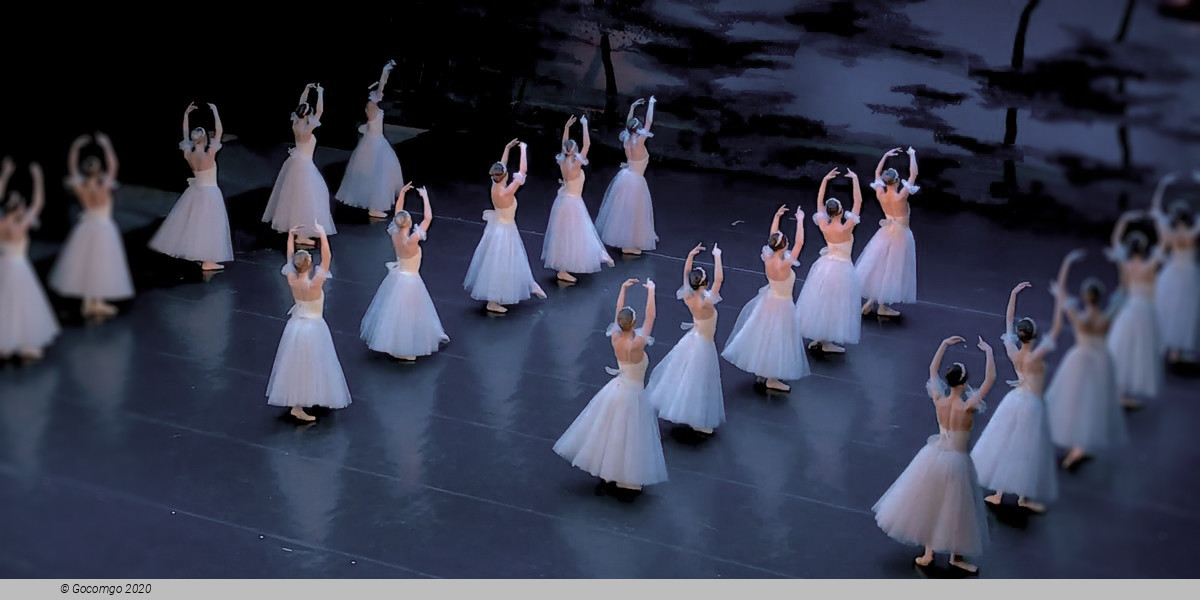
Chopiniana evokes the romantic dreams of the poet. Ethereal sylphs dance to piano pieces by Chopin, orchestrated by Glazunov. The ballet emphasizes simplicity in movement, as if the dancers perform for themselves rather than for the audience. Fokin first staged Chopiniana in 1907 at the Mariinsky Theatre, and the second version premiered at Diaghilev’s Russian Seasons in 1909, featuring Tamara Karsavina, Anna Pavlova, and Vaslav Nijinsky. Additional arrangements for the Paris premiere were made by George Gershwin, Sergei Taneyev, and Anatoly Lyadov.

Polovtsian Dances

Music: Alexander Borodin
Choreography: Mikhail Fokin
Revival: People’s Artist of Russia Andris Liepa
Set & Costume Designer: Anna Nezhny, based on Nicholas Roerich sketches

The ballet segment from Act II of Borodin’s opera Prince Igor became an independent and immensely popular work shortly after the opera’s 1890 premiere at the Mariinsky Theatre. Fokin staged Polovtsian Dances for Diaghilev’s company in 1909.

In his memoirs, Fokin wrote:
"Where did my steps come from? I would say — from the music. I came with Borodin’s notes under my arm, and that was all my weapon. No one could stop me. Everything appeared clear to me, and I believed that if the Polovtsians danced, even imperfectly, they had to dance exactly like this under Borodin’s orchestra."

These dances soon became the pride of Diaghilev’s company and one of the greatest triumphs of Russian ballet.

Chopiniana, staged by Fokine, had a different musical composition. Also, Chopiniana was originally a compilation of dramatic or character dances set to Chopin's piano music. The Glazunov suite upon which this original version was based had only four Chopin pieces; Fokine wanted to use a waltz as an addition to the suite and was able to get Glazunov to orchestrate this to create his ballet, also called Chopiniana.

History
Premiere of this production: 30 November 1906, Mariinsky Theatre, Saint Petersburg, Russia

Chopiniana (Les Sylphides) is a short, non-narrative ballet blanc to piano music by Frédéric Chopin, selected and orchestrated by Alexander Glazunov.

Venue Info

RAMT - Moscow
Location   Teatralnaya Square, 2

RAMT is the traditional home of the Summer Ballet Seasons. It is located in a grand historical building at the heart of Moscow – Teatralnaya Square, right next to the Bolshoi and Maly Theaters. The stage remembers performances of Zimin Private Opera (where Fyodor Shalyapin appeared regularly in 1907), Moscow Art Theatre the Second run by Mikhail Chekhov, and many other famous theater companies.

In 1871, on the Theater Square, to the left of the Bolshoi Theater and opposite the building of the Malyi Theater, architects F. Shestakov and O.Bove built the house of Major General K.M. Poltoratsky. This house quickly became one of the centers of Moscow's cultural life: it was a place where the balls drew the creme de la creme of Moscow's high society, and it was frequented by the owner's niece Anna Kern.

In 1840 the house was bought by the merchant P.A. Bronnikov. Between 1869 and 1882 the merchant rented the second floor to the theater of Moscow's "Artistic circle". This group of prominent literary men and artists was established by playwright Alexander Ostrovsky. The "Artistic Circle" theater was one of Russia's first private theaters.

In 1882 the building was rented out by the famous actor, director and entrepreneur M.V. Leontovsky. He hired architect B.Freidenberg to reconstruct the house, changing it significantly. The building has been preserved pretty much unchanged to this day. Leontovsky, who was a student of M.S. Tschepkin, strove to create an exemplary drama theater with a diverse repertoire that would combine operetta, extravaganza and the art of drama. Such theater was opened on December 29, 1882, but it did not last long.

In September 1898 the building became a home to the Imperial New Theater, which lent its stage to the youth troupes of Bolshoi and Malyi theaters. The young actors' troupe of the Malyi Theater was headed by the actor, director and pedagogue A.N. Lensky.

In the beginning of the 20th century the stage housed performances by the private opera of S.I. Zimin. In 1909 the building was rented out by a well-known entrepreneur, director and actor K.N. Nezlobin.

In 1920s the opera and ballet performances of Bolshoi Theater took place in this building. In the fall of 1924 the First Studio of the Art Theater was given the name of MKhAT (Moscow Art Academic Theater). The new theater was given the building on Theater Square. It lasted until 1936.

Starting in 1936 the building houses the Central Children's Theater that was established in 1921 by Natalia Satz. It has started the professional careers of Anatoly Efros, Georgy Tovstonogov, Oleg Efremov, Viktor Rozov, Valentina Sperantova and many others.
In 1992 the theater was given a new name – Russian Academic Youth Theater.

The project's mission is to keep Russian ballet's rich traditions, an important part of Russia's cultural heritage. Another, equally important, goal is to attract the mass audience to the art of ballet. The Seasons organizers are in constant search of new professional troupes and brightest performers, preserving continuity of generations in the Art of Dance.

Important Info
Type: Ballet
City: Moscow, Russia
Starts at: 19:00
Top of page