



Opera de Monte-Carlo tickets 18 July 2026 - The Lady with the Camellias | GoComGo.com

The Lady with the Camellias

Opera de Monte-Carlo, Grimaldi Forum - Salle des Princes, Monaco, Monaco
All photos (11)
Select date and time
7:30 PM
From
US$ 146

E-tickets: Print at home or at the box office of the event if so specified. You will find more information in your booking confirmation email.

You can only select the category, and not the exact seats.
If you order 2 or 3 tickets: your seats will be next to each other.
If you order 4 or more tickets: your seats will be next to each other, or, if this is not possible, we will provide a combination of groups of seats (at least in pairs, for example 2+2 or 2+3).

Important Info
Type: Ballet
City: Monaco, Monaco
Starts at: 19:30
Intervals: 2
Duration: 2h 50min

E-tickets: Print at home or at the box office of the event if so specified. You will find more information in your booking confirmation email.

You can only select the category, and not the exact seats.
If you order 2 or 3 tickets: your seats will be next to each other.
If you order 4 or more tickets: your seats will be next to each other, or, if this is not possible, we will provide a combination of groups of seats (at least in pairs, for example 2+2 or 2+3).

Cast
Performers
Conductor: Markus Lehtinen
Piano: Frédéric Vaysse-Knitter
Piano: Michal Bialk
Orchestra: Orchestre Philharmonique de Monte-Carlo
Creators
Composer: Frédéric Chopin
Author: Alexandre Dumas (fils)
Choreography: John Neumeier
Overview

Presented as part of the Monaco Dance Forum, in co-production with the Grimaldi Forum Monaco.
 

True to its commitment to bring to Monaco companies that are almost impossible to see outside their place of residence, Monaco Dance Forum has invited one of the most prestigious in the world: the Paris Opera Ballet! Do we need to introduce this institution that has made excellence its trademark? The audience will have the chance to attend the performance of John Neumeier's legendary Dame aux Camélias to take the measure of the incredible quality of interpretation of its classical repertoire!

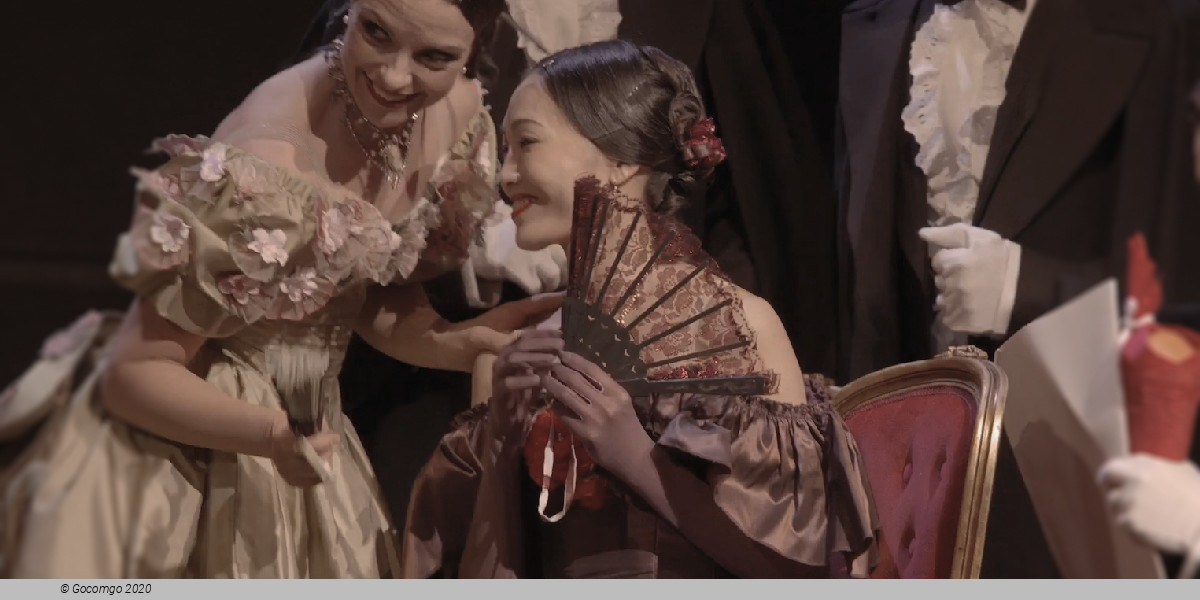
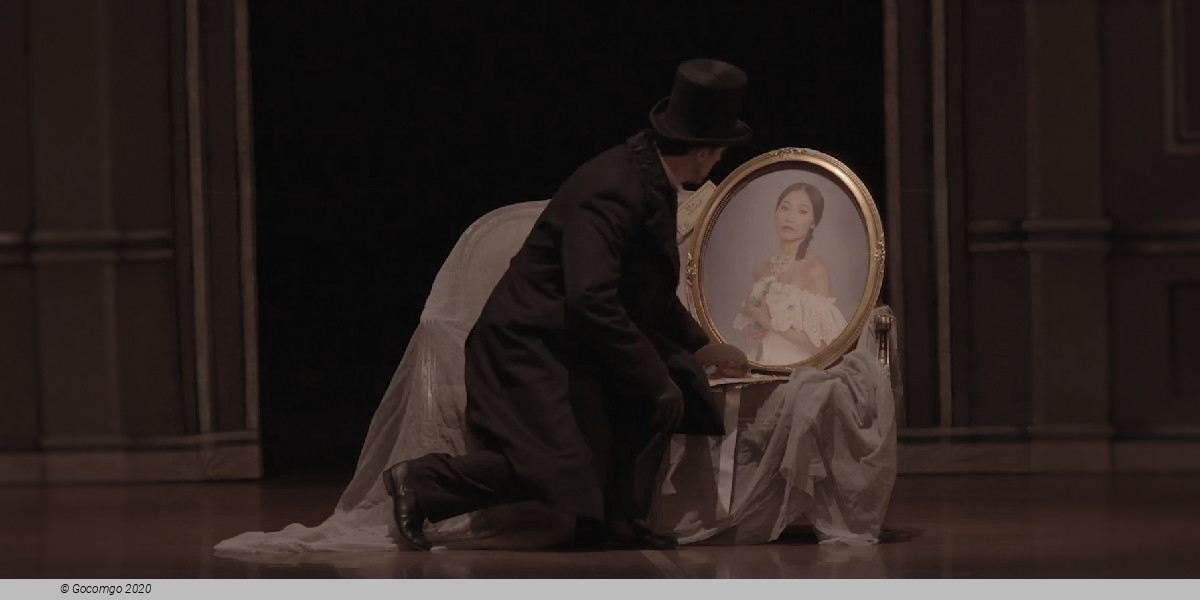
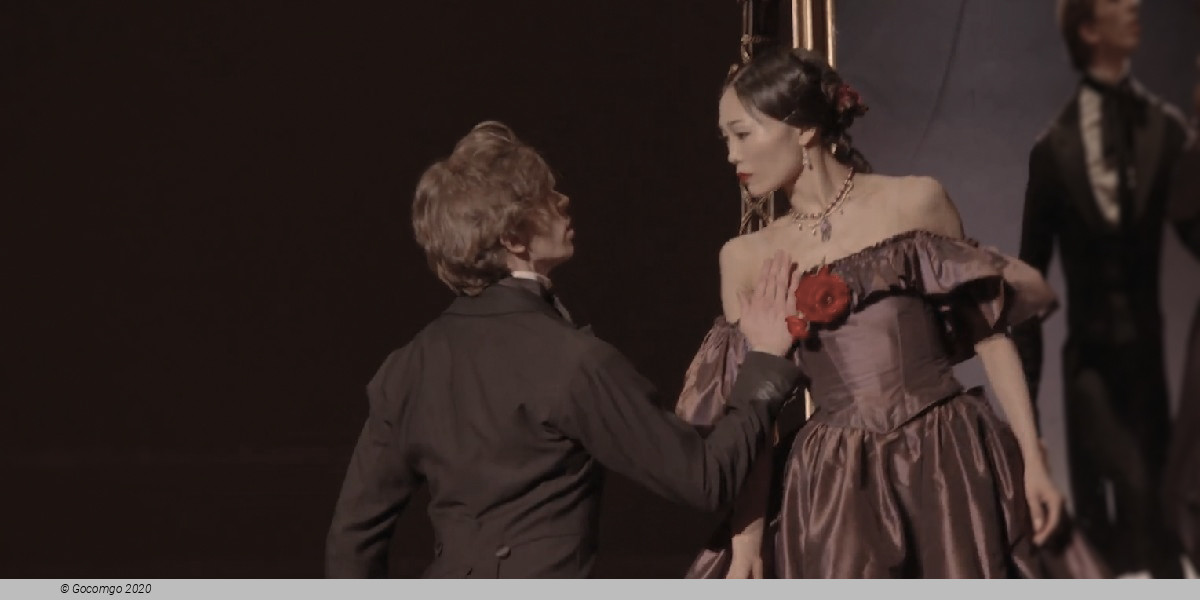
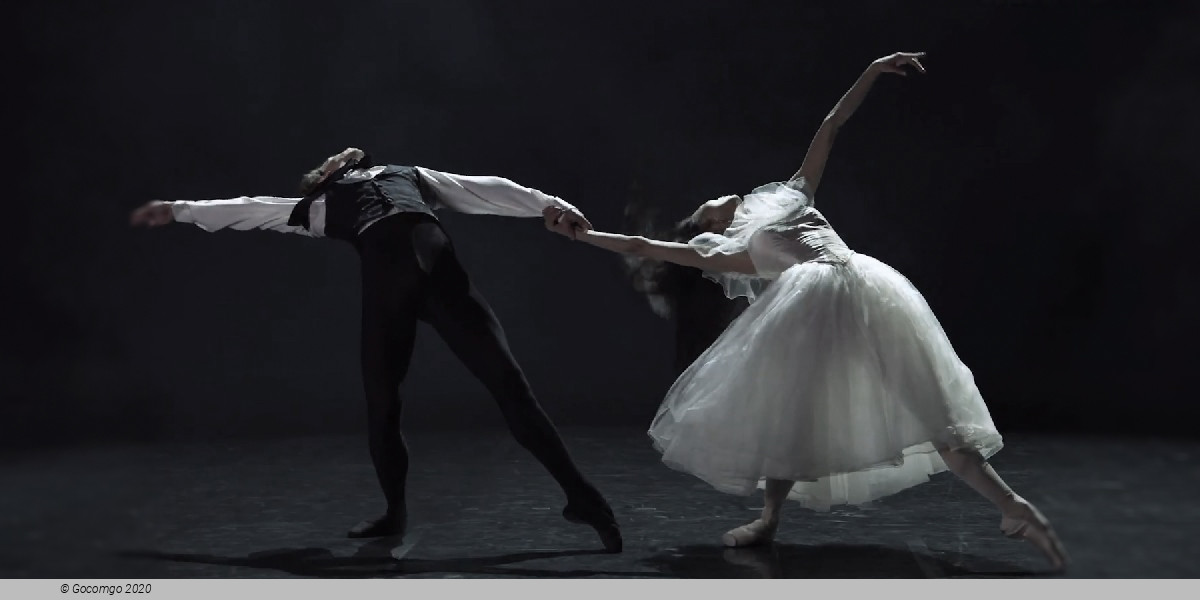
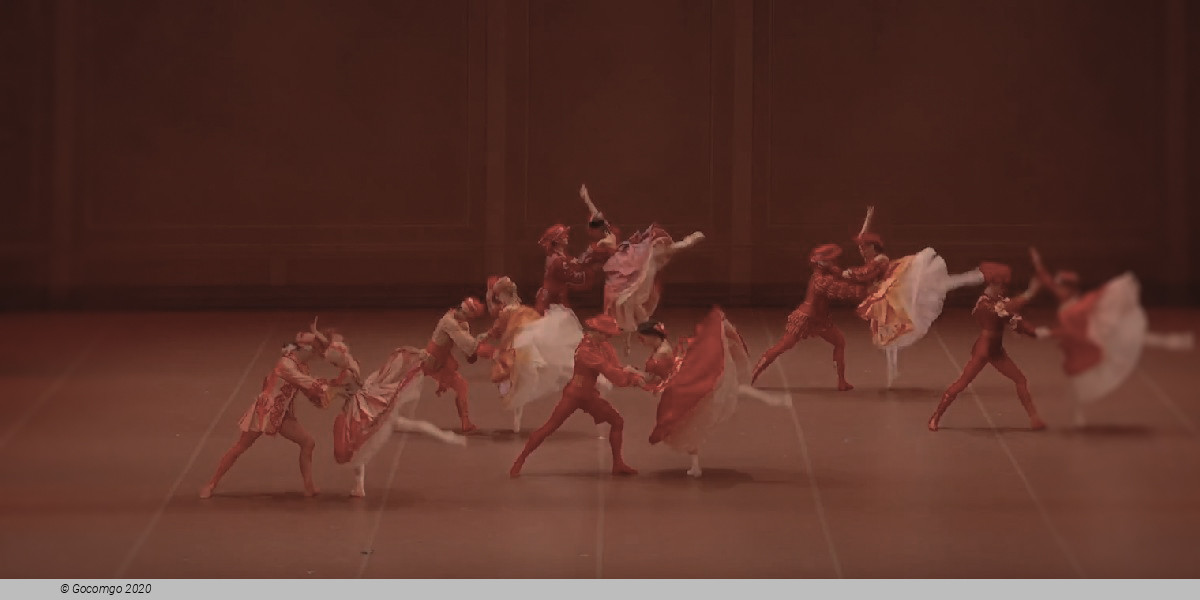
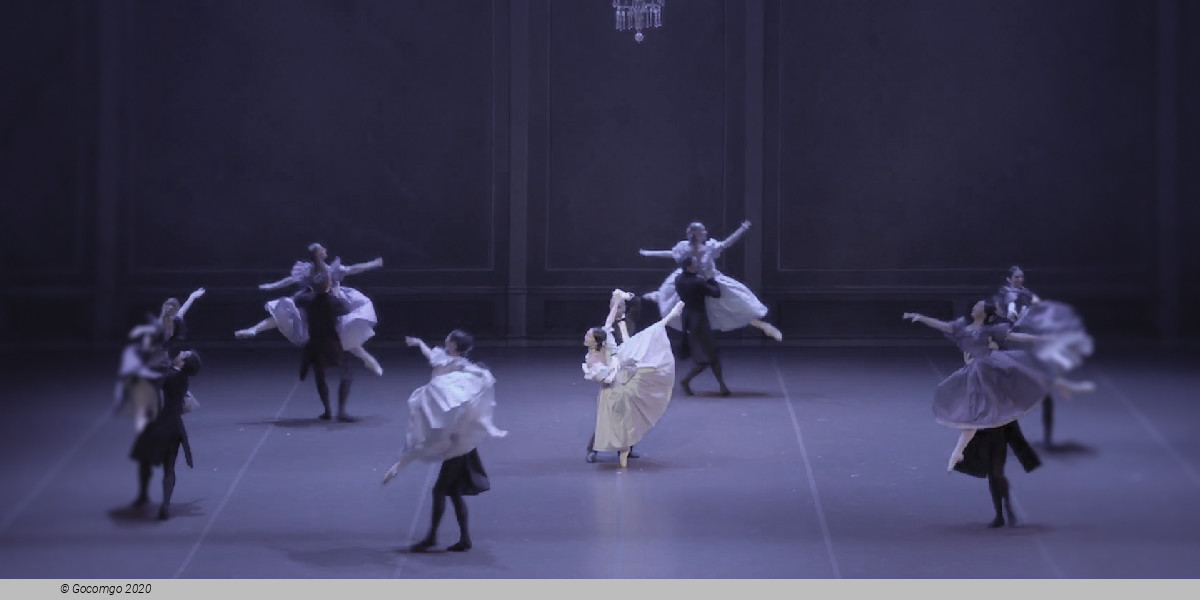
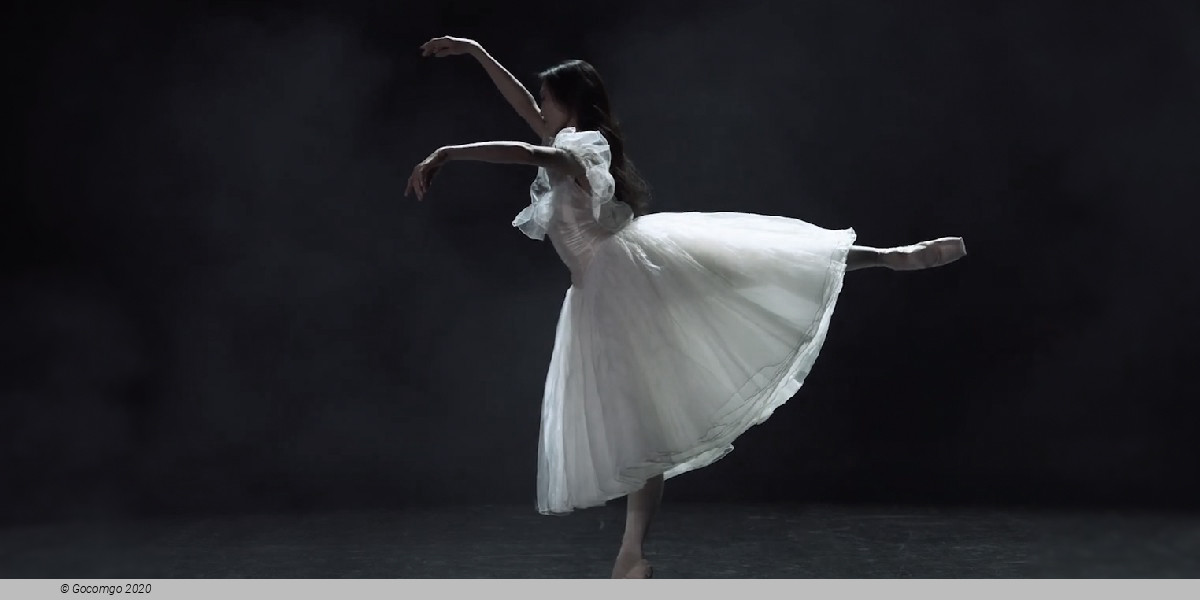
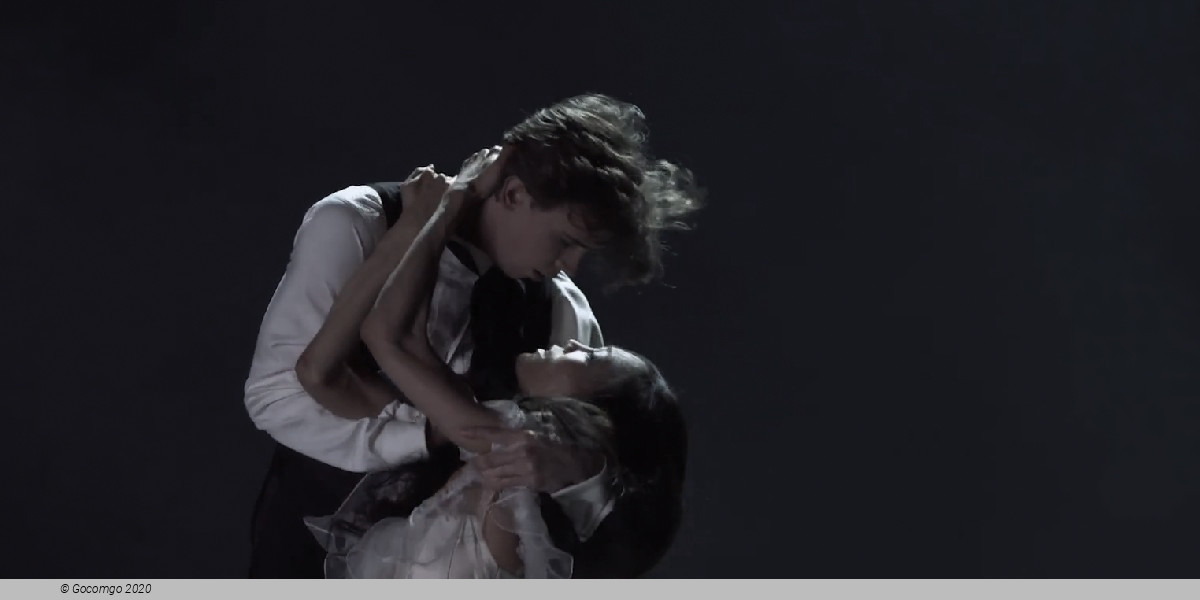
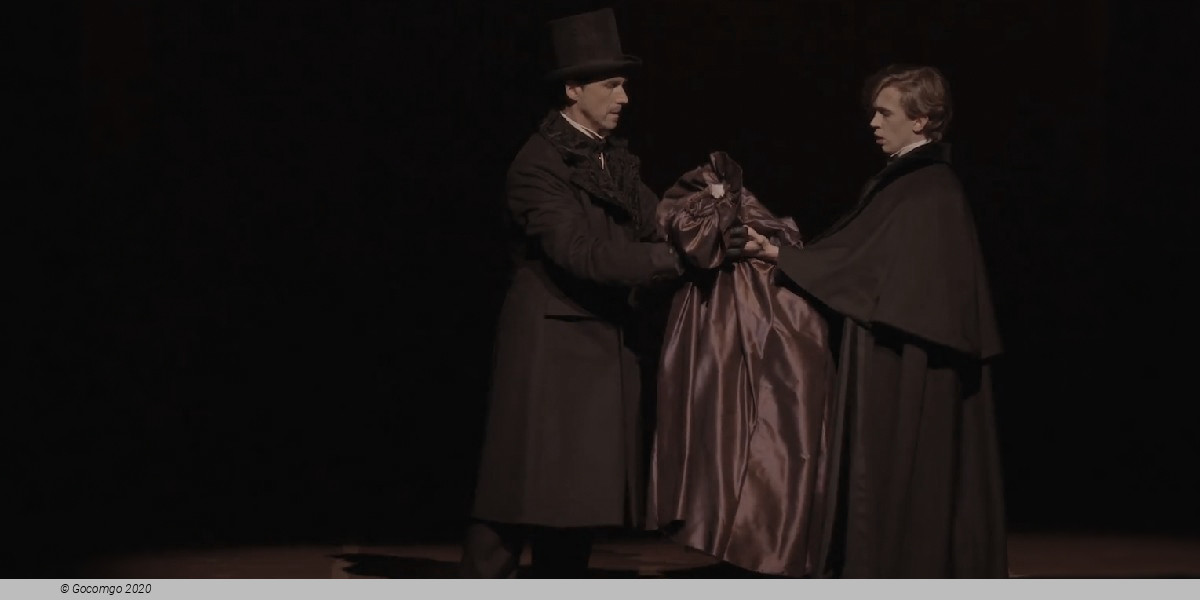
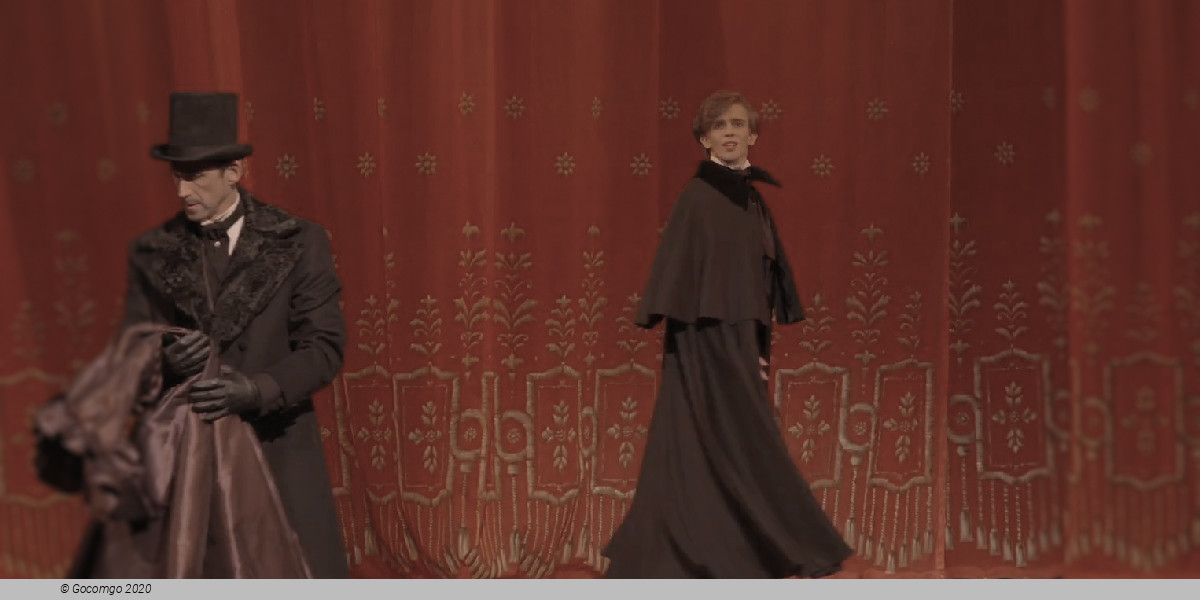
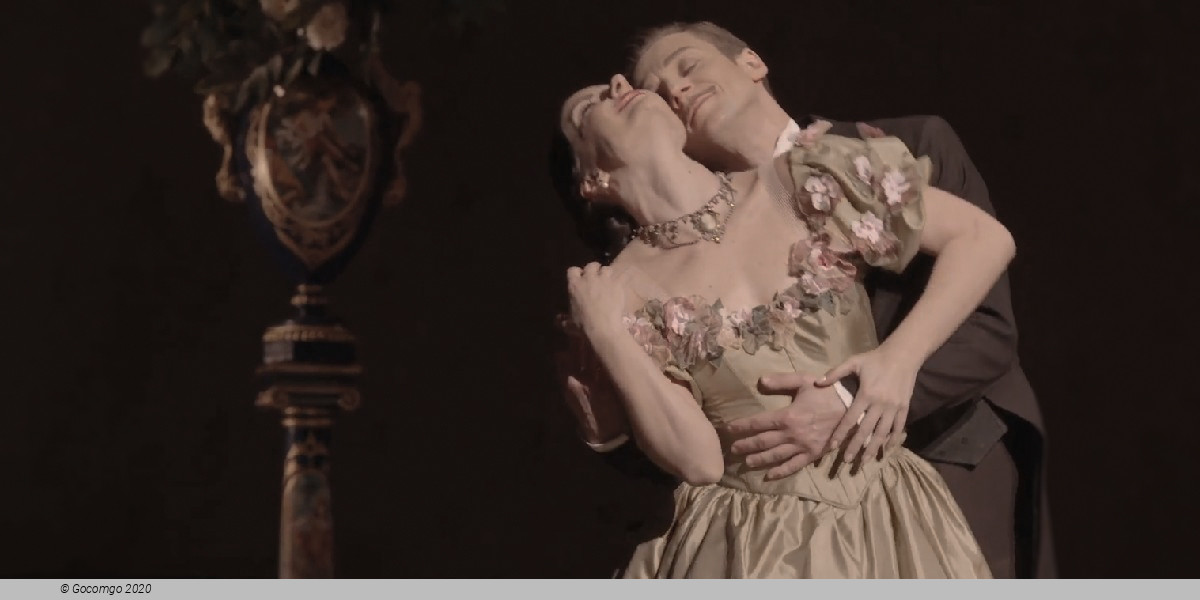
She burns to live, attracted by the brilliance of diamonds as well as that of the balls where golden Parisian youth whirls. What is the name of this woman? Marguerite Gautier, the courtesan described by Alexandre Dumas Jr. in La Dame aux Camélias? Or Abbé Prévost’s Manon Lescaut? For choreographer John Neumeier, these two heroines are so similar that he intertwines their destinies by introducing a ballet on Manon in his Dame aux Camélias. With this link, he adds a level of interpretation that deepens the psychology of the lovers Marguerite and Armand. While Chopin's music intimately marries memories, dreams and reality, the richness of colours, costumes and ribbons responds to the flood of emotions overwhelming the characters. Emotions shared by the public, conquered by the virtuosity and romanticism of this ballet which entered the repertoire of the Paris national Opera in 2006.

The ballet The Lady of the Camellias was first performed in 1978 in Stuttgart, then choreographer John Neumeier made a second edition for his own troupe in Hamburg. The ballet is based on the story of Marguerite Gaultier, whose prototype was the famous Parisian courtesan Marie Duplessis, at one time the beloved of the writer Dumas-son, whose novel The Lady of the Camellias became a source of inspiration for many theatrical figures. Soon after its creation, this story interested Verdi - this is how the most popular opera La Traviata appeared. Later, the selfless harlot got into ballet - a lover of psychological plot productions, Neumeier was not the first to make Margarita and her lover Armand Duval dance.

John Neumeier's ballet The Lady of the Camellias based on the novel of the same name by Alexander Dumas, the son, is dedicated to Marcia. Before John took over as director of the Hamburg Ballet in 1973, he danced and staged his ballets in Stuttgart side by side with the troupe's prima ballerina Marcia Heide. This unique ballerina (her real name is Marcia Salaverri Pereira da Silva) was born in 1939 in Brazil, studied dance in Rio de Janeiro, then in London with Tatyana Leskova and in Paris with Lyubov Egorova and Olga Preobrazhenskaya.

History
Premiere of this production: 02 February 1852, Théâtre du Vaudeville, Paris, France

La Dame aux Camélias (The Lady with the Camellias) is a novel by Alexandre Dumas fils, first published in 1848 and subsequently adapted by Dumas for the stage.

Venue Info

Opera de Monte-Carlo - Monaco
Location   Place du Casino

The Opéra de Monte-Carlo is an opera house, which is part of the Monte Carlo Casino located in the Principality of Monaco. With the lack of cultural diversions available in Monaco in the 1870s, Prince Charles III, along with the Société des Bains de mer, decided to include a concert hall as part of the casino. The main public entrance to the hall was from the casino, while Charles III's private entrance was on the western side. It opened in 1879 and became known as the Salle Garnier, after the architect Charles Garnier, who designed it During the renovation of the Salle Garnier in 2004–05, the company presented operas at the Salle des Princes in the local Grimaldi Forum, a modern conference and performance facility where Les Ballets de Monte Carlo and the Monte-Carlo Philharmonic Orchestra regularly perform.

Salle Garnier

The architect Charles Garnier also designed the Paris opera house now known as the Palais Garnier. The Salle Garnier is much smaller, seating 524, compared to about 2,000 for the Palais Garnier, and unlike the Paris theatre, which was started in 1861 and only completed in 1875, the Salle Garnier was constructed in only eight and a half months. Nevertheless, its ornate style was heavily influenced by that of the Palais Garnier, and many of the same artists worked on both theatres. Although the Monte Carlo theatre was not originally intended for opera, it was soon used frequently for that purpose and was remodeled in 1898–99 by Henri Schmit, primarily in the stage area, to make it more suitable for opera.

The hall was inaugurated on 25 January 1879 with a performance by Sarah Bernhardt dressed as a nymph. The first opera performed there was Robert Planquette's Le Chevalier Gaston on 8 February 1879, followed by three additional operas in the first season.

With the influence of the first director, Jules Cohen (who was instrumental in bringing Adelina Patti) and the fortunate combination of Raoul Gunsbourg, the new director from 1892, and Princess Alice, the opera-loving American wife of Charles III's successor, Albert I, the company was thrust onto the world's opera community stage. Gunsbourg remained for sixty years, overseeing such premiere productions as Hector Berlioz's La damnation de Faust in 1893, and the first appearances in January 1894 of the heroic Italian tenor Francesco Tamagno in Verdi's Otello, whose title role he had created for the opera's premiere in Italy. Conductor Arturo Vigna served as music director of the Monte Carlo Opera from 1895-1903.

By the early years of the twentieth century, the Salle Garnier was to see such great performers as Nellie Melba and Enrico Caruso in La bohème and Rigoletto (in 1902), and Feodor Chaliapin in the premiere of Jules Massenet's Don Quichotte (1910). This production formed part of a long association between the company and Massenet and his operas, two of which were presented there posthumously.

Other famous twentieth-century singers to appear at Monte Carlo included Titta Ruffo, Geraldine Farrar, Mary Garden, Tito Schipa, Beniamino Gigli, Claudia Muzio, Georges Thill, Lily Pons, and Mary McCormic.

Apart from Massenet, composers whose works had their first performances at Monte Carlo included: Saint-Saëns (Hélène, 1904); Mascagni (Amica, 1905); and Puccini (La rondine, 1917). Indeed, since its inauguration, the theatre has hosted 45 world premiere productions of operas. René Blum was retained to found the Ballet de l'Opéra. The "Golden Age" of the Salle Garnier has passed, since small companies with small houses are not able to mount highly expensive productions. Nonetheless, the present day company still presents a season containing five or six operas.

Gala Events in Salle Garnier

Twice in its 130-year history the Opéra was transformed into a spectacular venue to host gala-dinners. The first occasion was in 1966 for the celebration of centenary of Monte-Carlo hosted by Grace Kelly and Rainier III; the second was for the royal wedding of Prince Albert II and Princess Charlene. The Opéra was transformed for the third time on 27 July 2013 to host the Love Ball, a fundraising gala event organised by the Naked Heart Foundation.

Important Info
Type: Ballet
City: Monaco, Monaco
Starts at: 19:30
Intervals: 2
Duration: 2h 50min
Top of page