
Bolshoi Theatre tickets 3 April 2026 - The Fiery Angel. Mariinsky Theatre presents | GoComGo.com

The Fiery Angel. Mariinsky Theatre presents

Bolshoi Theatre, Historic Stage, Moscow, Russia
All photos (7)
Select date and time
8 PM
Request for Tickets
Important Info
Type: Opera
City: Moscow, Russia
Starts at: 20:00
Acts: 5
Intervals: 1
Duration: 2h 35min
Sung in: Russian
Titles in: Russian,English

E-tickets: Print at home or at the box office of the event if so specified. You will find more information in your booking confirmation email.

You can only select the category, and not the exact seats.
If you order 2 or 3 tickets: your seats will be next to each other.
If you order 4 or more tickets: your seats will be next to each other, or, if this is not possible, we will provide a combination of groups of seats (at least in pairs, for example 2+2 or 2+3).

Cast
Performers
Orchestra: Mariinsky Orchestra
Chorus: Mariinsky Chorus
Creators
Composer: Sergei Prokofiev
Music Director: Valery Gergiev
Stage Director: David Freeman
Librettist: Sergei Prokofiev
Writer: Valery Bryusov
Director: Yuri Laptev
Overview

If one were to read the libretto of The Fiery Angel "in isolation", then one would be left facing a peculiar story about life in the Middle Ages, a story with no beginning and no end: there is a woman who has visions of demons, she involves a knight who has fallen in love with her in her misadventures, but she is burnt at the stake as a witch and the fate of the knight is unresolved. Of course, there is no opera that can be simplified to just the text of its libretto – an opera must be listened to – but even the music of The Fiery Angel is something of a paradox.

The opera's characters are in a constant state of tension trying to understand whether or not demons actually exist and how they should be dealt with, at the same time not surrendering themselves to the omnipresent inquisition, not destroying themselves and those they love – and are the latter, in fact, deserving of that love? This tension constantly breaks out in the music: it could not be said that Prokofiev's musical language is radical, although The Fiery Angel remains one of the most demanding operas of the 20th century, for both the performers and the audience.

On the other hand, however powerful the spirits of Hell may be concerning the actions of the protagonists, with Prokofiev the evil remains unreal and carnival-like: the music walks a constant tightrope between drama and farce, between "true opera" in the spirit of late romanticism and a merry parody of the latter. Take, for example, the final scene where the nuns almost rip the Inquisitor to pieces, calling him the Devil and demanding he show his tail, while other sisters sing "La-la-la". It is true that it is not easy to listen to all of this: Prokofiev split the chorus into six sections, and it would be hard to imagine such an impressive Bacchanalia in another opera. The Fiery Angel is also one of the most striking operas of the last century.

The scene of the mysterious knocking, the speaking skeletons and Mephistopheles who unexpectedly sings in a tenor voice – all of these are old operatic props, merely highlighted by the use of the unprecedented musical colours. The irony of the distanced observer and the lack of a moral in the finale – this creates an anti-romantic stance. Possessed by her visions, Renata must ascend the bonfire, and tragedy almost occurs, but suddenly everything stops (Prokofiev rejected the dénouement in the literary source, Valery Bryusov's novel) and one can hear fanfares with the final chord in dazzling major key.

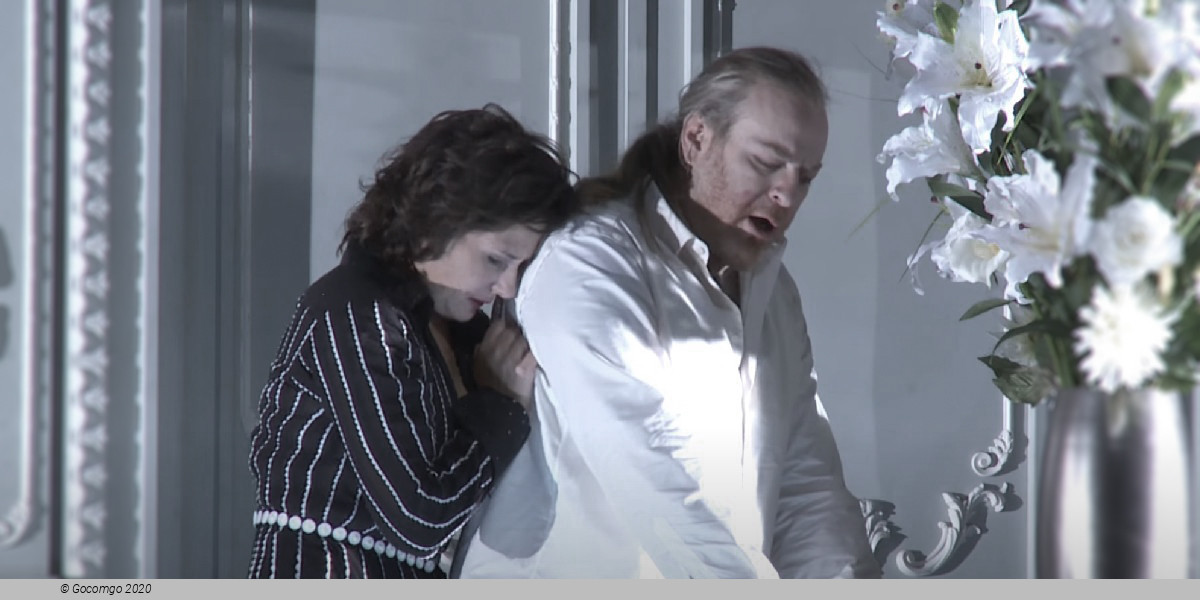
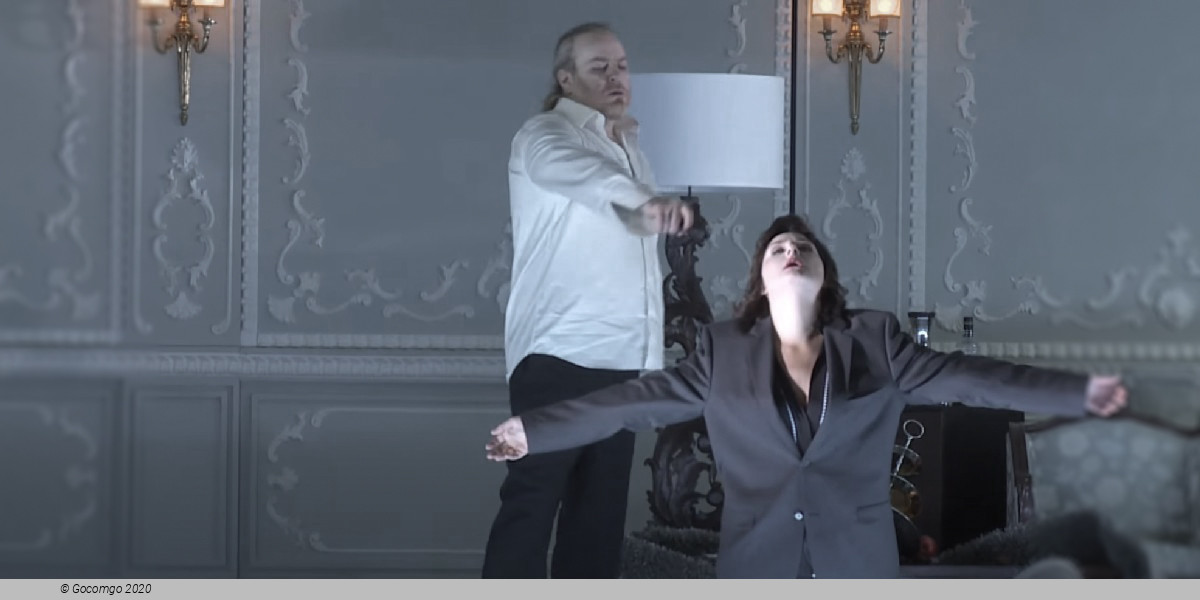
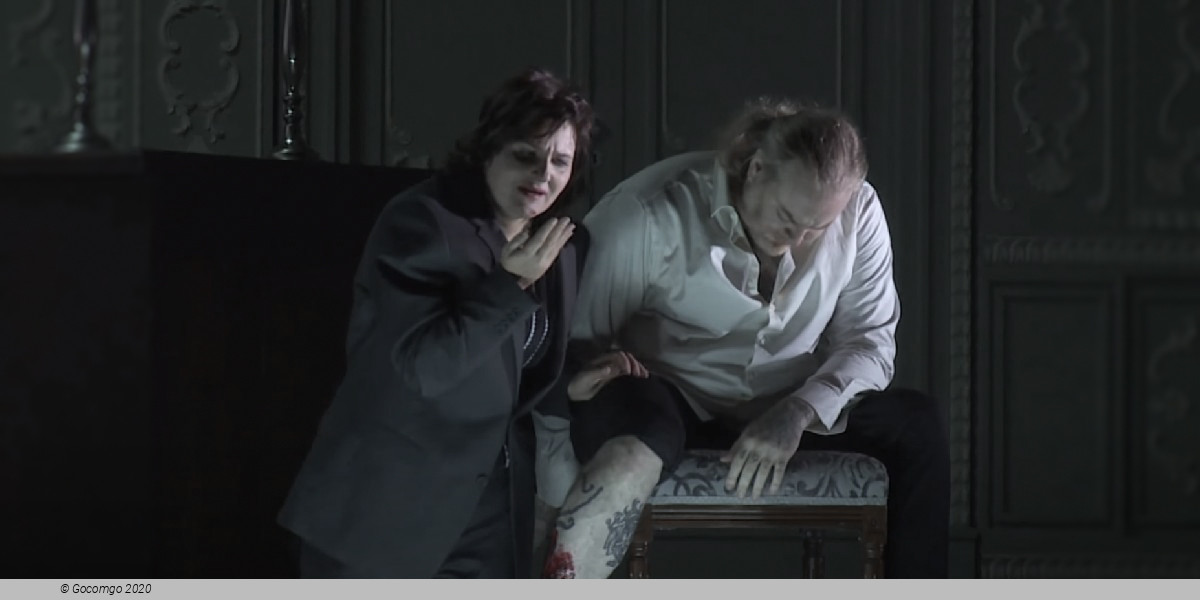
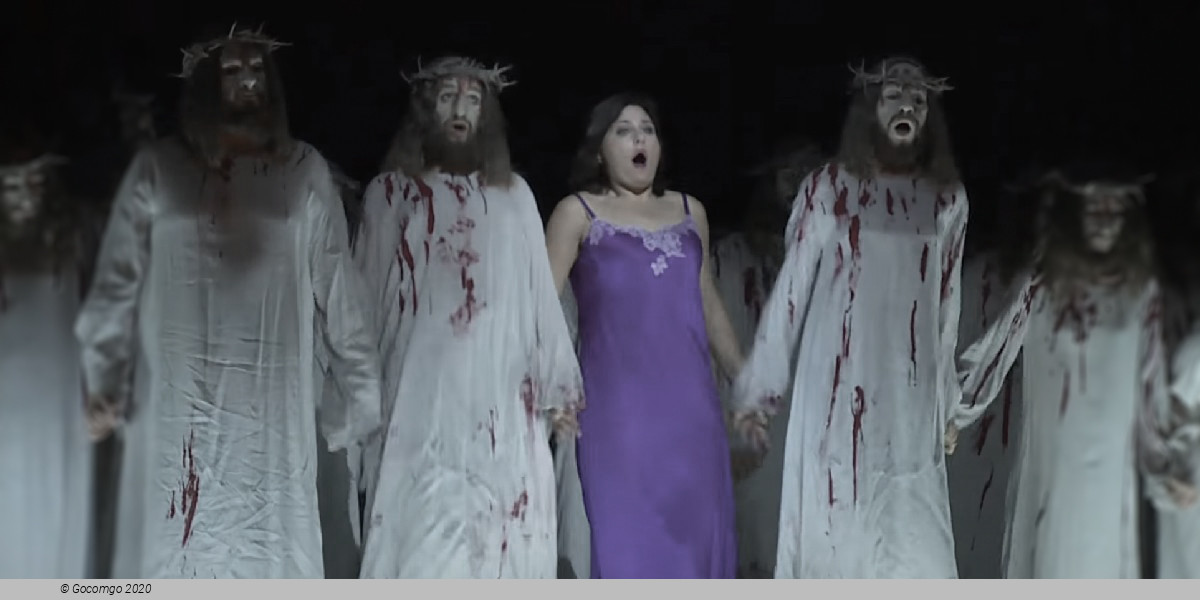
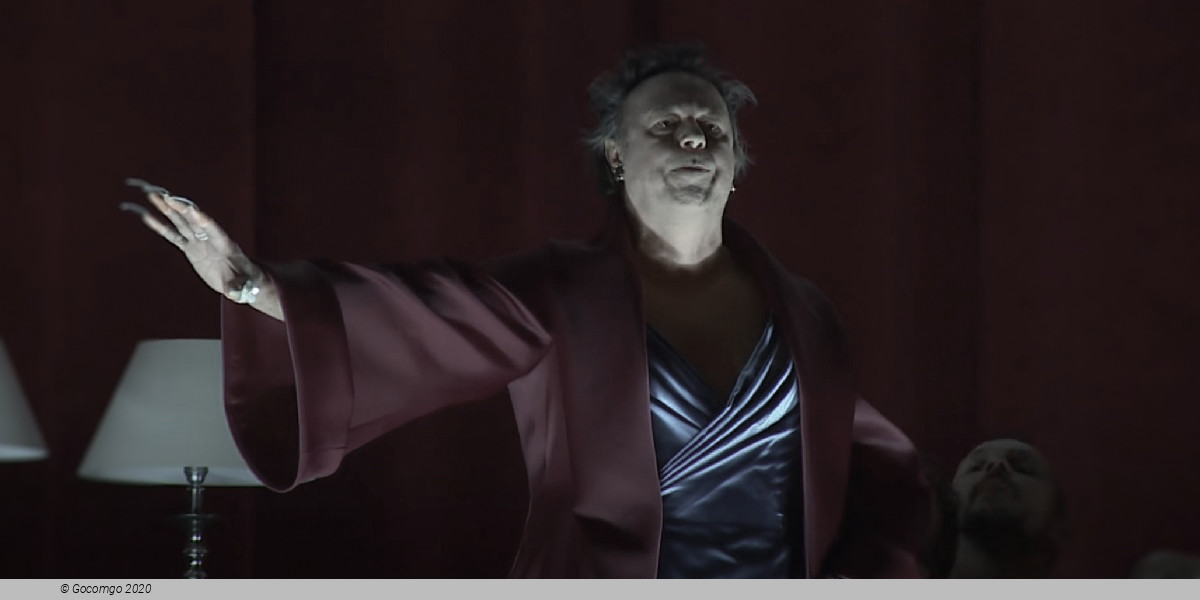
To this day, The Fiery Angel has lost none of its power – in some episodes it is hard to believe that this opera was written almost a century ago – and the issues Prokofiev raises about faith and lack of faith remain as current as they have ever been. And the production, staged by Valery Gergiev and director David Freeman, having created an international sensation in 1991, remains the finest interpretation of this opera. Freeman took radical decisions – he staged everything in line with the composer's comments and remarks. And he also added a certain detail: he constrained the real characters within the centre of the stage, and he transformed the hosts of the stage into a pack of voiceless white beings. A great privilege in a materialistic age: now these little demons can haunt us, too. 

Bogdan Korolyok

Co-production with Covent Garden

History
Premiere of this production: 25 November 1955, Théâtre des Champs-Élysées, Paris

Sergei Prokofiev's opera, The Fiery Angel , could be considered one of the composer’s largest challenges. Writing, production, and location were all factors in the piece’s progress. The journey to completion was not truly over until after Prokofiev’s time, when the piece was first presented in a full performance at the Théâtre des Champs-Élysées on 25 November 1954, and was first premiered at the Venice Festival in 1955.

Synopsis

Originally the opera was in three acts and eleven scenes, but was eventually reorganized into five acts and seven scenes.

Act 1
Renata, a young woman searching for a missing love, resides at an inn. Ruprecht, a knight errant, meets Renata at the inn. She tells him that, since her childhood, she has been in love with an angel. This angel, Madiel, encouraged her to do good deeds, and at the age of seventeen she finally asked for his physical love. The angel, in response, glowed in fury, but agreed to return in human form. After Madiel’s promise, Renata had met Count Heinrich von Otterheim. Convinced that this was her angel returned to Earth, Renata immediately gave herself to him. One year later, Otterheim left. In denial, Renata begs Ruprecht to help her search for Otterheim.

Act 2
As the two search for Otterheim, Ruprecht soon falls in love with Renata, although she does not share the feeling. They decide to resort to sorcery to find Otterheim, and a spell is cast. Three knocks are then heard at the door. Renata assumes the spell has worked and nearly goes insane at the thought of Otterheim returning. But nobody is there. Ruprecht and Renata seek out the powerful sorcerer Agrippa von Nettesheim. Once in his lair, they are met with his refusal to help; his concerns lie with the power of the Inquisition.

Act 3
Ruprecht learns that Renata has finally found Count Heinrich von Otterheim, who has rejected her. She begs to be avenged, learning that he was never her angel. Ruprecht attempts to exact revenge for Renata by dueling with Otterheim. The duel is one-sided, as Otterheim easily overcomes Ruprecht and injures him.

Act 4
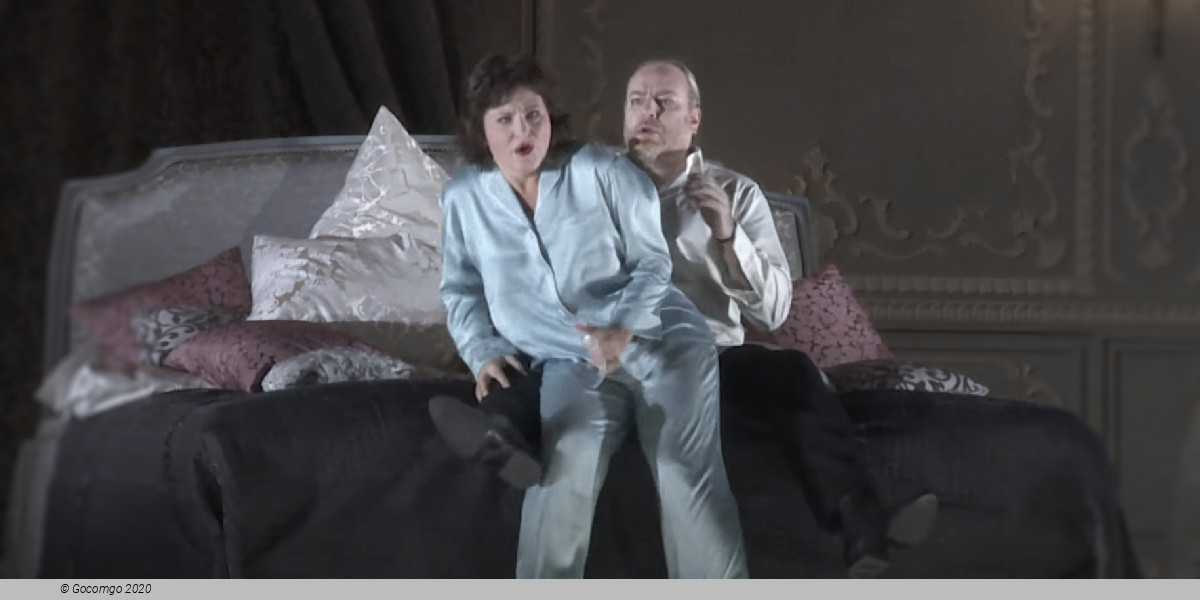
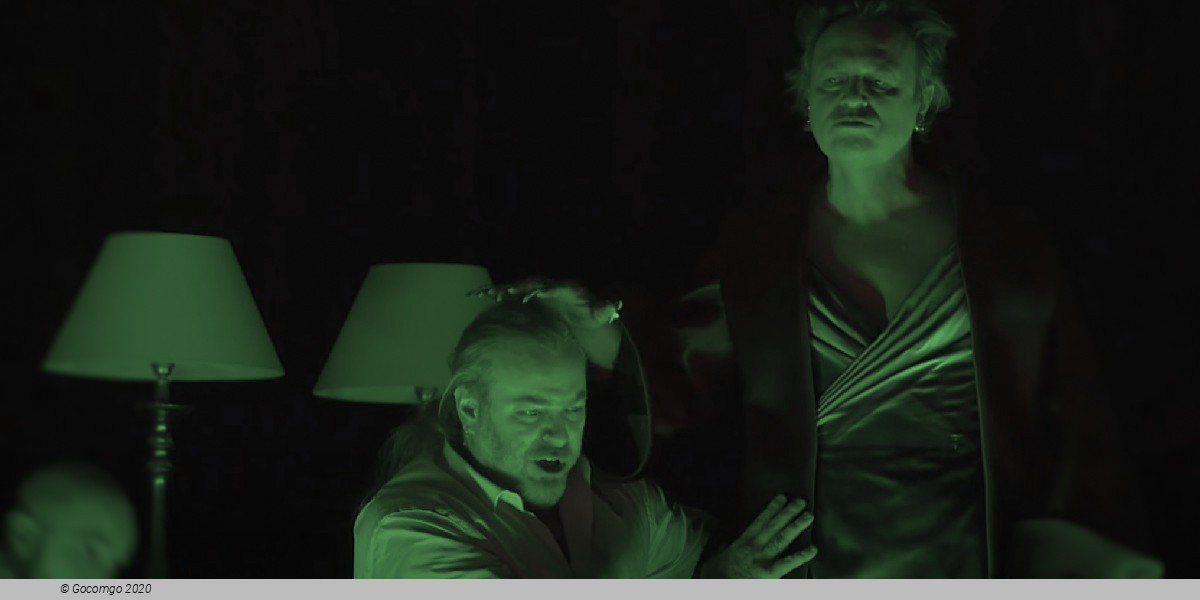
Ruprecht and Renata have moved in together, but Renata now insists on joining a convent to better herself and for her soul’s sake. There is a comic relief, involving Faust and Mephistopheles at a tavern. (This tavern scene, used to break up the dark sarcastic nature of the opera, is sometimes left out.)

Act 5
Renata is in the convent, where the leaders accuse her of demonic possession. As an attempt to heal Renata ensues, all Hell essentially breaks loose (both on stage and in the orchestra) as the other nuns are also possessed. She is condemned by the Inquisitor to be burned at the stake.

Venue Info

Bolshoi Theatre - Moscow
Location   Teatralnaya Square 1

The Bolshoi Theatre is one of the world’s most iconic cultural landmarks, renowned for its grandeur, history, and artistic excellence. Located in the heart of Moscow, this legendary theatre has been home to unforgettable performances of opera and ballet for over two centuries. Its majestic architecture, world-class acoustics, and rich tradition make every event at the Bolshoi a truly unforgettable experience.

On 28 March (17 according to the old style) 1776, Catherine II granted the prosecutor, Prince Pyotr Urusov, the "privilege" of "maintaining" theatre performances of all kinds, including masquerades, balls and other forms of entertainment, for a period of ten years. And it is from this date that Moscow’s Bolshoi Theatre traces its history.

The Bolshoi building, which for many years now has been regarded as one of Moscow’s main sights, was opened on 20 October 1856, on Tsar Alexander II’s coronation day.

On 29 October 2002 the Bolshoi was given a New Stage and it was here it presented its performances during the years the Main Stage was undergoing massive reconstruction and refurbishment.

The reconstruction project lasted from l July 2005 to 28 October 2011. As a result of this reconstruction, many lost features of the historic building were reinstated and, at the same time, it has joined the ranks of most technically equipped theatre buildings in the world.

The Bolshoi Theatre is a symbol of Russia for all time. It was awarded this honor due to the major contribution it made to the history of the Russian performing arts. This history is on-going and today Bolshoi Theatre artists continue to contribute to it many bright pages.

The Bolshoi Ballet and Bolshoi Opera are among the oldest and best known ballet and opera companies in the world. It is by far the world's biggest ballet company, with more than 200 dancers.

Important Info
Type: Opera
City: Moscow, Russia
Starts at: 20:00
Acts: 5
Intervals: 1
Duration: 2h 35min
Sung in: Russian
Titles in: Russian,English
Top of page