
Beijing National Grand Theater (NCPA): Empresses in the Palace Tickets | Event Dates & Schedule | GoComGo.com

Empresses in the Palace Tickets

Beijing National Grand Theater (NCPA), Beijing, China
All photos (9)
1 / 9
Available Dates: 22 - 23 Aug, 2026 (2 events)
Important Info
Type: Opera
City: Beijing, China
Duration: 2h 20min with 1 interval
Acts: 2
Intervals: 1

E-tickets: Print at home or at the box office of the event if so specified. You will find more information in your booking confirmation email.

You can only select the category, and not the exact seats.
If you order 2 or 3 tickets: your seats will be next to each other.
If you order 4 or more tickets: your seats will be next to each other, or, if this is not possible, we will provide a combination of groups of seats (at least in pairs, for example 2+2 or 2+3).

Cast
Performers
Choose the date to see the peformers
Creators
Composer: Wu Zhenxia
Director: Huang Sha
Librettist: Liu Lianzi
Opera Company: Shanghai Yue Opera House
Overview

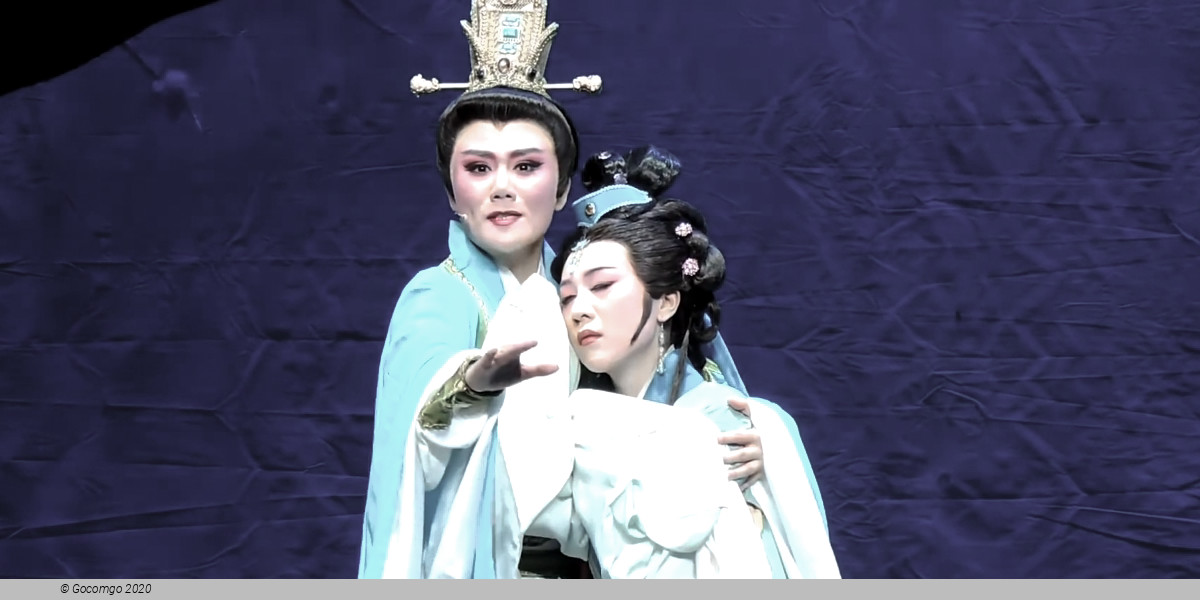
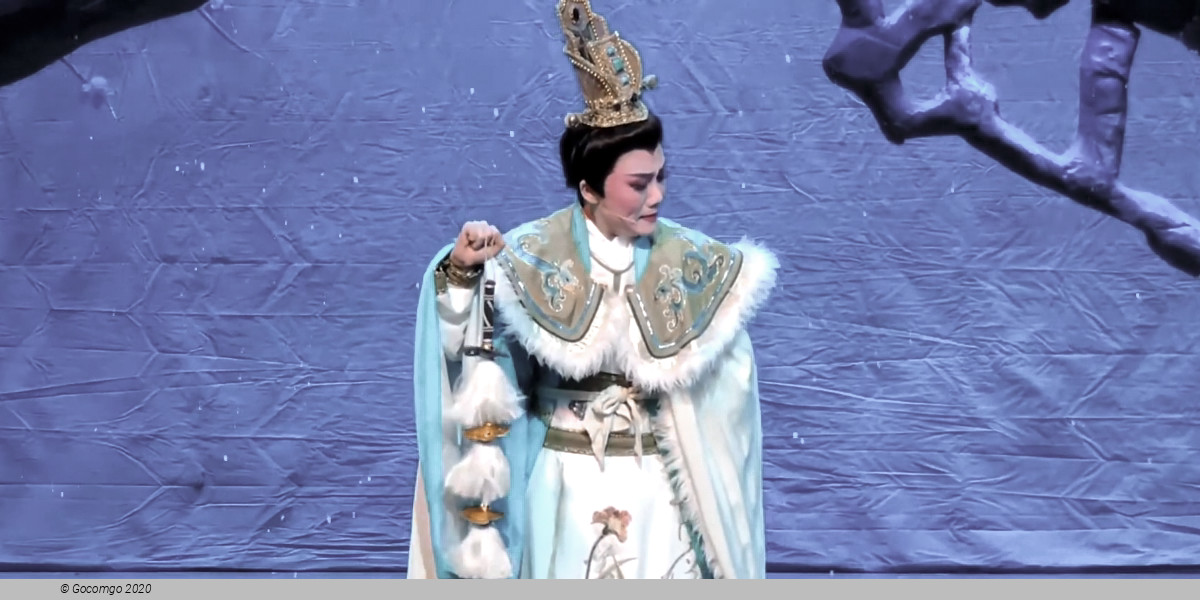
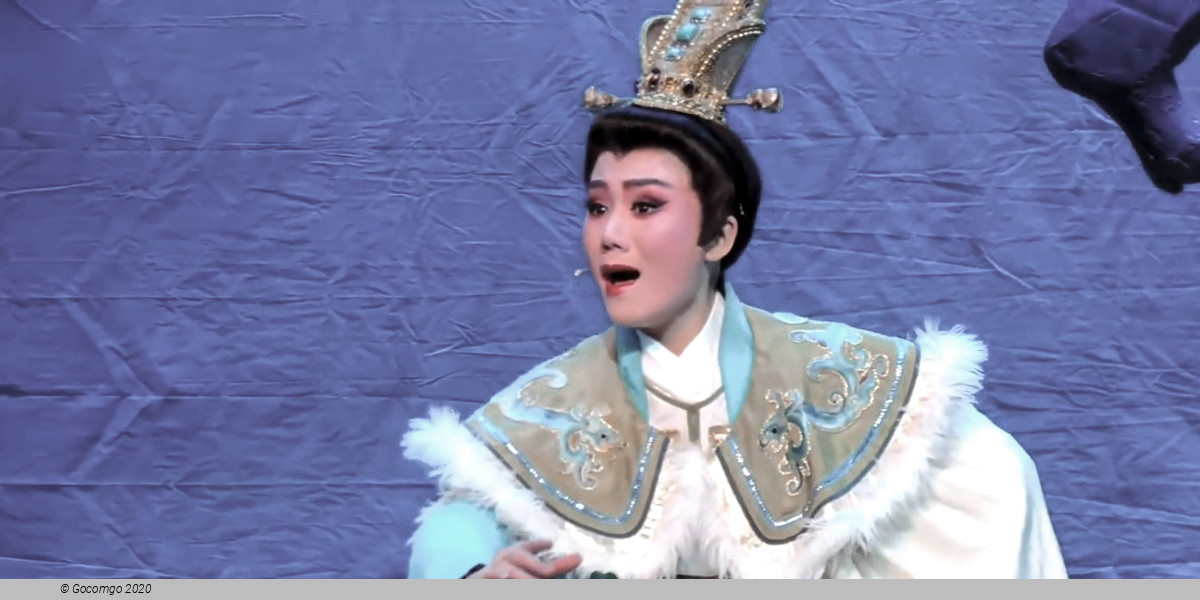
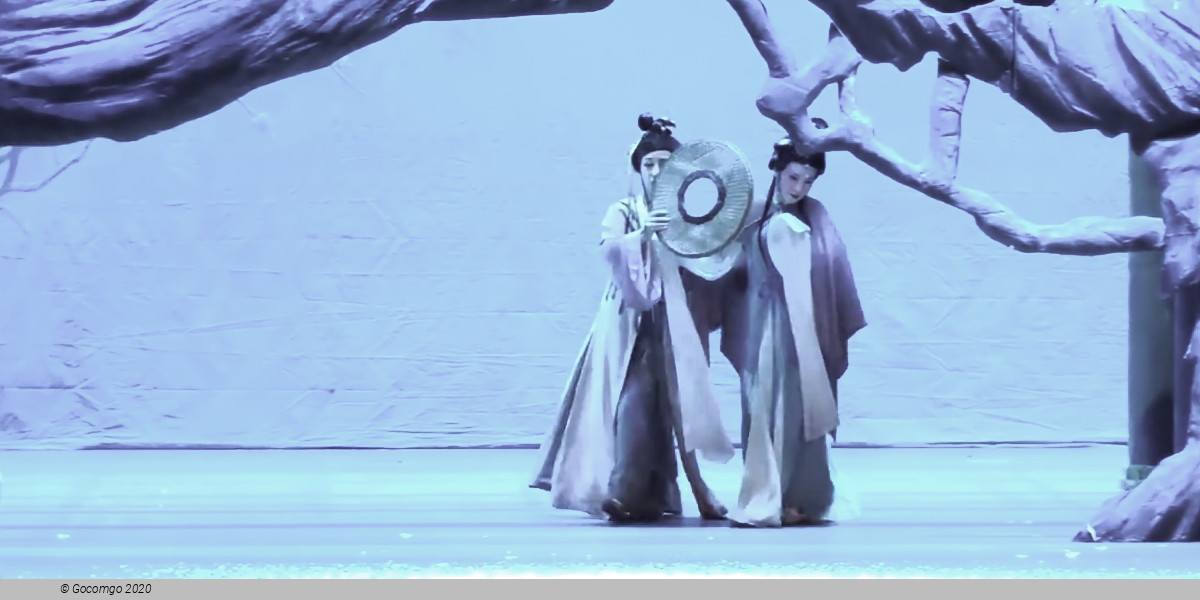
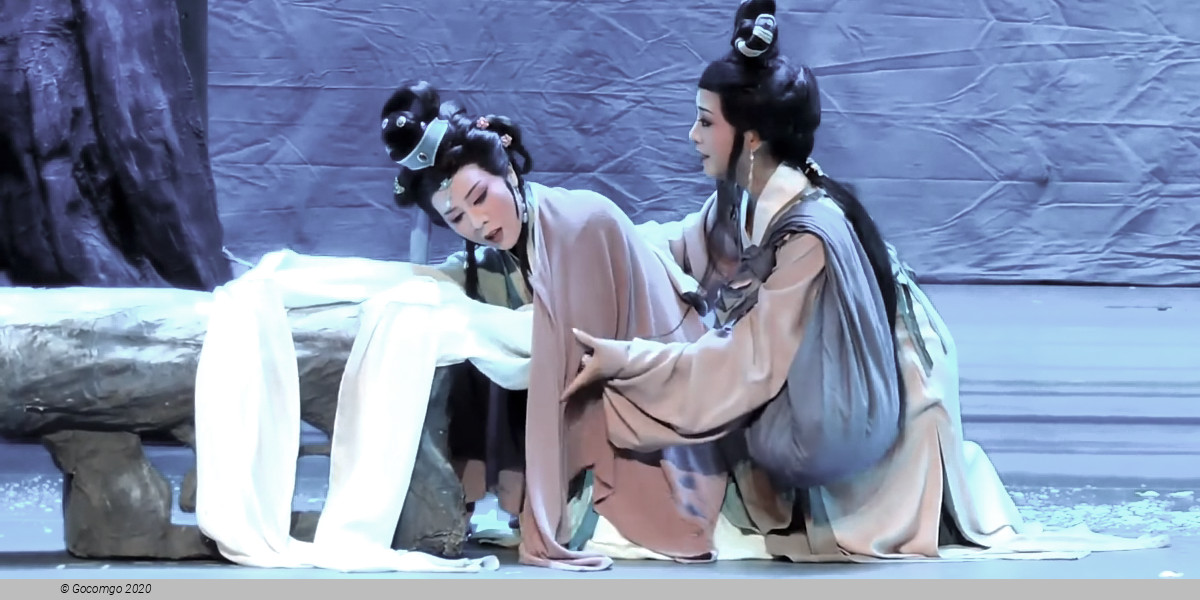
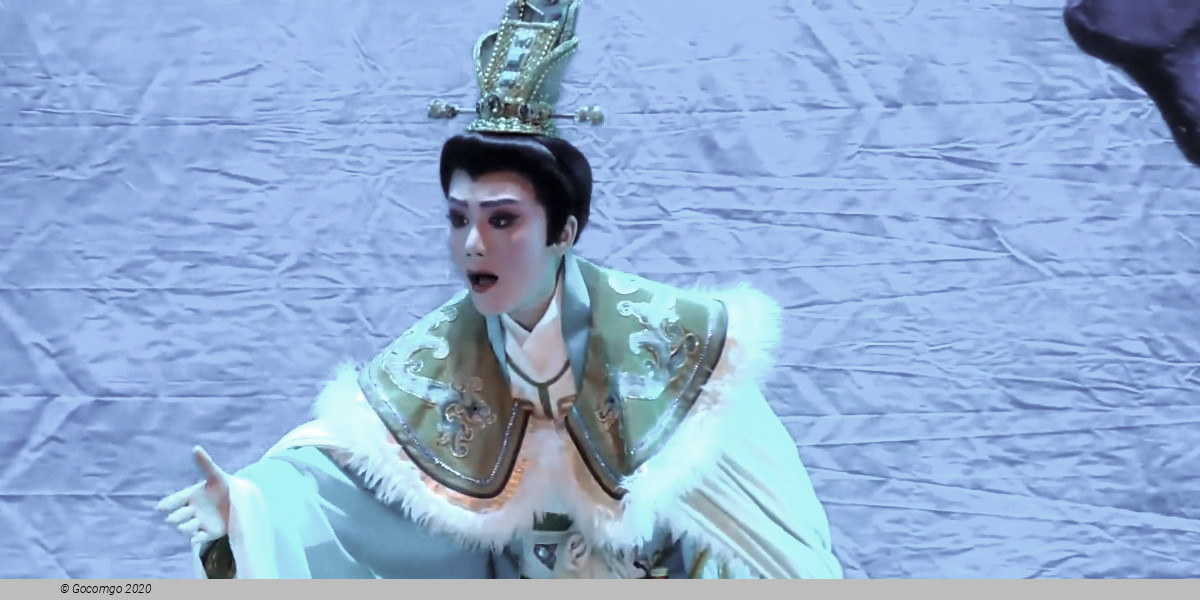
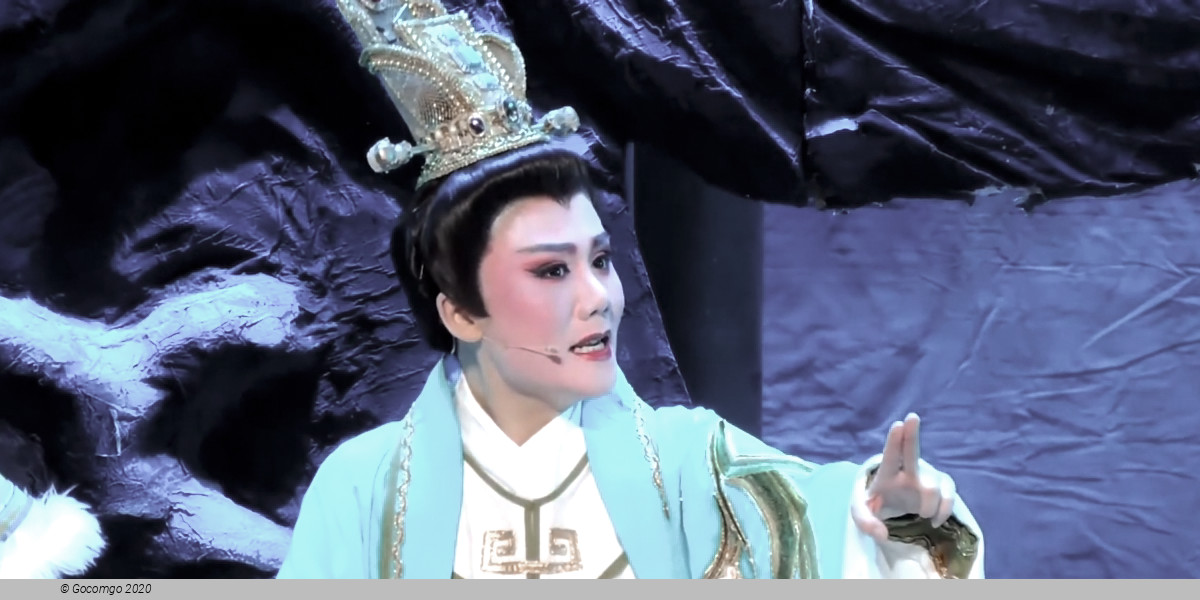
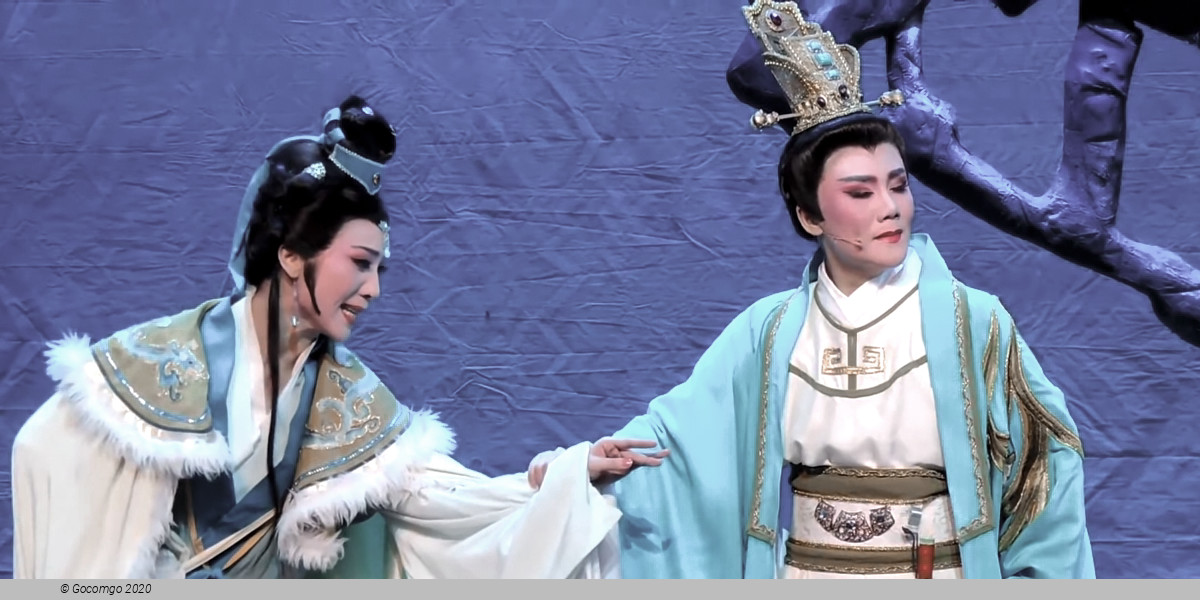
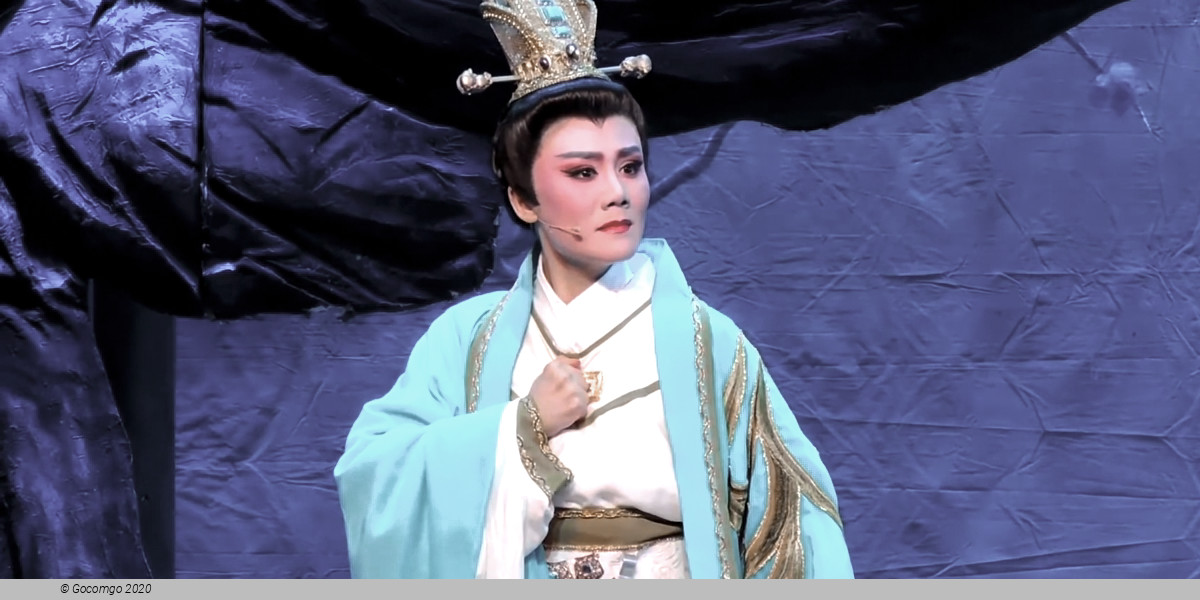
Shanghai Yue Opera House presents Empresses in the Palace I & II, an epic Yue Opera masterpiece adapted from the celebrated Chinese historical story The Legend of Zhen Huan. Combining the refined aesthetics of traditional Chinese opera with the emotional depth of a grand historical drama, this two-part production explores love, ambition, betrayal and destiny inside the imperial court of the Qing Dynasty.

Through the unique artistic language of Yue Opera — featuring elegant vocal lines, poetic storytelling, graceful movements and exquisite traditional stage aesthetics — the production portrays the extraordinary transformation of Zhen Huan, a young woman whose journey takes her from innocence and romance to power and wisdom.

Entering the imperial palace as a young consort, Zhen Huan hopes to live a quiet life away from conflict. However, she soon becomes involved in a world of rivalry and political intrigue among the emperor’s consorts. Facing betrayal, emotional struggles and difficult choices, she gradually learns the rules of survival within the palace and discovers her own strength.

Across two dramatic parts, Empresses in the Palace follows Zhen Huan’s rise through the imperial hierarchy and reveals the personal sacrifices hidden behind power and status. The production presents a profound portrait of human emotions — love and loss, loyalty and deception, compassion and ambition — while reflecting the beauty and expressive power of Chinese traditional opera.

Created by Shanghai Yue Opera House, one of China’s leading Yue Opera companies, the production represents the continuing evolution of this traditional art form, preserving its classical techniques while introducing contemporary theatrical storytelling. The work has received major recognition within China, including the Outstanding Production Award at the China Yue Opera Arts Festival.

History

Shanghai Yue Opera House presents Empresses in the Palace , a grand Yue Opera masterpiece based on the legendary story of Zhen Huan. Combining the elegance of traditional Chinese opera with a powerful historical drama, the production portrays a woman’s journey through love, rivalry, ambition and survival within the imperial court of the Qing Dynasty. With exquisite singing, graceful movement and stunning traditional aesthetics, this epic two-part production showcases the beauty and emotional depth of Yue Opera.

Synopsis

Part I

Young Zhen Huan enters the imperial palace after being selected as one of Emperor Yongzheng’s consorts. Intelligent, graceful and full of hope, she initially dreams only of a peaceful life. However, palace society is governed by strict rules, hidden rivalries and constant competition for the emperor’s favor.

As she becomes increasingly involved in court conflicts, Zhen Huan experiences betrayal and learns that sincerity alone cannot protect her in the imperial world. Her relationship with the emperor brings both happiness and suffering, while conflicts with other consorts force her to discover her own strength.

Through hardship and personal loss, Zhen Huan begins her transformation from an innocent young woman into a determined survivor of palace politics.

Part II

After experiencing betrayal and separation from the palace, Zhen Huan returns with a new identity and a deeper understanding of power. No longer the vulnerable young woman who first entered the court, she must now confront old enemies and navigate a more complicated political landscape.

As she rises in influence, Zhen Huan faces moral dilemmas between love, revenge and responsibility. Her journey reveals the cost of power and the sacrifices required to protect her family and her future.

The story reaches its emotional conclusion as Zhen Huan accepts her destiny, leaving behind the dreams of her youth and becoming one of the most influential women within the imperial court.

Venue Info

Beijing National Grand Theater (NCPA) - Beijing
Location   2 W Chang'an Ave

The National Centre for the Performing Arts (NCPA) is an arts centre containing an opera house in Beijing, People's Republic of China. The Centre, an ellipsoid dome of titanium and glass surrounded by an artificial lake, seats 5,452 people in three halls and is almost 12,000 m² in size. It was designed by French architect Paul Andreu. Construction started in December 2001 and the inaugural concert was held in December 2007.

The exterior of the theater is a titanium-accented glass dome that is completely surrounded by a man-made lake. It is said to look like an egg floating on water, or a water drop. It was designed as an iconic feature, something that would be immediately recognizable.

The dome measures 212 meters in east–west direction, 144 meters in north–south direction, and is 46 meters high. The main entrance is at the north side. Guests arrive in the building after walking through a hallway that goes underneath the lake. The titanium shell is broken by a glass curtain in north–south direction that gradually widens from top to bottom.

The location, immediately to the west of Tiananmen Square and the Great Hall of the People, and near the Forbidden City, combined with the theatre's futuristic design, created considerable controversy. Paul Andreu countered that although there is indeed value in ancient traditional Chinese architecture, Beijing must also include modern architecture, as the capital of the country and an international city of great importance. His design, with large open space, water, trees, was specially designed to complement the red walls of ancient buildings and the Great Hall of the People, in order to melt into the surroundings as opposed to standing out against them.

Internally, there are three major performance halls:

The Opera Hall is used for operas, ballet, and dances and seats 2,416 people.
The Music Hall is used for concerts and recitals and seats 2,017 people.
The Theatre Hall is used for plays and the Beijing opera. It has 1,040 seats.
The NCPA also distributes filmed and recorded performances of its concerts, plays and operas through the in-house label NCPA Classics, established in 2016.

The initial planned cost of the theatre was 2.688 billion yuan. When the construction had completed, the total cost rose to more than CNY3.2 billion. The major cause of the cost increase was a delay for reevaluation and subsequent minor changes as a precaution after a Paris airport terminal building collapsed. The cost has been a major source of controversy because many believed that it is nearly impossible to recover the investment. When the cost is averaged out, each seat is worth about half a million CNY. The Chinese government answered that the theater is not a for profit venture.

The government sanctioned study completed in 2004 by the Research Academy of Economic & Social Development of the Dongbei University of Finance and Economics, of the upkeep costs of the building were publicized in domestic Chinese media:

The water and electricity bills and the cleaning cost for the external surface would be at least tens of millions CNY, and with another maintenance cost, the total could easily exceed one billion CNY. Therefore, at least 80 percent of the annual operational costs must be subsidized by the government for at least the first three years after the opening, and for the rest of its operational life, at least 60 percent of the annual operational cost must be subsidized by the government.

The director of the art committee of the National Centre for the Performing Arts and the standing committee member of the Standing Committee of the Chinese People's Political Consultative Conference, Mr Wu Zuqiang (吴祖强) and the publicist / deputy director of the National Centre for the Performing Arts Mr Deng (邓一江) have announced that 70 percent of the tickets would be sold at low price for ordinary citizens, while 10% of the tickets would be sold at relatively expensive prices for separate market segments, and the 60% of annual operating cost needed to be subsidized by the government would be divided between the central government and the Beijing municipal government.

Important Info
Type: Opera
City: Beijing, China
Duration: 2h 20min with 1 interval
Acts: 2
Intervals: 1

E-tickets: Print at home or at the box office of the event if so specified. You will find more information in your booking confirmation email.

You can only select the category, and not the exact seats.
If you order 2 or 3 tickets: your seats will be next to each other.
If you order 4 or more tickets: your seats will be next to each other, or, if this is not possible, we will provide a combination of groups of seats (at least in pairs, for example 2+2 or 2+3).

From
$ 113
Top of page